In the realm of automation and smart technology, proximity sensors play a pivotal yet often unseen role. These devices are fundamental components that detect the presence or absence of an object within a specific range without any physical contact. Their ability to provide non-contact detection makes them invaluable across countless industries, from manufacturing and automotive to consumer electronics and security systems. This article delves into the core aspects of proximity sensors, exploring their various types, underlying working principles, and diverse real-world applications.
At its heart, a proximity sensor is an electronic sensor capable of detecting nearby objects. The term "proximity" implies closeness; these sensors are triggered when a target enters their predefined sensing field. The key advantage is the lack of mechanical contact, which eliminates wear and tear, ensures high reliability, and allows for detection of fragile, delicate, or fast-moving objects. The output is typically a simple digital signal (ON/OFF) or an analog signal proportional to the distance, which is then used to trigger an action in a control system, such as stopping a conveyor belt, counting items, or activating a safety mechanism.
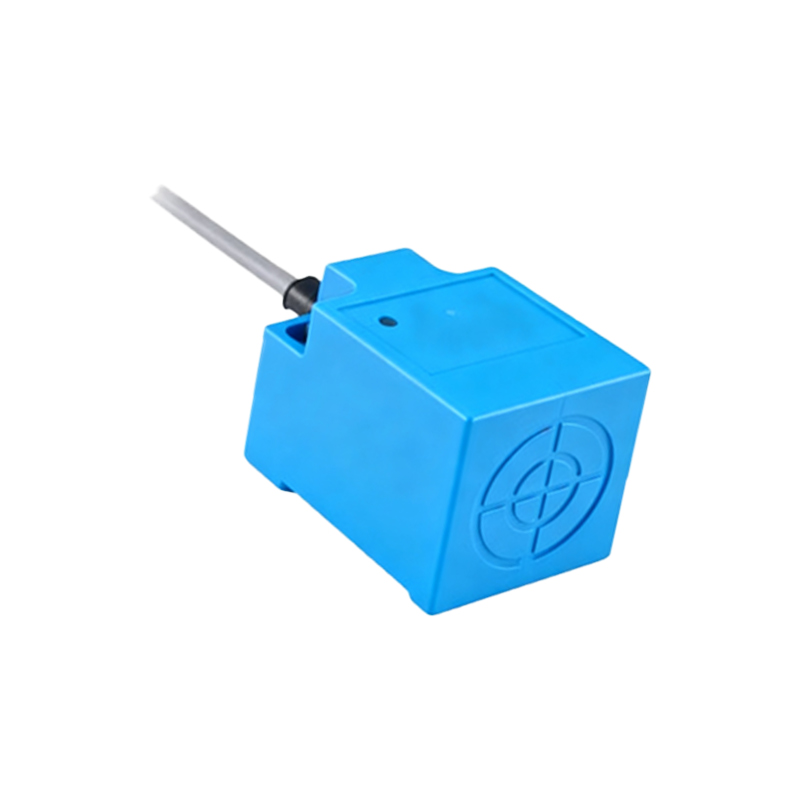
Several distinct types of proximity sensors exist, each utilizing different physical principles to achieve detection. The most common categories include:
1. Inductive Proximity Sensors: These sensors detect metallic objects, primarily ferrous metals like iron and steel. They operate by generating an electromagnetic field. When a metal object enters this field, it induces eddy currents within the object, which in turn cause a change in the sensor's own oscillation amplitude. This change is detected and converted into an output signal. Inductive sensors are robust, resistant to environmental factors like dust and moisture, and are staples in industrial automation for tasks like position sensing of metal parts or limit switching.
2. Capacitive Proximity Sensors: Unlike their inductive counterparts, capacitive sensors can detect both metallic and non-metallic objects, including liquids, plastics, glass, and wood. They work by generating an electrostatic field. Any object that enters this field alters the capacitance of the sensor's circuit. This alteration is measured, and when it exceeds a threshold, the sensor switches its output state. They are commonly used in level detection for liquids or granular materials, touch-sensitive interfaces, and material handling.
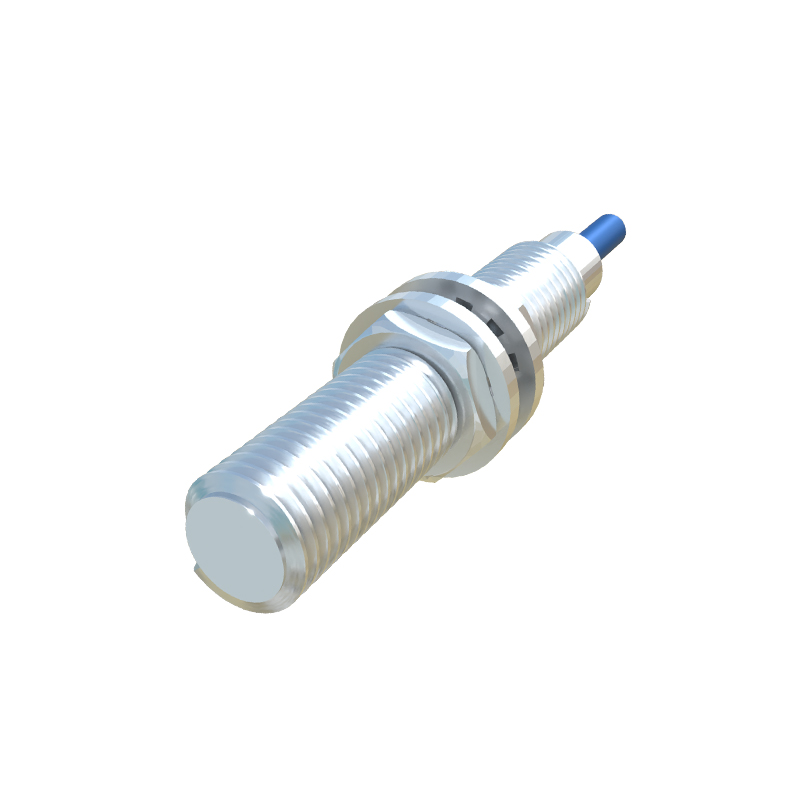
3. Ultrasonic Proximity Sensors: These sensors use sound waves beyond the human hearing range. They emit ultrasonic pulses and then measure the time it takes for the echo to return after bouncing off a target object. By calculating this time-of-flight, they can determine both the presence and the distance to the object. Ultrasonic sensors are effective for detecting objects of virtually any material, shape, or color, and are used in applications like parking assist systems, tank level monitoring, and collision avoidance.
4. Photoelectric Sensors: While often considered a separate category, many photoelectric sensors function as proximity devices. They consist of a light emitter (usually LED or laser) and a receiver. In the proximity-sensing mode, the sensor detects the presence of an object when it reflects the emitted light back to the receiver (diffuse mode). They are excellent for long-range detection and can sense small objects, making them ideal for packaging, assembly line counting, and security beams.
5. Magnetic Proximity Sensors (Reed Switches/Hall Effect): These sensors detect the presence of a permanent magnet. Reed switches use two ferromagnetic reeds sealed in a glass tube that close when a magnetic field is applied. Hall Effect sensors produce a voltage difference when exposed to a magnetic field. They are used in simple position detection, such as in door/window security sensors or speed sensing in automotive applications.
The applications of proximity sensors are vast and integral to modern life. In automotive manufacturing, inductive sensors ensure robotic arms weld at the correct points on a car chassis. On high-speed bottling lines, photoelectric sensors count and verify every container. Capacitive sensors in smartphones deactivate the touchscreen when held to the ear during a call. Ultrasonic sensors enable hands-free operation of soap dispensers and faucets in public restrooms, promoting hygiene. In heavy machinery, they serve as critical safety devices to prevent operation when a guard door is open.
Selecting the right proximity sensor depends on several factors: the material of the target object, the required sensing distance, environmental conditions (temperature, contaminants), the required output type, and installation constraints. Understanding the specific demands of the application is crucial for optimal performance and system reliability.
In conclusion, proximity sensors are the silent workhorses of the automated world. Their diverse technologies provide flexible, reliable, and non-invasive solutions for object detection. As industries continue to advance towards greater efficiency and intelligence, the evolution and application of these sensors will undoubtedly expand, embedding smarter sensing capabilities into an ever-wider array of devices and systems, from factory floors to our everyday homes.