Proximity sensors are ubiquitous in modern automation, reliably detecting the presence of metals, plastics, and other materials. But a common and crucial question arises in many industrial and DIY applications: Can proximity sensors detect wood? The answer is not a simple yes or no; it depends entirely on the type of sensor technology employed. Understanding the principles behind different proximity sensors is key to selecting the right one for wood detection.
The fundamental challenge with wood is that it is generally a non-metallic, non-conductive, and non-magnetic material. This rules out the use of the most common and cost-effective sensor type: the inductive proximity sensor. Inductive sensors generate an electromagnetic field and detect changes caused by conductive metals entering that field. Since wood does not conduct electricity, it remains invisible to an inductive sensor. Attempting to use one for wood detection will result in consistent failure.
For reliable wood detection, you must turn to capacitive proximity sensors. These sensors operate on a different principle. A capacitive sensor generates an electrostatic field. Any object that enters this field, whether conductive or not, alters the capacitance of the sensor's circuit. Since all materials, including wood, plastic, glass, and liquids, have a dielectric constant (a measure of how well they can hold an electrical charge), they can be detected by a capacitive sensor. Wood, with its organic composition and often some moisture content, has a sufficient dielectric constant to be sensed effectively.
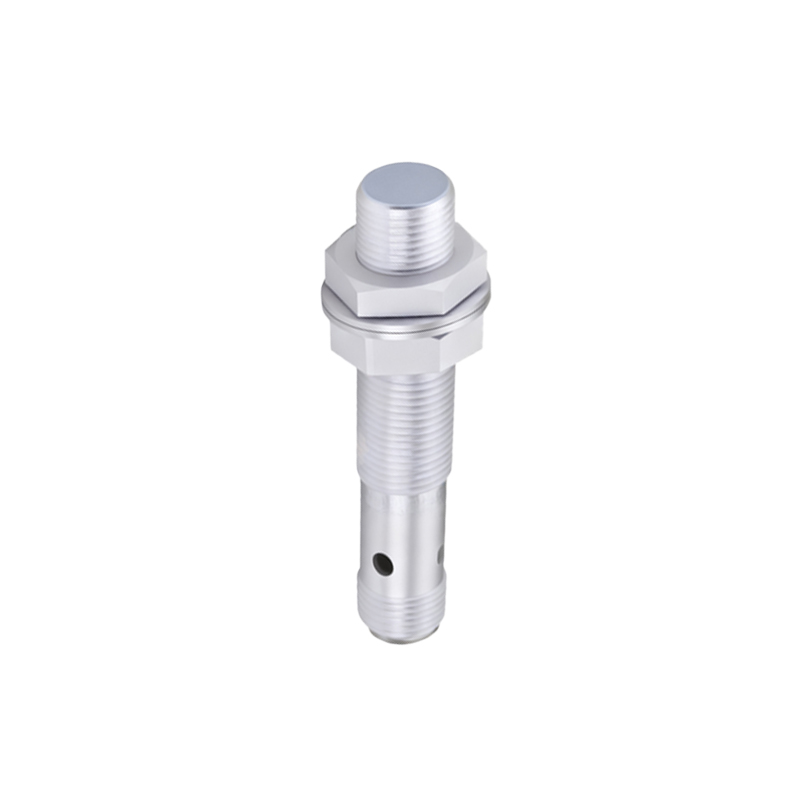
However, successful detection with a capacitive sensor requires careful consideration and adjustment. Key factors include:
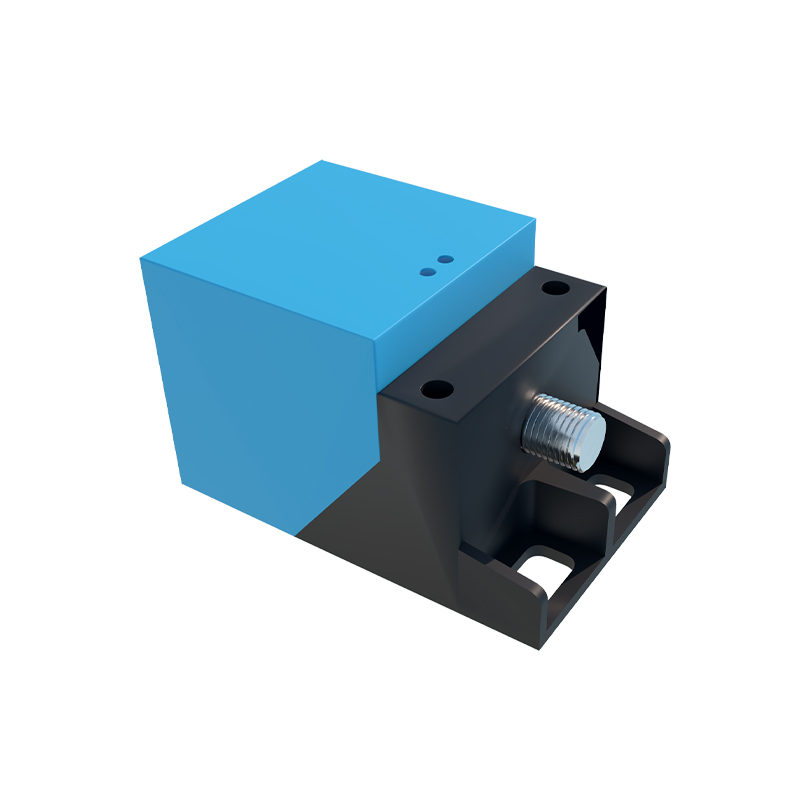
1. Sensor Adjustment: Capacitive sensors feature a sensitivity potentiometer. This must be calibrated so the sensor triggers when wood is present but ignores the background or the conveyor belt (often also non-metallic). This adjustment is critical to avoid false triggers.
2. Wood Properties: The moisture content, density, and type of wood (e.g., oak vs. pine) affect its dielectric constant. Damp or denser wood is typically easier to detect. Consistency in the material being sensed is helpful for stable operation.
3. Distance and Size: The sensor's rated sensing distance is specified for a standard target (usually steel). For wood, the effective sensing distance (Sn) will be reduced. A larger piece of wood is easier to detect than a small splinter. Always consult the sensor datasheet for derating factors for non-standard materials.
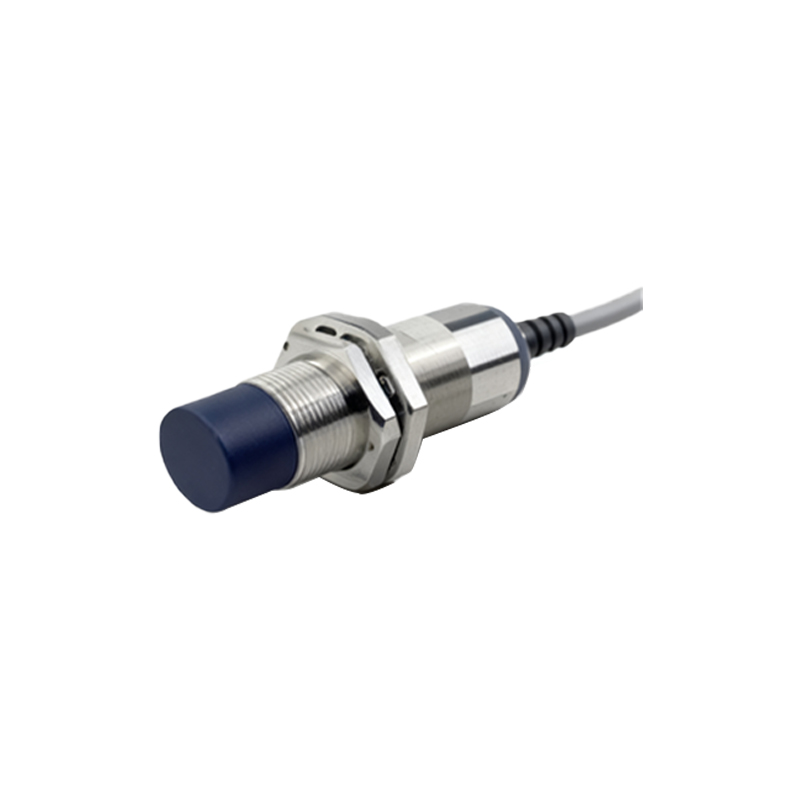
4. Environmental Factors: Since capacitive sensors react to any dielectric change, they can be influenced by ambient humidity, dust, or contaminants on the sensor face. Proper housing and environmental sealing (IP rating) should be considered.
For applications requiring very long-range detection or where the wood has extremely low moisture content, photoelectric sensors may be an alternative. Diffuse-reflective photoelectric sensors emit a light beam and detect the reflection from the target object. Wood, unless it is perfectly black and non-reflective, will reflect enough light to be detected. These sensors offer longer ranges than capacitive sensors but can be affected by the color, surface finish, and ambient light conditions of the wood.
In summary, while standard inductive sensors cannot detect wood, capacitive proximity sensors are the standard and robust solution for this task. Their ability to sense almost any material makes them versatile, though they demand proper setup. Photoelectric sensors provide a viable alternative in specific scenarios. When integrating a sensor for wood, always prototype and test with the actual material under real operating conditions to ensure reliability. This practical step will validate your sensor choice and adjustment, ensuring smooth operation in applications ranging from sawmill automation and woodworking machinery to packaging lines handling wooden crates.