In the world of automation, robotics, and smart systems, the ability to perceive distance is fundamental. This capability is provided by range sensors, a broad category of devices that measure the distance from the sensor to an object or surface. Unlike simple presence detectors, range sensors provide quantitative data, enabling machines to navigate, inspect, and interact with their environment intelligently and precisely.
At their core, range sensors operate on various physical principles, each suited to different conditions and requirements. One of the most common types is the ultrasonic sensor. These devices emit high-frequency sound waves and calculate distance by measuring the time it takes for the echo to return. They are cost-effective, work well in various lighting conditions, and can detect a wide range of materials. However, their accuracy can be affected by factors like temperature, humidity, and the object's surface texture. They are widely used in parking assist systems, liquid level measurement, and simple obstacle detection.
Another prevalent technology is the infrared (IR) proximity sensor. Typically using a beam of infrared light, these sensors measure distance based on the intensity of the reflected light or, in more advanced versions like time-of-flight (ToF) sensors, the time it takes for the light pulse to return. IR sensors are compact and common in consumer electronics for tasks like screen blanking in smartphones. However, their performance can be compromised by ambient light and the color or reflectivity of the target object.
For applications demanding high speed and precision, laser-based sensors are often the preferred choice. Laser rangefinders, including LiDAR (Light Detection and Ranging), use a focused laser beam to achieve highly accurate distance measurements over long ranges. LiDAR systems, which often use scanning mechanisms to create detailed 3D point clouds, are pivotal in autonomous vehicles, topographic surveying, and advanced robotics. While offering superior performance, they tend to be more expensive and can be sensitive to adverse weather conditions like fog or heavy rain.
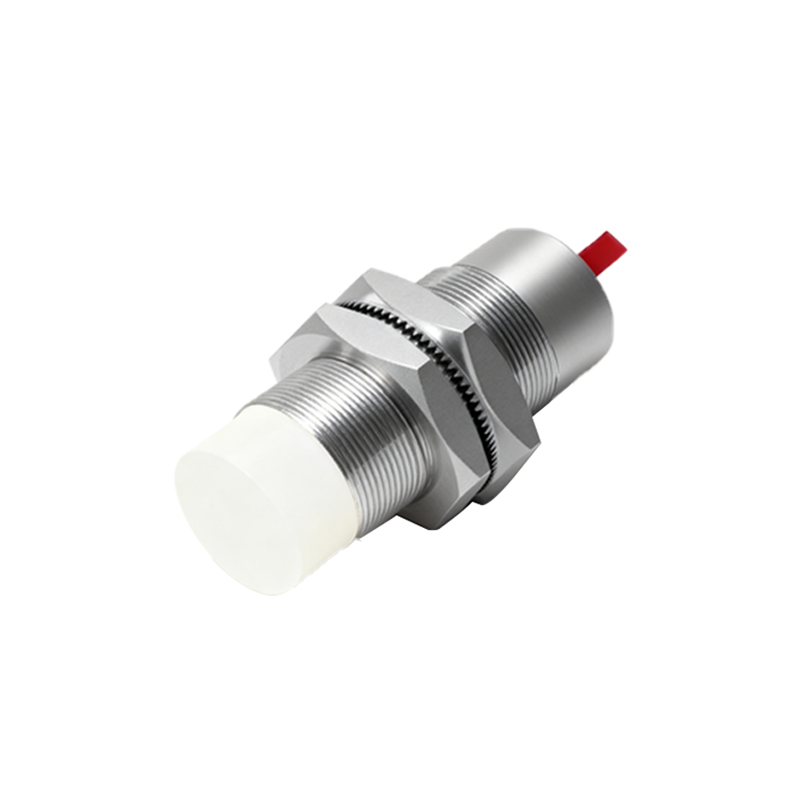
A different approach is taken by capacitive and inductive sensors, which are used for very short-range detection of specific materials. Inductive sensors detect metallic objects, while capacitive sensors can detect both metallic and non-metallic materials like plastics or liquids. Their range is limited, but they are extremely reliable for precise positioning in industrial automation.
The choice of a range sensor depends heavily on the specific application's demands. Key parameters to consider include measurement range, resolution, accuracy, response time, and environmental robustness. For instance, a robotic vacuum cleaner might use a combination of low-cost IR sensors for cliff detection and ultrasonic sensors for general obstacle avoidance. In contrast, an industrial robotic arm performing precise assembly would likely employ laser triangulation sensors for micron-level accuracy.
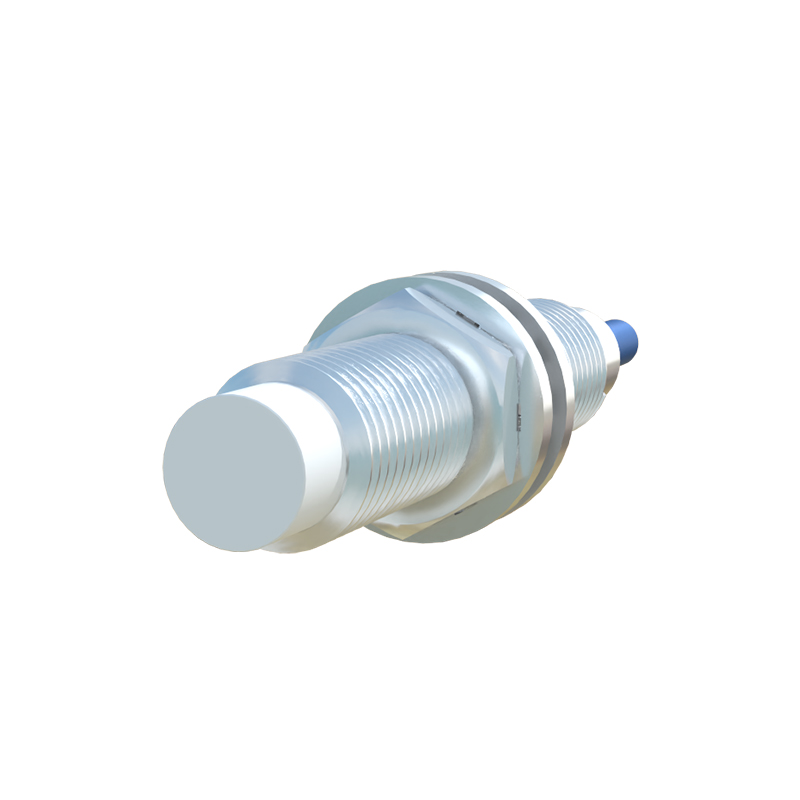
In industrial settings, range sensors are indispensable. They enable precise positioning of parts on conveyor belts, control the thickness of rolled materials in manufacturing, and ensure proper fill levels in tanks. In the burgeoning field of autonomous mobile robots (AMRs) and drones, arrays of sensors—including ultrasonic, LiDAR, and visual cameras—are fused together to create a comprehensive understanding of the surroundings for safe navigation, a process known as sensor fusion.
Looking forward, the evolution of range sensing is geared towards higher integration, lower power consumption, and smarter data processing. Solid-state LiDAR, which has no moving parts, promises to make high-resolution 3D sensing more affordable and reliable for mass-market applications. Furthermore, the integration of artificial intelligence directly at the sensor level, known as edge AI, will allow range sensors to not only collect data but also interpret it, identifying objects and making preliminary decisions faster.
In conclusion, range sensors are the enabling technology that gives machines the sense of spatial awareness. From the simple ultrasonic module in a DIY project to the sophisticated LiDAR array on a self-driving car, these devices translate physical space into actionable data. Understanding their operating principles, strengths, and limitations is crucial for engineers and designers building the next generation of intelligent systems that interact seamlessly and safely with the world.