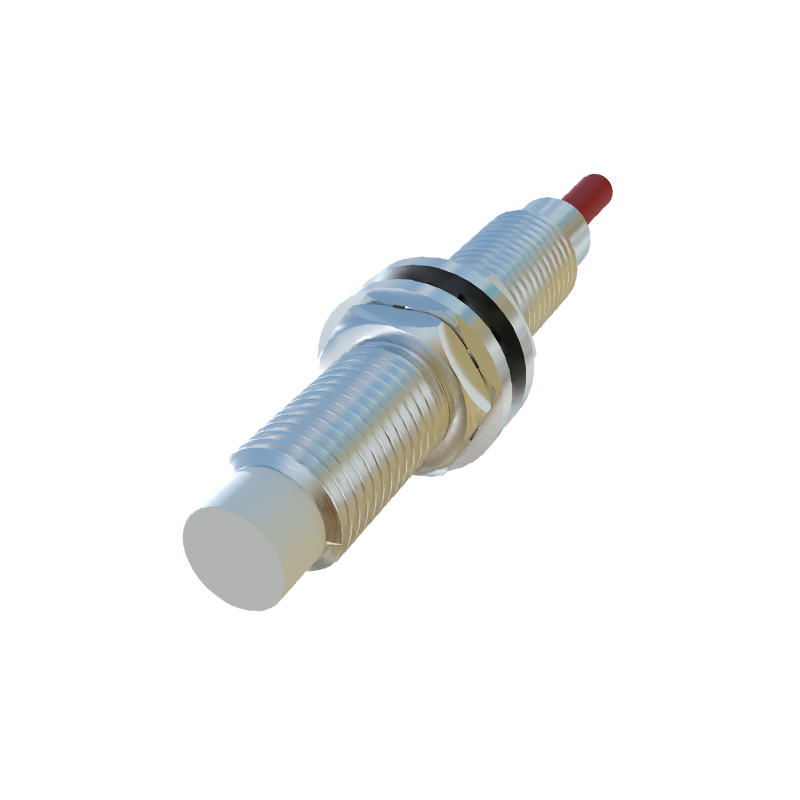
In today's fast-paced industrial and consumer electronics landscape, proximity sensors have become indispensable components. Among these, the Imma Proximity Sensor stands out as a cutting-edge solution designed to meet the demands of modern automation, safety systems, and smart devices. This guide delves into the technology behind Imma Proximity Sensors, their applications, benefits, and how they are shaping the future of detection systems.
Proximity sensors are devices that detect the presence or absence of objects within a specific range without physical contact. The Imma Proximity Sensor utilizes advanced electromagnetic or capacitive sensing principles to achieve high accuracy and reliability. Unlike traditional mechanical switches, these sensors offer non-contact operation, reducing wear and tear and ensuring longevity. The core technology involves emitting an electromagnetic field or beam and monitoring changes caused by nearby objects. When an object enters the sensor's detection zone, it alters the field, triggering a signal that can be used for various control functions.
One of the key advantages of Imma Proximity Sensors is their versatility. They are available in multiple types, including inductive, capacitive, and ultrasonic variants, each suited for different environments. Inductive sensors are ideal for detecting metallic objects in industrial settings, such as manufacturing lines or robotics. Capacitive sensors can detect both metallic and non-metallic materials, making them perfect for applications like liquid level sensing or touch interfaces in consumer electronics. Ultrasonic sensors use sound waves to detect objects, excelling in harsh conditions where dust, moisture, or temperature variations might affect other sensors.
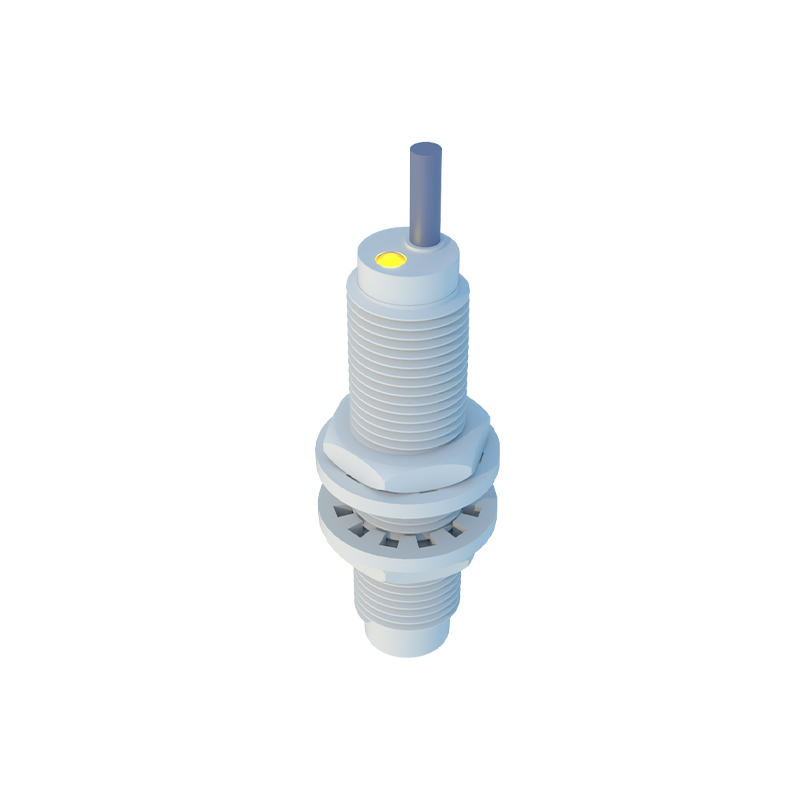
In practical applications, Imma Proximity Sensors play a crucial role across industries. In automotive manufacturing, they ensure precise positioning of components during assembly, enhancing efficiency and reducing errors. In smart homes, these sensors enable touchless controls for lights, faucets, and appliances, promoting hygiene and convenience. Additionally, they are integral to safety systems, such as automatic door sensors that prevent accidents by detecting obstructions. The healthcare sector also benefits, with sensors used in medical devices for monitoring and diagnostics.
The benefits of adopting Imma Proximity Sensors extend beyond functionality. Their non-contact nature minimizes maintenance needs, as there are no moving parts to degrade over time. This leads to lower operational costs and increased uptime for machinery. Moreover, these sensors are designed with energy efficiency in mind, consuming minimal power while delivering fast response times—often in milliseconds. This makes them suitable for battery-powered devices, such as wearables or IoT gadgets, where power conservation is critical.
When selecting an Imma Proximity Sensor, several factors should be considered to ensure optimal performance. Detection range is paramount; sensors come with varying ranges, from a few millimeters to several meters, depending on the model and technology. Environmental conditions, like temperature extremes, humidity, or exposure to chemicals, also influence choice, as some sensors are built with rugged enclosures for durability. Output types, such as digital (PNP/NPN) or analog signals, must match the control system requirements. Additionally, installation and calibration processes should be straightforward to facilitate integration into existing setups.
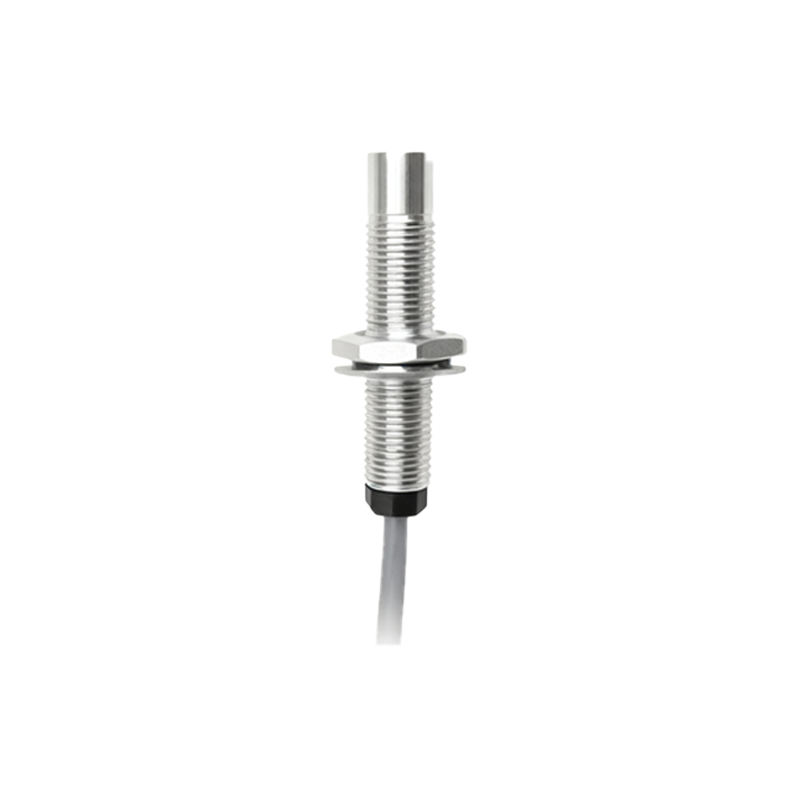
Looking ahead, the evolution of Imma Proximity Sensors is closely tied to advancements in IoT and AI. Future iterations may incorporate smart features like self-calibration, predictive maintenance alerts, or connectivity to cloud platforms for real-time data analysis. These innovations could further enhance automation in sectors like agriculture, where sensors monitor crop growth, or logistics, optimizing inventory management through object detection. As technology progresses, the demand for more compact, affordable, and high-performance sensors is expected to grow, solidifying their role in the digital transformation era.
In conclusion, Imma Proximity Sensors represent a significant leap in detection technology, offering reliability, efficiency, and adaptability. Whether in industrial automation, consumer electronics, or emerging smart applications, they provide a foundation for innovation. By understanding their principles and applications, businesses and individuals can leverage these sensors to improve processes, enhance safety, and drive technological progress. As the world moves toward greater automation, tools like the Imma Proximity Sensor will continue to be essential in bridging the gap between human interaction and machine intelligence.