In industrial automation, the integration of proximity switch sensors with cylinders is a fundamental aspect of ensuring precise and reliable motion control. These sensors play a critical role in detecting the position of a cylinder's piston, enabling seamless automation sequences, enhancing safety, and improving overall system efficiency. This guide delves into the principles, types, applications, and best practices for using proximity switch sensors with pneumatic or hydraulic cylinders.
Proximity switch sensors, often referred to as proximity sensors or position sensors, are non-contact devices that detect the presence or absence of a target object—in this case, the piston within a cylinder. They operate based on electromagnetic or magnetic principles, generating a signal when the piston reaches a specific point. For cylinders, magnetic proximity sensors are predominantly used. These sensors detect the magnetic field from a piston-integrated magnet, offering high accuracy and durability without physical contact, thus minimizing wear and tear.
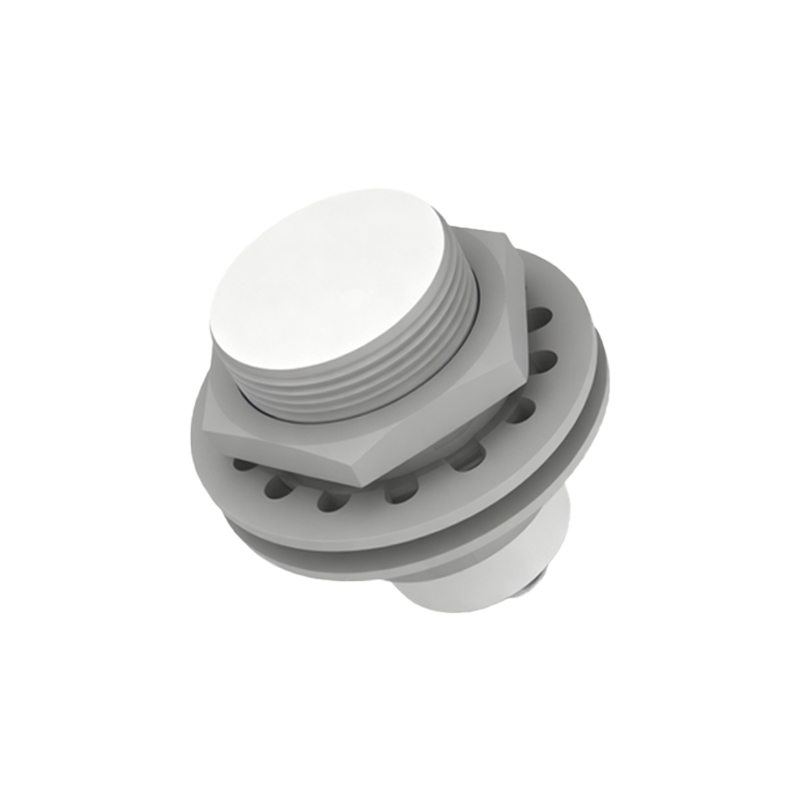
There are several types of proximity sensors compatible with cylinders, including inductive, magnetic, and capacitive variants. Magnetic proximity sensors are the most common choice for cylinder applications due to their ability to sense through non-magnetic materials like aluminum or stainless steel cylinder walls. They consist of a sensor body mounted externally on the cylinder and a magnet embedded in the piston. When the piston moves, the magnet aligns with the sensor, triggering a switch signal that indicates the piston's position—typically at fully extended or retracted states. This signal is then relayed to a programmable logic controller (PLC) or other control systems to initiate subsequent actions, such as stopping, starting, or reversing cylinder motion.
The benefits of using proximity switch sensors with cylinders are manifold. First, they enhance precision by providing real-time feedback on piston position, which is crucial for applications requiring exact movement, such as in assembly lines, packaging machines, or robotic arms. Second, they improve safety by preventing over-travel or misalignment, reducing the risk of equipment damage or operational hazards. Third, these sensors contribute to energy efficiency by optimizing cylinder cycles, thereby lowering air or hydraulic fluid consumption in pneumatic or hydraulic systems. Additionally, their non-contact nature ensures longevity, as there is no mechanical wear from repeated collisions, leading to reduced maintenance costs and downtime.

When selecting a proximity switch sensor for a cylinder, several factors must be considered. The sensor's sensing distance, or switching point, should align with the cylinder's stroke length and mounting requirements. Environmental conditions, such as temperature extremes, humidity, or exposure to chemicals, may necessitate sensors with appropriate IP (Ingress Protection) ratings. Compatibility with the cylinder material is also vital; for instance, non-ferrous cylinders require sensors designed to detect magnetic fields through such materials. Furthermore, output types—whether PNP (sourcing) or NPN (sinking)—should match the control system's input specifications to ensure seamless integration.
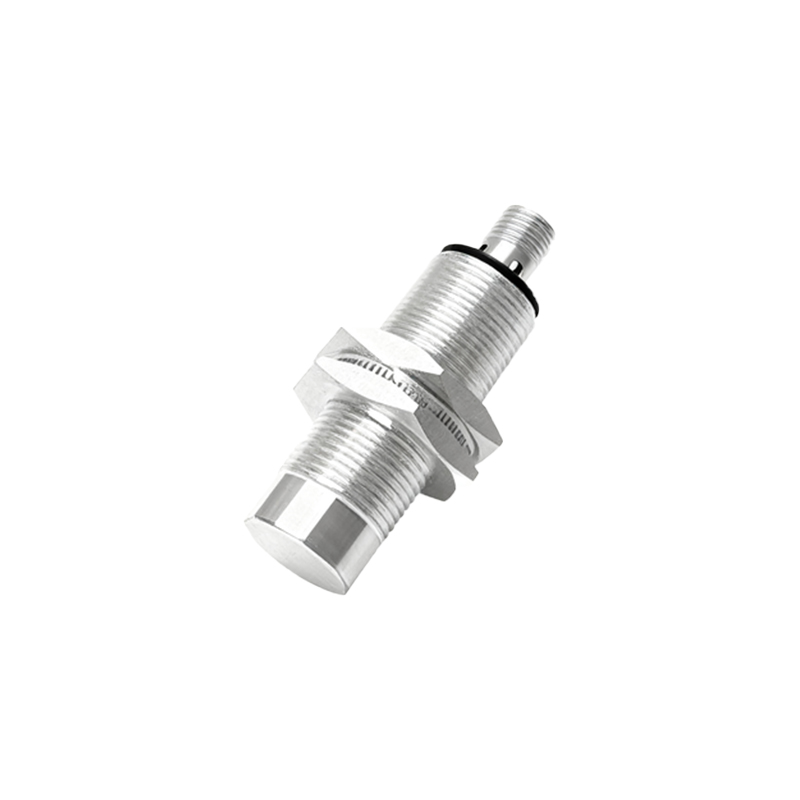
Installation and calibration are key to optimal performance. Sensors should be securely mounted on the cylinder using brackets or built-in slots, ensuring proper alignment with the piston magnet. It is advisable to follow manufacturer guidelines for gap distances between the sensor and cylinder to avoid false triggers. Regular testing, such as using a multimeter or PLC monitoring, can verify signal accuracy. In applications with high vibration or shock, additional securing mechanisms may be required to prevent sensor displacement.
In practice, proximity switch sensors for cylinders find widespread use across industries. In manufacturing, they enable automated clamping, lifting, and positioning tasks. In automotive production, they control robotic welding arms or part transfer systems. In food and beverage processing, they ensure hygienic operations with washdown-resistant sensors. Emerging trends include the adoption of smart sensors with IO-Link communication, which provide diagnostic data and enable predictive maintenance, further boosting productivity.
To maximize effectiveness, users should adhere to best practices such as routine inspections for debris accumulation, checking electrical connections, and updating control software. Troubleshooting common issues—like signal loss due to magnet degradation or misalignment—often involves simple adjustments or replacements. Consulting technical datasheets and industry standards, such as those from ISO or IEC, can aid in selecting the right sensor for specific applications.
In summary, proximity switch sensors are indispensable components in cylinder-based automation systems. Their ability to deliver accurate, contactless detection enhances operational reliability and efficiency. By understanding their working principles, selection criteria, and maintenance needs, engineers and technicians can leverage these sensors to build robust, high-performing automation solutions that meet the demands of modern industrial environments.