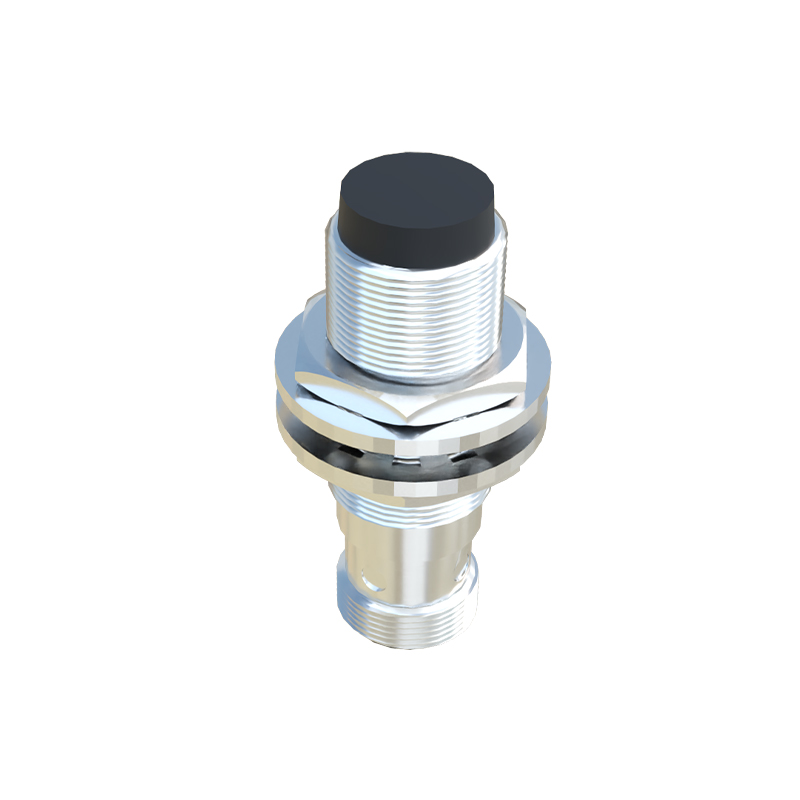
Magnetic proximity sensors are fundamental components in modern industrial automation and electronic systems. They operate on a relatively simple yet highly effective principle: detecting the presence or absence of a magnetic field, typically generated by a permanent magnet. Unlike other sensor types that may require physical contact or complex optical alignment, these sensors offer non-contact detection, making them exceptionally reliable in harsh environments filled with dust, dirt, oil, or moisture. The core sensing element is often a reed switch or a semiconductor-based Hall-effect device. When a magnetic field of sufficient strength enters the sensor's detection range, it triggers a change in the sensor's internal state, resulting in a clean electrical output signal. This signal can be a simple on/off switch or, in more advanced versions, an analog output proportional to the magnetic field strength.
The advantages of magnetic proximity sensors are numerous. Their solid-state design, with no moving parts in the case of Hall-effect sensors, translates to virtually infinite mechanical life and exceptional durability. They are immune to environmental contaminants that would clog or foul mechanical limit switches or obscure optical sensors. Furthermore, they can detect objects through non-magnetic barriers like plastic, aluminum, or stainless steel, allowing for completely sealed and protected installations. This makes them ideal for applications requiring hygiene, safety, or robust operation. Speed is another key benefit; they can detect rapidly moving targets, such as gear teeth or encoder wheels, at very high frequencies.
Applications for magnetic proximity sensors are vast and span across numerous industries. In factory automation, they are ubiquitous as position sensors for cylinders, detecting whether a pneumatic or hydraulic piston is fully extended or retracted. They serve as limit switches on machine tools, conveyors, and assembly lines. In the automotive sector, they are integral for sensing wheel speed for anti-lock braking systems (ABS), detecting crankshaft and camshaft position, and monitoring seat belt latches. Consumer electronics utilize tiny magnetic sensors for lid or cover detection in laptops and tablets. Even everyday appliances like dishwashers and washing machines use them to confirm door closure for safety interlocks. In more specialized fields, they monitor fluid levels via magnetic floats and provide feedback in medical equipment.
Selecting the right magnetic proximity sensor requires careful consideration of several parameters. The first is sensing distance, which specifies how far from the sensor the magnet must be to reliably trigger it. This is often a nominal value and can be affected by magnet size, strength, and temperature. The type of output is critical: a two-wire AC/DC, three-wire NPN/PNN transistor, or analog output must match the control system's input card. Housing material, typically nickel-plated brass, stainless steel, or plastic, must be chosen to withstand the chemical and physical environment. Operating temperature range, voltage supply, and protection ratings (like IP67 for dust and water immersion) are equally important. Finally, the magnetic field orientation—whether the sensor detects the magnetic south pole, north pole, or a changing field—must align with the application's magnet setup.
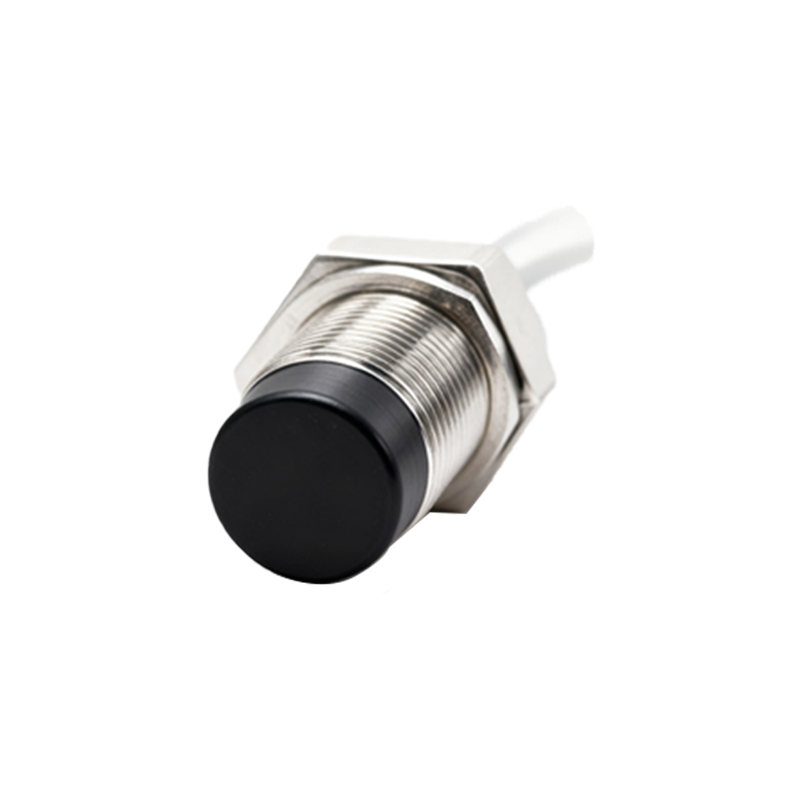
Installation and maintenance are straightforward but crucial for optimal performance. Sensors must be mounted securely to prevent vibration from altering the critical gap between the sensor and the trigger magnet. The sensing face should be aligned correctly with the magnet's approach path. Electrical connections must be sound, with proper shielding for cables in electrically noisy environments. While these sensors are very robust, periodic checks are advisable to ensure that the magnet has not lost strength, become demagnetized due to high heat, or shifted out of alignment. Understanding these fundamentals ensures that magnetic proximity sensors deliver their promised reliability, longevity, and precision, forming an invisible yet vital network of detection that keeps automated systems running smoothly and safely.