In the realm of industrial automation, the seamless integration of machinery and control systems is paramount. Among the critical components ensuring this harmony are proximity sensors, particularly when deployed in buffer applications. These sensors act as the vigilant eyes of a system, providing non-contact detection of objects, which is essential for preventing collisions, managing material flow, and maintaining operational continuity. A buffer, in this context, refers to a designated zone or mechanism intended to absorb shock, manage spacing, or temporarily hold items within a process. The deployment of proximity sensors in these areas transforms simple mechanical buffers into intelligent, responsive systems.
The core function of a proximity sensor in a buffer setup is to detect the presence or absence of an object as it approaches a predefined limit. This detection occurs without any physical contact, leveraging various technologies such as inductive, capacitive, ultrasonic, or photoelectric principles. Inductive sensors, for instance, are ideal for detecting metallic objects and are commonly used in robotic end-effectors or at the endpoints of linear actuators to signal when a moving part is nearing its mechanical stop. This signal can then be used to decelerate a motor, trigger a sequence change, or activate a safety interlock, thereby preventing damage from over-travel. The buffer zone, effectively monitored by the sensor, becomes a dynamic safety margin rather than a static, passive barrier.
The advantages of using non-contact proximity sensors over traditional mechanical limit switches in buffer applications are substantial. Mechanical switches suffer from wear and tear due to physical impact, leading to maintenance issues and potential failure points. Proximity sensors, devoid of moving parts in their sensing face, offer exceptional longevity and reliability. They provide consistent performance in harsh environments contaminated with dust, oil, or coolant, where mechanical contacts might falter. Furthermore, their response time is remarkably fast, enabling high-speed automation processes to operate with precision and confidence. This speed is crucial in applications like high-throughput packaging lines or automotive assembly, where a buffer conveyor's status must be communicated instantaneously to the central controller to regulate the flow of parts.
Selecting the appropriate proximity sensor for a specific buffer task requires careful consideration. Key parameters include sensing range, the material of the target object, environmental conditions, and the required output signal. For example, a capacitive sensor might be chosen to detect non-metallic materials like plastic or liquid levels in a buffer tank, while an ultrasonic sensor could be ideal for measuring the distance to a pile of bulk goods in a storage buffer, providing continuous level data. The mounting and alignment of the sensor are also critical; even a robust sensor will underperform if incorrectly positioned relative to the target's path.
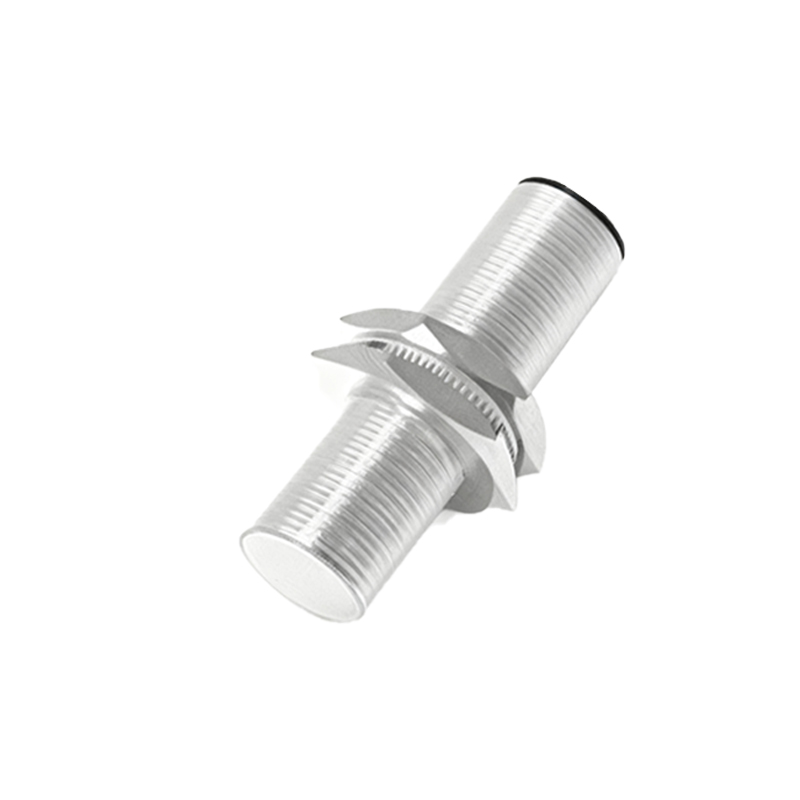
Integration into the broader control ecosystem is another vital aspect. Modern proximity sensors with IO-Link capability offer not just a simple on/off signal but a wealth of diagnostic data. They can report operating temperature, signal strength, and even warn of potential contamination on the sensing face. This predictive maintenance capability is invaluable for buffer systems in critical production stages, minimizing unplanned downtime. The sensor's output directly informs the Programmable Logic Controller (PLC), which orchestrates the machine's movements, ensuring that the buffer zone is respected and that processes halt or adjust before a fault occurs.
Real-world applications are diverse. In automated guided vehicle (AGV) systems, proximity sensors serve as buffer detectors at docking stations, ensuring the vehicle stops precisely and safely before contacting the charging port or rack. In stamping presses, they monitor the position of the slide, creating an electronic buffer to complement the physical hydraulic cushions, thereby protecting the die. On assembly lines, sensors manage the gap between products on a conveyor, maintaining an optimal buffer distance to prevent jams and ensure smooth transfer between stations.
In conclusion, proximity sensors are indispensable for modern, intelligent buffer mechanisms. They elevate basic mechanical stops into proactive, data-generating components that enhance safety, protect capital equipment, and optimize process flow. By providing reliable, non-contact detection at critical points, they form the foundation for more resilient and efficient automated systems. As industries continue to push for higher speeds and smarter factories, the role of the proximity sensor in buffer applications will only grow in significance, acting as a key enabler for precision and operational excellence.