In the intricate world of industrial automation and process control, the reliable monitoring of fluid flow is paramount. Among the diverse technologies employed for this critical task, proximity switch flow sensors stand out for their robustness, simplicity, and effectiveness. These devices are engineered to detect the presence or absence of fluid flow within a pipe or conduit, triggering a discrete electrical signal when a specific flow condition is met or not met. Unlike continuous flow meters that provide a variable output corresponding to flow rate, proximity switch flow sensors offer a straightforward on/off function, making them ideal for alarm, control, and safety interlock applications.
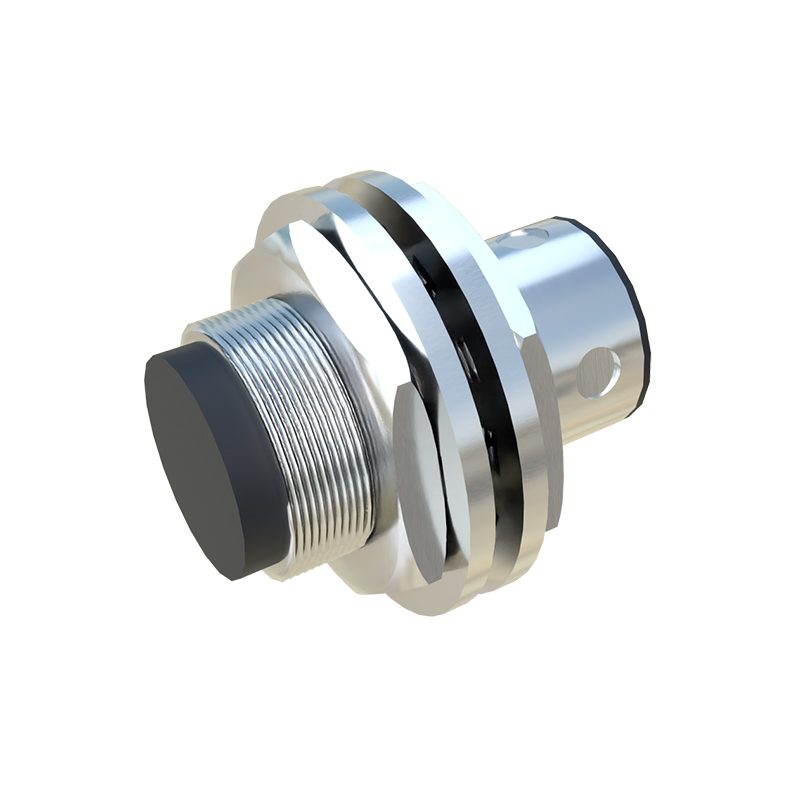
The core operating principle of a proximity switch flow sensor hinges on the movement of a sensing element, typically a paddle or a vane, placed directly in the fluid stream. As flow commences, the force of the moving fluid deflects this mechanical element. This deflection is detected by an integrated non-contact proximity sensor—often an inductive, magnetic, or Hall-effect sensor. When the paddle moves into the detection range of the proximity switch, it changes the switch's state. Once the flow drops below a predetermined threshold, the paddle returns to its resting position, and the switch reverts to its original state. This binary operation provides a clear, unambiguous signal indicating whether flow is present or absent.
This design offers several distinct advantages. Firstly, these sensors are known for their high reliability and durability. With no direct electrical contacts in the moving parts and minimal wear on the paddle mechanism, they can operate for extended periods in demanding environments. Secondly, they are generally simple to install and require minimal configuration, often needing only a setpoint adjustment for the flow threshold. Their output is typically a straightforward transistor or relay contact, easily integrated into existing Programmable Logic Controller (PLC) systems or alarm panels. Furthermore, they are versatile and can be used with a wide range of liquids, including water, oils, coolants, and certain mild chemicals, provided the wetted materials are compatible.
The applications for proximity switch flow sensors are vast and span numerous industries. In cooling systems, they are crucial for monitoring coolant flow to pumps, compressors, and machining centers, preventing equipment damage from dry running. Within water treatment and irrigation, they ensure pumps are operating and that flow is present in distribution lines. They act as essential safety devices in chemical processing by verifying flow through heat exchangers or reactors. In lubrication systems for large machinery, they confirm that oil is reaching critical bearings and gears. Essentially, anywhere there is a need to confirm flow for process integrity, equipment protection, or safety compliance, these sensors play a vital role.
Selecting the right proximity switch flow sensor requires careful consideration of several parameters. The primary factor is the fluid type, which determines the material requirements for the sensor body (e.g., brass, stainless steel, PVC) and the paddle. The flow rate range and the specific setpoint for activation are critical; the sensor must be sensitive enough to detect the minimum required flow. Process conditions such as pressure and temperature ratings must not be exceeded. The type of electrical output (PNP/NPN transistor, relay, analog override) and the supply voltage must match the control system's input requirements. Finally, installation aspects like pipe size and orientation (horizontal or vertical) must be accounted for, as some sensors are designed for specific mounting configurations.
Proper installation and routine maintenance are key to long-term performance. Installation should follow manufacturer guidelines regarding straight pipe runs before and after the sensor to ensure stable, non-turbulent flow for accurate paddle movement. While these sensors are low-maintenance, periodic checks are advisable. This involves verifying the mechanical freedom of the paddle, ensuring no debris or buildup is obstructing its movement, and testing the electrical response by simulating flow conditions. For applications with dirty or viscous fluids, sensors with a flushing port or a more robust paddle design may be necessary.
In conclusion, proximity switch flow sensors represent a pragmatic and highly effective solution for discrete flow monitoring. Their mechanical simplicity coupled with non-contact electronic switching delivers a reliable binary signal that is the backbone of many flow-related alarms and interlocks. By understanding their operating principle, recognizing their ideal applications, and following proper selection and installation practices, engineers and technicians can leverage these devices to enhance system reliability, protect valuable assets, and ensure safe operational practices across a multitude of industrial and process environments.