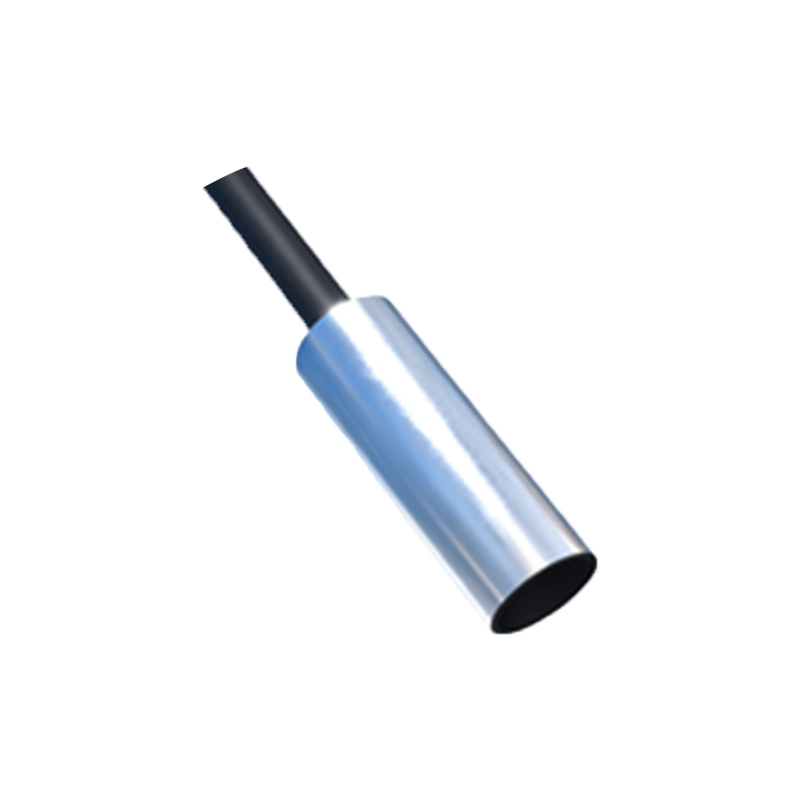
Proximity sensors have become an indispensable component in the modern technological landscape, silently enabling functionality across a vast array of industries. Unlike traditional mechanical switches, these non-contact devices detect the presence or absence of an object within a specified range without any physical interaction. This fundamental capability unlocks a world of applications focused on automation, safety, efficiency, and user interaction. The core principle involves emitting a field or beam of electromagnetic radiation, such as infrared light, ultrasonic sound, or an electromagnetic field, and then looking for changes in the field or return signal. The most common types include inductive sensors for metals, capacitive sensors for both metallic and non-metallic materials, photoelectric sensors using light beams, and ultrasonic sensors using sound waves.
In the realm of industrial automation, proximity sensors are the workhorses of manufacturing. On assembly lines, inductive sensors reliably detect the position of metal components, such as engine blocks or robotic arms, ensuring precise placement and timing for robotic welders or painting systems. Capacitive sensors can monitor the level of liquids or granular materials like plastic pellets inside non-metallic containers, preventing overflows or shortages. These applications are critical for maintaining continuous, high-speed production with minimal human intervention, directly impacting throughput and quality control.
The automotive industry integrates proximity sensors extensively to enhance both functionality and safety. They are fundamental to parking assistance systems, where ultrasonic sensors mounted on bumpers measure the distance to obstacles, providing audible or visual cues to the driver. Modern keyless entry and ignition systems rely on sensors that detect a key fob's presence. Furthermore, advanced driver-assistance systems (ADAS) use arrays of sensors, including radar and LiDAR (which operate on similar proximity principles), for features like adaptive cruise control, blind-spot monitoring, and automatic emergency braking, forming the sensory foundation for autonomous driving research.
Consumer electronics have been revolutionized by the intuitive interfaces enabled by proximity sensing. The most ubiquitous example is in smartphones and tablets, where an infrared sensor detects when the device is held to the user's ear during a call, automatically turning off the touchscreen to prevent accidental inputs. Similarly, laptops use sensors to detect when the lid is closed, triggering sleep mode. In smart home devices, sensors can turn on lights as a person enters a room or activate a faucet when hands are detected underneath, promoting hygiene and energy conservation.
Beyond these common uses, innovative applications continue to emerge. In the healthcare sector, capacitive sensors are used in touchless interfaces for medical equipment, allowing surgeons to control displays without breaking sterility. Ultrasonic sensors help in non-invasive fluid level monitoring. In agriculture, sensors on automated harvesting equipment can detect crop presence and position. Even retail and public spaces utilize them for automatic door operation, people counting, and touchless soap or sanitizer dispensers—a feature whose importance was magnified during global health concerns.
The advantages driving this widespread adoption are compelling. The lack of physical contact means no mechanical wear, leading to exceptional longevity and reliability. They can operate at very high speeds, detecting objects in milliseconds, which is essential for fast-paced industrial environments. Their solid-state design makes them resistant to vibration, moisture, and contaminants when properly housed. Furthermore, they provide consistent and repeatable detection, which is paramount for precision automation.
Looking forward, the evolution of proximity sensing is intertwined with the Internet of Things (IoT) and smarter systems. Sensors are becoming smaller, more energy-efficient, and increasingly integrated with wireless communication modules. This allows for dense networks of sensors providing rich environmental data to central systems for complex decision-making. Future developments may see enhanced material discrimination, longer detection ranges, and even lower power consumption, enabling new applications in wearable technology, advanced robotics, and smart city infrastructure.
In conclusion, the application of proximity sensors is a testament to how a fundamental sensing technology can permeate and enhance diverse facets of modern life. From the factory floor to the family car, and from personal gadgets to public health, these devices provide the essential "sense of touch" for machines, driving automation, improving safety, and creating more intuitive and efficient interactions between humans and the technological world. Their continued development will undoubtedly underpin the next wave of innovation across all sectors.