In the fast-paced world of industrial automation, precision and reliability are paramount. Among the many technologies driving this evolution, label counting proximity sensors have emerged as a critical component for streamlining operations across various sectors. These specialized sensors are designed to detect and count labels on products, packaging, or materials with high accuracy, ensuring seamless workflow and minimizing errors in production lines. Unlike traditional methods that rely on manual inspection or basic optical systems, label counting proximity sensors leverage advanced sensing mechanisms to provide real-time data, enabling automated systems to make instant adjustments. This capability is particularly valuable in industries such as manufacturing, logistics, and pharmaceuticals, where even minor discrepancies can lead to significant losses.
The core functionality of label counting proximity sensors revolves around their ability to identify labels based on specific characteristics, such as reflectivity, material composition, or embedded markers. Typically, these sensors use technologies like inductive, capacitive, or photoelectric sensing to detect the presence of labels without physical contact. For instance, photoelectric sensors emit a light beam that reflects off labels, with variations in reflection indicating label edges or gaps. This non-invasive approach reduces wear and tear on both the sensor and the labeled items, extending equipment lifespan and maintaining product integrity. Moreover, modern sensors are often equipped with digital interfaces and programmable logic, allowing integration with broader control systems like PLCs (Programmable Logic Controllers) for enhanced monitoring and data analysis.
One of the key advantages of label counting proximity sensors is their adaptability to diverse environments. Whether in humid conditions, dusty warehouses, or high-speed production lines, these sensors are engineered to withstand operational challenges. Many models feature robust housings and protective coatings to resist moisture, vibrations, and temperature fluctuations. This durability ensures consistent performance, reducing downtime and maintenance costs. Additionally, advancements in sensor technology have led to the development of smart sensors with self-diagnostic capabilities, which can alert operators to potential issues like misalignment or contamination before they escalate into major problems. Such proactive features contribute to overall efficiency and safety in automated settings.
Applications of label counting proximity sensors are widespread and varied. In the food and beverage industry, they are used to verify label placement on bottles and cans, ensuring compliance with labeling regulations and preventing misbranded products from reaching consumers. In pharmaceutical manufacturing, sensors count labels on medication packages to confirm correct dosages and batch information, a crucial step for quality control and patient safety. The logistics sector employs these sensors in sorting and tracking systems, where they help manage inventory by counting labeled boxes or pallets. Even in retail, automated checkout systems utilize similar technology to scan and count items, speeding up transactions and reducing human error.
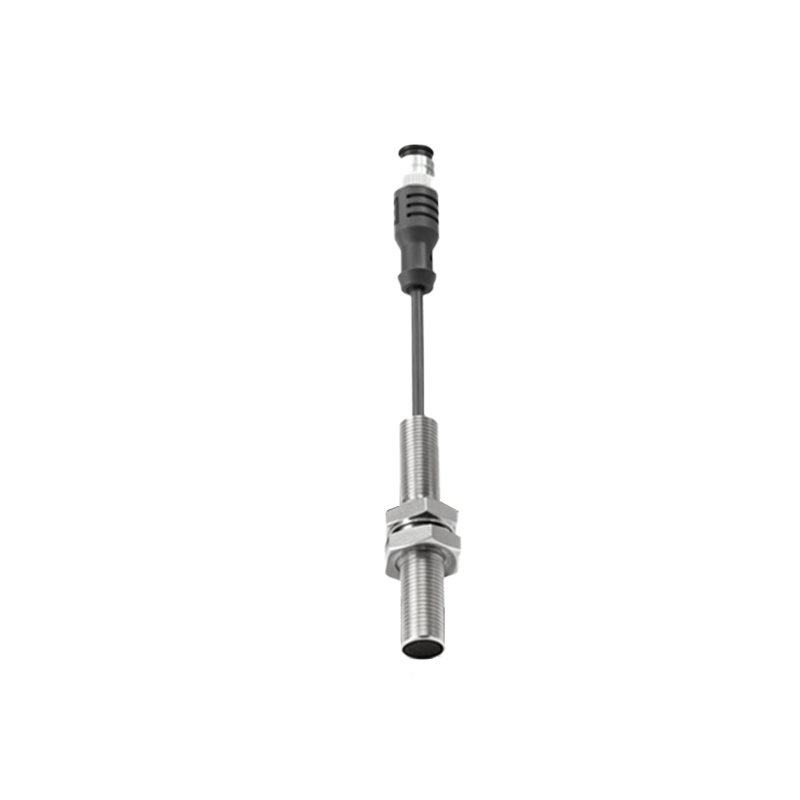
Despite their benefits, implementing label counting proximity sensors requires careful consideration. Factors such as label material, surface texture, and environmental lighting can affect sensor accuracy. For optimal results, it is essential to select sensors with appropriate sensing ranges and sensitivity settings tailored to the specific application. Regular calibration and maintenance are also necessary to preserve precision over time. Industry best practices recommend consulting with technical experts during installation to ensure proper alignment and integration with existing machinery.
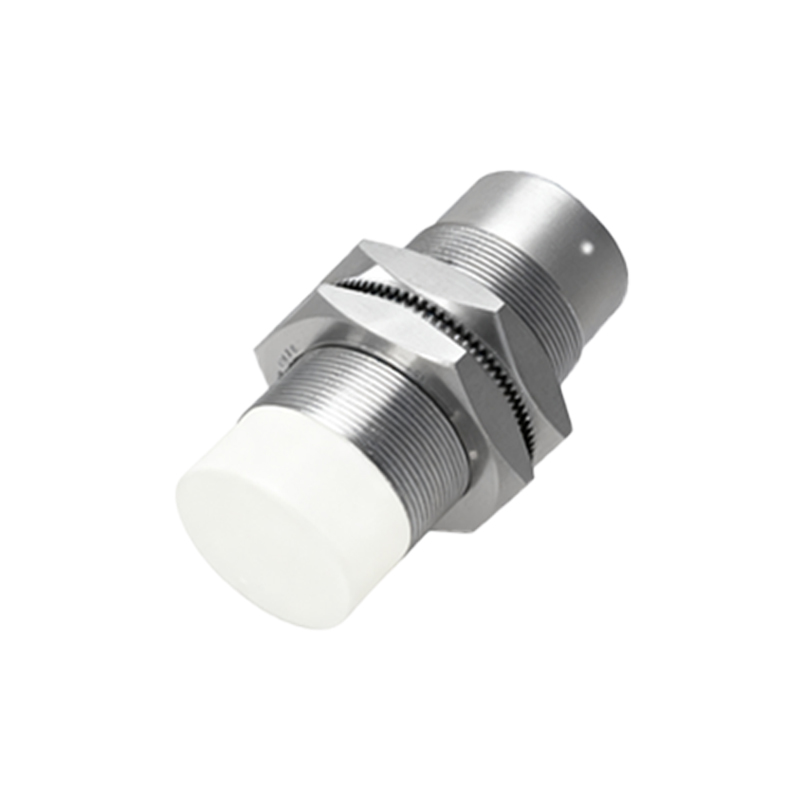
Looking ahead, the future of label counting proximity sensors is intertwined with trends like Industry 4.0 and the Internet of Things (IoT). As automation becomes more interconnected, sensors are evolving to offer wireless connectivity, cloud-based data logging, and AI-driven analytics. These innovations will enable predictive maintenance, real-time optimization, and deeper insights into production processes. For businesses seeking to enhance operational efficiency, investing in advanced label counting proximity sensors is not just a technological upgrade but a strategic move toward sustainable growth. By embracing these tools, industries can achieve higher accuracy, reduce waste, and meet the ever-increasing demands of global markets.
In summary, label counting proximity sensors represent a vital innovation in modern automation, combining precision, durability, and versatility to drive productivity. Their role in ensuring accurate label detection and counting underscores their importance across multiple sectors, from manufacturing to logistics. As technology continues to advance, these sensors will likely become even more integral to automated systems, paving the way for smarter, more efficient industrial operations.