In the world of industrial automation and machinery, proximity sensors have long been essential components for detecting the presence or absence of objects without physical contact. Among the various types available, through-metal proximity sensors stand out for their unique capability to operate effectively even when installed behind metal barriers. This article delves into the principles, applications, and advantages of these specialized sensors, offering insights into why they are increasingly favored in demanding environments.
At their core, through-metal proximity sensors function based on electromagnetic induction or capacitive sensing technologies. Unlike standard inductive sensors that may falter when mounted behind metal, these sensors are engineered with enhanced shielding and optimized frequencies to penetrate non-ferrous or ferrous metal surfaces. Typically, they emit a low-frequency electromagnetic field that can pass through thin layers of metal, detecting targets on the other side. This design allows for flush or even recessed installation, protecting the sensor from mechanical damage, contaminants, or harsh conditions while maintaining reliable detection.
The working principle involves generating an oscillating electromagnetic field. When a target object enters this field, it induces eddy currents or changes in capacitance, which the sensor detects and converts into an electrical signal. Key to their performance is the ability to distinguish between the metal barrier (which is part of the installation) and the actual target, ensuring false triggers are minimized. Manufacturers often calibrate these sensors for specific metal thicknesses and materials, such as aluminum, stainless steel, or copper, to optimize sensitivity and range.
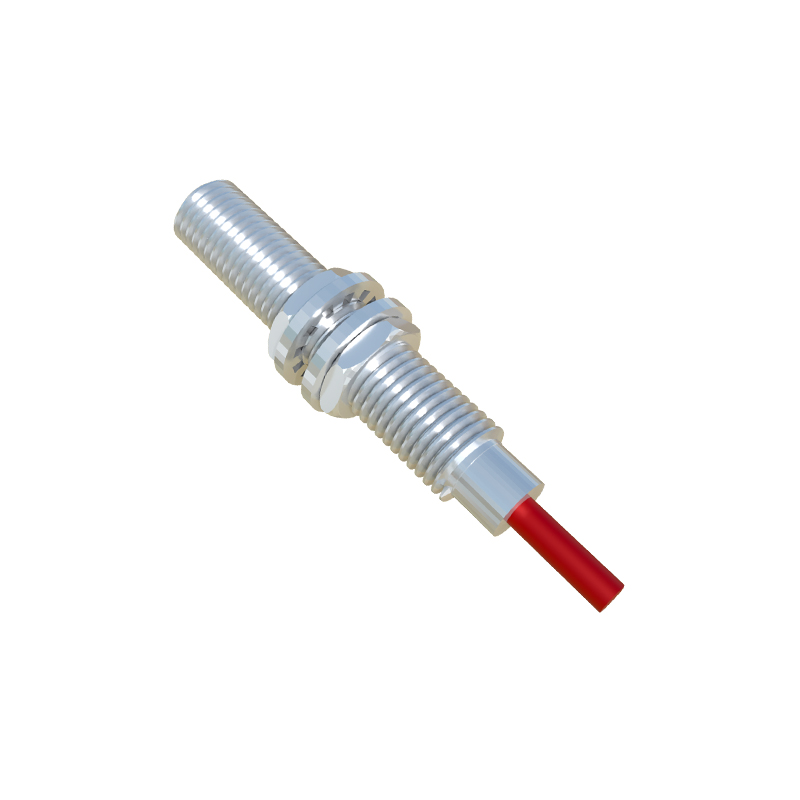
Applications of through-metal proximity sensors are widespread across industries where protection and precision are paramount. In automotive manufacturing, they are used to monitor components behind metal panels, such as in engine assemblies or robotic welding systems. The food and beverage industry employs them in hygienic environments, where sensors must be sealed behind stainless steel to prevent contamination and withstand frequent washdowns. Similarly, in heavy machinery and construction equipment, these sensors enable condition monitoring of internal parts without exposing them to dust, moisture, or impacts. Another notable use is in security systems, where they can detect intrusions through metal doors or walls discreetly.
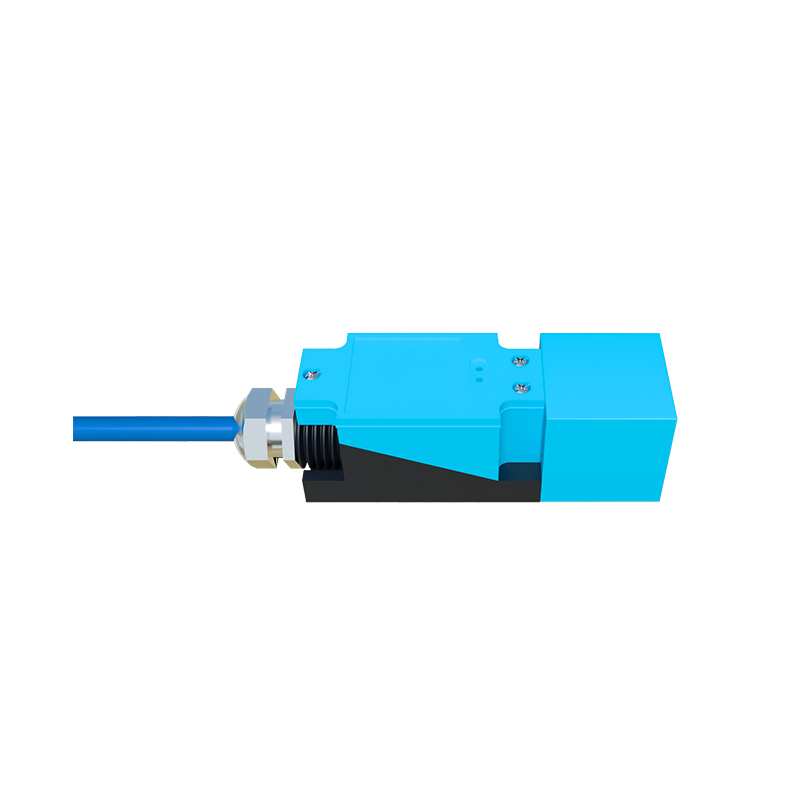
Advantages of through-metal sensors include enhanced durability and longevity. By being mounted behind metal, they are shielded from direct exposure to abrasives, chemicals, or extreme temperatures, reducing wear and tear. This setup also simplifies maintenance, as sensors remain accessible from one side without disassembling machinery. Moreover, their non-contact nature ensures no interference with moving parts, leading to higher efficiency and safety. From a design perspective, they allow for sleeker, more integrated installations, improving the aesthetics and functionality of equipment.
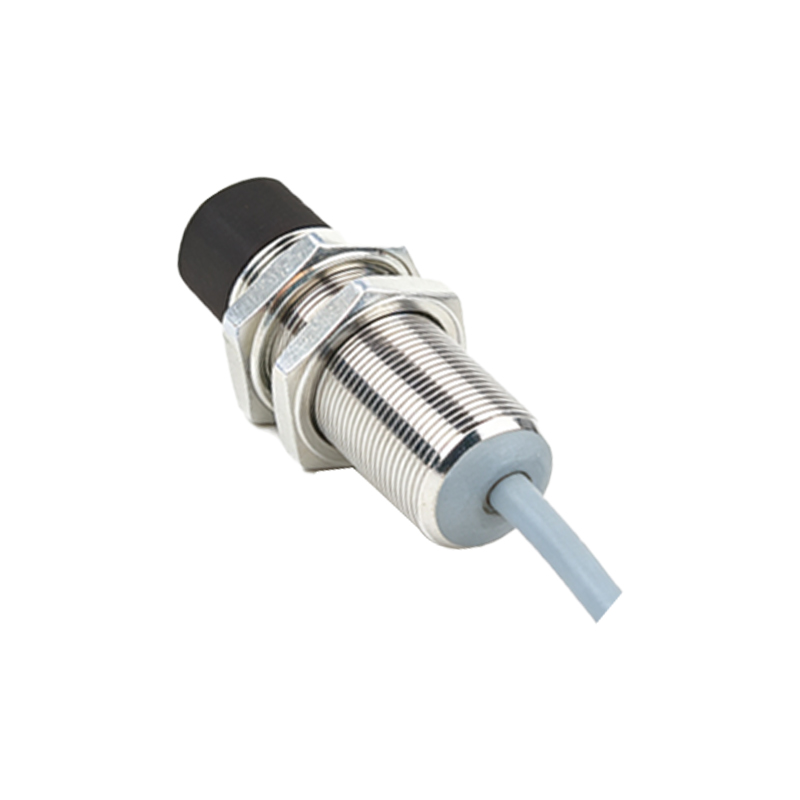
When selecting a through-metal proximity sensor, factors such as sensing range, metal thickness, and environmental conditions must be considered. Typical sensing distances range from a few millimeters to several centimeters, depending on the barrier material. It is crucial to consult technical datasheets to match the sensor with the application’s requirements, including temperature ratings, output types (e.g., PNP or NPN), and housing materials like nickel-plated brass or PBT plastic. Proper installation, including alignment and gap adjustments, ensures optimal performance and avoids issues like reduced sensitivity or false readings.
In summary, through-metal proximity sensors represent a sophisticated solution for challenging detection scenarios. Their ability to operate reliably behind metal barriers makes them indispensable in modern automation, contributing to smarter, more resilient systems. As technology advances, we can expect further innovations in miniaturization, wireless connectivity, and adaptive sensing, expanding their role in Industry 4.0 and beyond. For engineers and operators, understanding these sensors opens up new possibilities for optimizing processes and enhancing operational reliability.