Proximity sensors are ubiquitous in modern technology, silently performing critical tasks in industries ranging from manufacturing and automotive to consumer electronics and security systems. These devices detect the presence or absence of an object within a specific range without any physical contact. But what exactly happens inside these compact, often unassuming, units? The internal workings are a sophisticated blend of physics, electronics, and material science, designed for reliability and precision.
At its core, the fundamental principle behind most proximity sensors is the generation and interaction of an electromagnetic field or a beam of energy. The internal circuitry is engineered to monitor changes in this field caused by the intrusion of a target object. The specific internal components and their arrangement vary significantly depending on the underlying technology. The most common types are inductive, capacitive, and photoelectric sensors, each with a distinct internal architecture.
Inductive Proximity Sensors: Sensing Metals
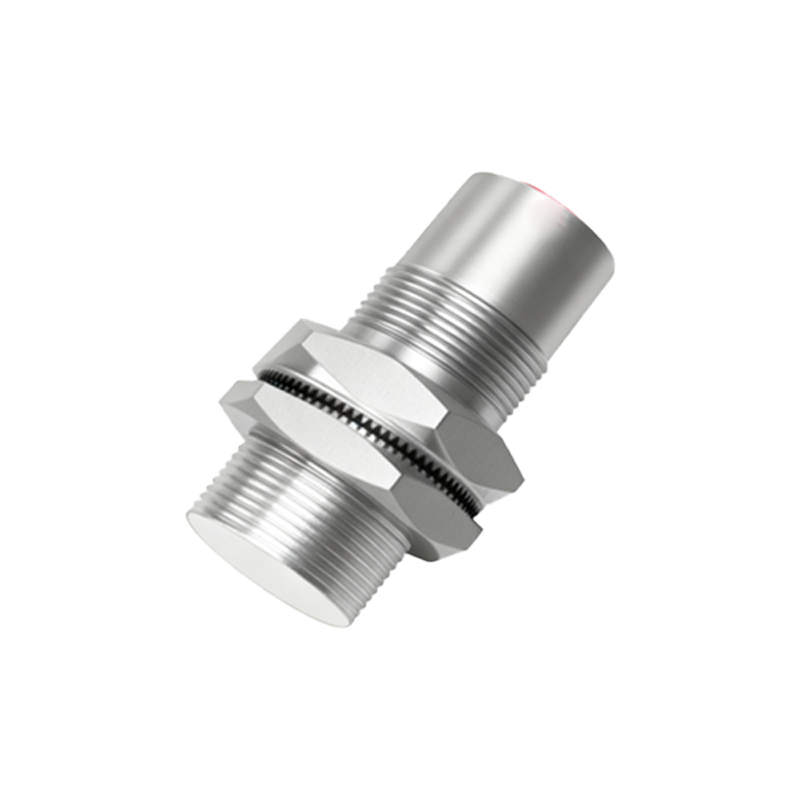
Internally, an inductive proximity sensor is built around a coil of wire wound around a ferrite core. This assembly forms an oscillator circuit. When powered, the oscillator generates a high-frequency alternating electromagnetic field that radiates from the active face of the sensor, typically protected by a rugged plastic or metal housing. This field induces small eddy currents on the surface of any nearby conductive metal object. These eddy currents draw energy from the oscillator circuit, causing its amplitude to decrease. A dedicated internal circuit, often involving a Schmitt trigger or a similar detection stage, continuously monitors the oscillator's amplitude. When the amplitude drop exceeds a predefined threshold—indicating a metal object is within the sensing range—the sensor's solid-state output switch (like a transistor) changes state. This switch directly controls the output signal, signaling the presence of the target. The entire assembly is potted in epoxy resin to protect the delicate electronics from vibration, moisture, and contaminants.
Capacitive Proximity Sensors: Detecting Nearly Anything
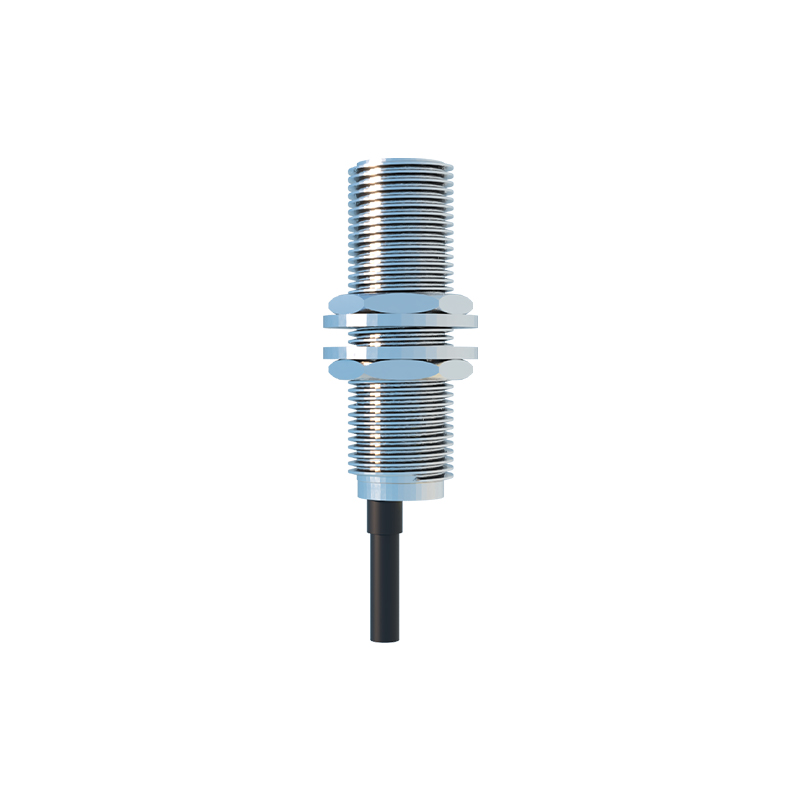
The internal design of a capacitive sensor shares some similarities with its inductive counterpart but is tuned to detect changes in capacitance rather than inductance. Inside, there are two conductive electrodes arranged as a capacitor. One acts as the active sensing electrode, and the other often serves as a guard or reference. These are connected to an internal oscillator circuit. The sensor generates an electrostatic field. When any material—metal, plastic, wood, liquid, or even a human hand—enters this field, it alters the dielectric properties and thus the capacitance of the system. This change affects the oscillator's characteristics. A detection circuit senses this shift and triggers the output switch. Internally, capacitive sensors often include sensitivity adjustment potentiometers, accessible through a small hole in the housing, allowing technicians to fine-tune the sensing range for different materials and to ignore background interference.
Photoelectric Sensors: The Beam of Light
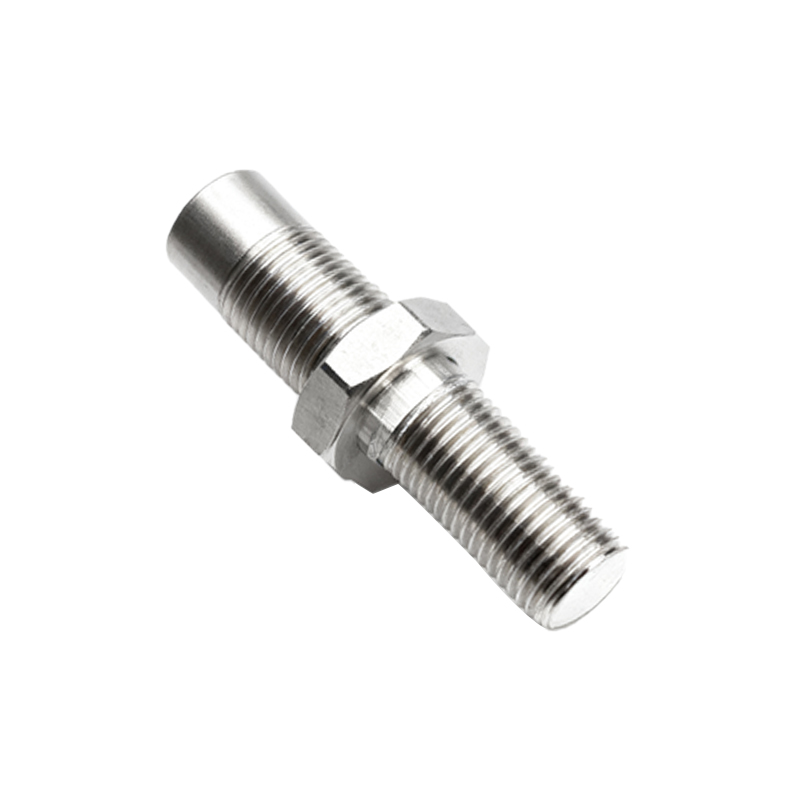
The internal components of a photoelectric sensor are more modular. They house a light emitter (usually an LED for visible red, infrared, or laser light) and a photodetector (like a phototransistor or photodiode). These are precisely aligned within a rigid casing. The internal circuitry includes a driver for the emitter and a highly sensitive amplifier for the detector's signal. In a through-beam type, the emitter and receiver are in separate housings. In a retro-reflective or diffuse (proximity) type, both are housed in the same unit. For diffuse sensors, the internal logic is key: it measures the intensity of the light reflected back from a target. The received signal is compared against a threshold set by the internal circuitry. Advanced versions include microprocessors for background suppression, which intelligently ignore reflections from fixed distant objects and only react to targets within a precise window. The lens quality and the sealing of the optical components are critical internal features to prevent fogging and misalignment.
Beyond these primary components, modern proximity sensors integrate several other internal elements. A voltage regulator ensures stable operation despite fluctuations in the supply voltage. Protection circuits, such as reverse polarity protection, overcurrent protection, and short-circuit protection, are standard to enhance durability in harsh industrial environments. For sensors with digital interfaces or programmability, a small microcontroller manages logic, diagnostics, and communication protocols.
The housing material is not just an external shell; it is a functional part of the internal system. It must shield the electronics from electromagnetic interference (EMI), provide adequate mechanical strength, and often incorporate specific materials (like PTFE coatings) to prevent sticking of certain materials in food or chemical industries.
In summary, the interior of a proximity sensor is a marvel of miniaturized engineering. It transforms a subtle physical interaction—a disturbance in a field—into a robust, clean electrical signal through a carefully orchestrated symphony of oscillators, detectors, amplifiers, and protective circuits. This internal complexity, hidden behind a simple facade, is what makes these devices so reliable and indispensable for automated control and safety systems across the