Human proximity sensors are integral components in modern technology, enabling devices to detect the presence or absence of objects without physical contact. The size of these sensors plays a crucial role in their application, performance, and integration into various systems. This guide explores the dimensions, implications, and considerations surrounding human proximity sensor size, providing insights for engineers, designers, and enthusiasts alike.
Proximity sensors operate on principles such as infrared (IR), ultrasonic, capacitive, or inductive sensing. Each technology has distinct size requirements. For instance, infrared sensors typically consist of an IR LED and a photodetector, which can be miniaturized to as small as 2mm x 2mm for compact devices like smartphones. Ultrasonic sensors, using sound waves, often require larger housings—around 10mm to 30mm in diameter—to accommodate transducers that emit and receive signals effectively. Capacitive sensors, common in touchscreens, can be integrated into thin layers, sometimes less than 1mm thick, making them ideal for sleek consumer electronics. The choice of technology directly impacts the sensor's footprint, influencing where and how it can be deployed.
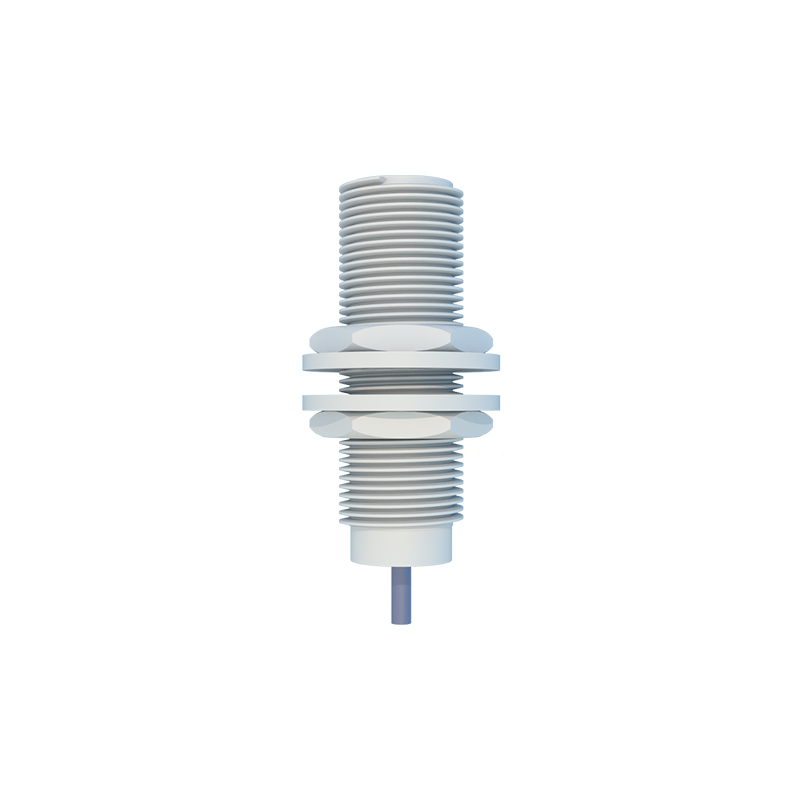
The size of a human proximity sensor affects its detection range and accuracy. Smaller sensors, while space-efficient, may have limited range or sensitivity due to reduced emitter and receiver capabilities. For example, a miniaturized IR sensor might detect objects only within 5-10cm, suitable for proximity detection in phones to turn off screens during calls. Larger sensors, like those used in industrial automation, can span several centimeters and detect humans from meters away, ensuring safety in machinery zones. Engineers must balance size with performance metrics such as response time, power consumption, and environmental robustness. In automotive applications, sensors embedded in dashboards for gesture control are often compact (under 5mm), yet they must maintain high accuracy to prevent false triggers from sunlight or reflections.
Integration challenges arise with sensor size reduction. As devices become thinner and more portable, sensors must fit into tight spaces without compromising functionality. This has led to innovations in micro-electromechanical systems (MEMS), allowing sensors to shrink to sub-millimeter scales. For instance, MEMS-based capacitive sensors can be embedded in wearables like smartwatches, where size constraints are stringent. However, miniaturization can increase manufacturing complexity and cost. Designers must consider factors like heat dissipation, signal interference, and durability. In medical devices, such as infusion pumps with proximity alerts, sensors are often customized to fit specific enclosures, requiring precise dimensional tolerances.
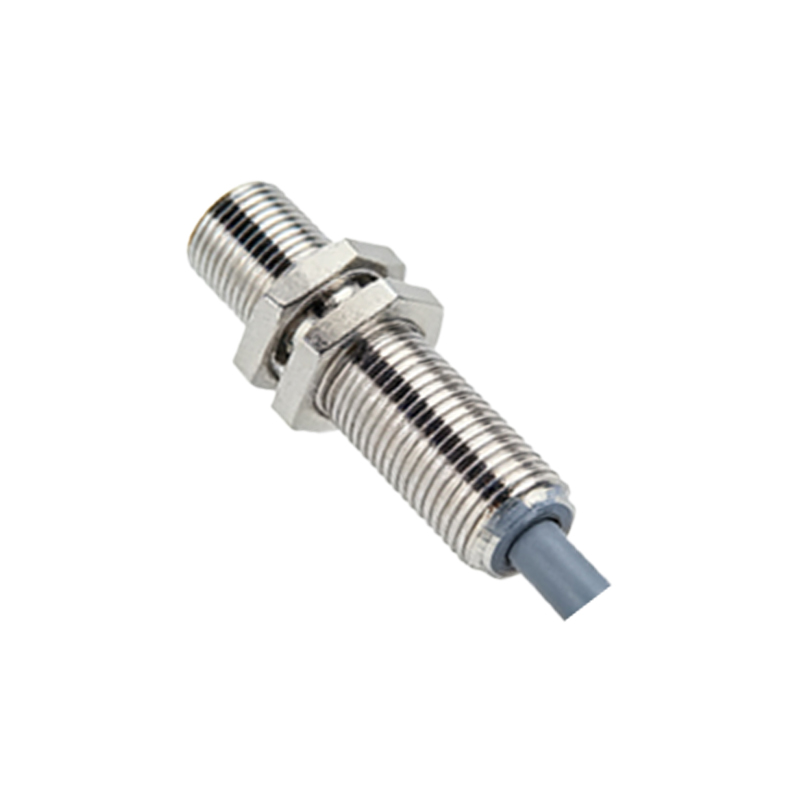
The evolution of sensor size trends toward miniaturization, driven by demand for smaller, smarter devices. Early proximity sensors in industrial settings were bulky, but advancements in semiconductor technology have enabled chip-scale packages. Today, sensors like the VL53L0X time-of-flight (ToF) sensor measure just 4.4mm x 2.4mm x 1.0mm, offering long-range detection up to 2m. This shrinkage opens new applications in robotics, IoT, and augmented reality, where space is at a premium. Future developments may involve nanoscale sensors or flexible electronics, further pushing size boundaries. However, trade-offs remain: ultra-small sensors might sacrifice robustness or require calibration for reliable operation.
When selecting a human proximity sensor, size should be evaluated alongside other parameters. Key considerations include the target application—whether it's for consumer electronics, automotive safety, or industrial monitoring—and the required detection distance. For example, a smart home system might use a 3mm sensor for presence detection in lights, while a security system could employ a larger 20mm sensor for wide-area coverage. Environmental factors like temperature, humidity, and obstructions also influence size choices, as larger housings may offer better protection. Ultimately, the optimal sensor size aligns with the device's design goals, ensuring efficient performance without unnecessary bulk.
In summary, human proximity sensor size is a multifaceted aspect that intertwines with technology, performance, and application needs. From tiny chips in mobile gadgets to robust units in factories, dimensions shape how sensors interact with the world. As innovation continues, understanding these size dynamics will be essential for creating next-generation technologies that are both compact and capable.