In the realm of industrial automation and machinery, the integrity of every component is paramount. Among these critical components, proximity sensors stand as silent sentinels, enabling non-contact detection of objects with remarkable accuracy. The distinction between an original genuine proximity sensor and its counterfeit or substandard counterparts is not merely a matter of branding; it is a fundamental determinant of system performance, safety, and long-term operational cost.
Original genuine proximity sensors are engineered and manufactured under stringent quality control protocols by authorized producers. These sensors undergo rigorous testing for environmental resilience, including resistance to temperature extremes, moisture, vibration, and electromagnetic interference. The materials used in their construction—from the sensing face and housing to internal electronics—are specified for durability and consistent performance. This meticulous engineering ensures that the sensor delivers the exact sensing distance, repeatability, and response time as documented in its technical specifications. For instance, an inductive sensor from a genuine source will reliably detect a metal target at its stated nominal range, batch after batch, without drift or failure.
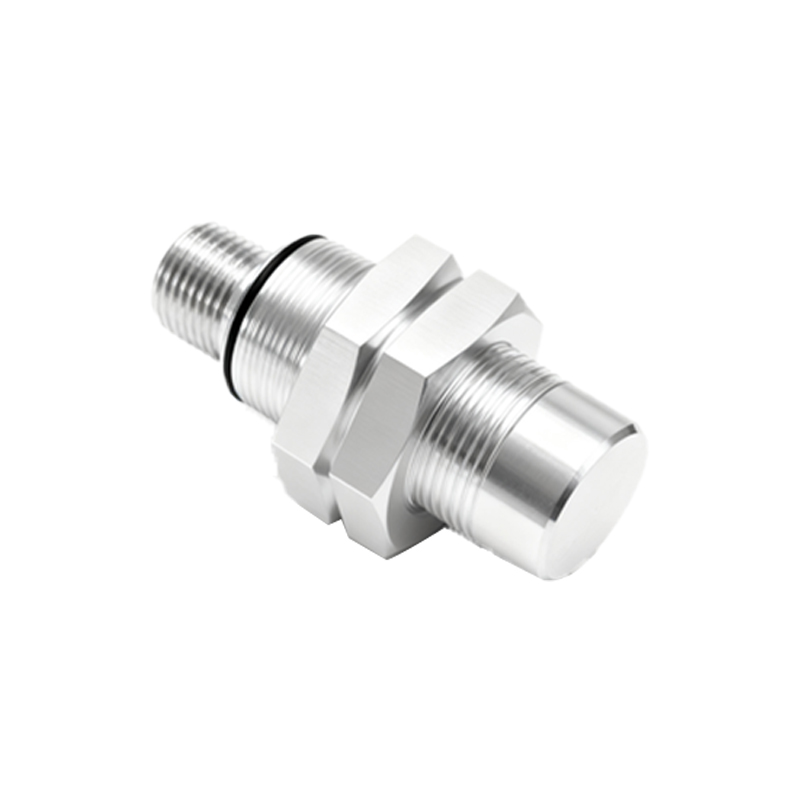
The consequences of deploying non-genuine sensors can be severe and multifaceted. Performance degradation is often the first symptom. A counterfeit sensor may exhibit inconsistent sensing ranges, slower switching frequencies, or reduced overload protection. This inconsistency directly translates to production errors, such as missed detections on an assembly line leading to defective products or improper machine sequencing. Beyond performance, safety risks escalate dramatically. In applications involving robotic cells, automated guided vehicles, or safety interlocks, a sensor failure can result in catastrophic equipment damage or pose serious physical hazards to personnel.
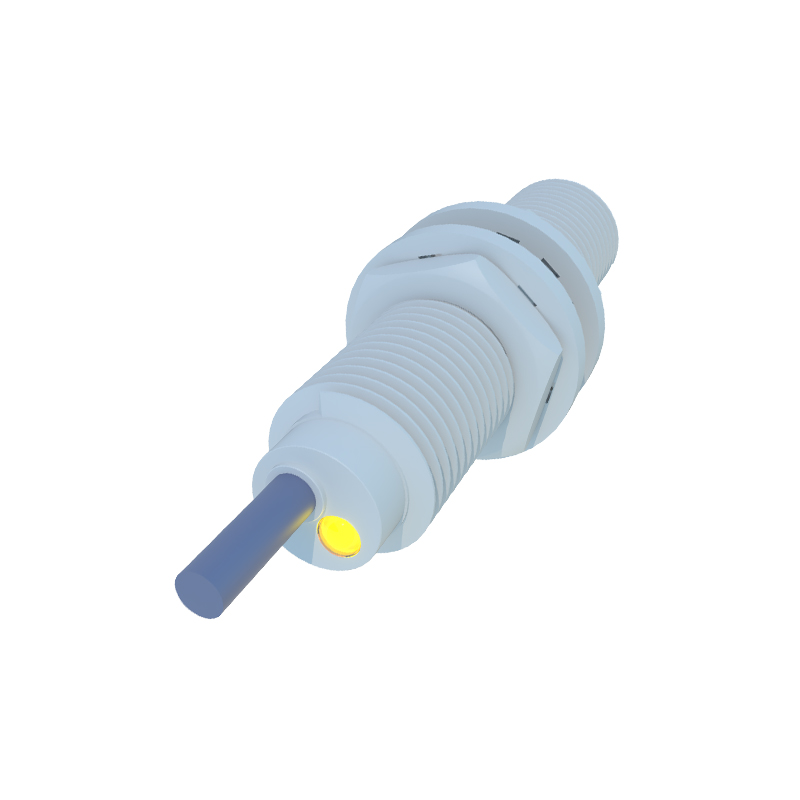
Furthermore, the financial argument against counterfeit sensors is compelling. While the initial purchase price may be lower, the total cost of ownership skyrockets. Non-genuine sensors have a significantly higher failure rate, leading to unplanned downtime. The cost of production halts, emergency maintenance, and lost revenue often dwarfs the initial savings. They also typically lack proper technical documentation and traceability, complicating troubleshooting and system integration. Most critically, they are not backed by a valid manufacturer's warranty or access to authentic technical support, leaving end-users solely responsible for all subsequent issues.
Identifying original genuine proximity sensors requires diligence. Purchasers should always source components from authorized distributors or directly from the manufacturer. Authentic products feature precise laser-etched logos, model numbers, and serial numbers on the housing. The packaging is of high quality and includes security holograms or labels where applicable. Genuine sensors are accompanied by detailed datasheets, certificates of conformity, and often a statement of origin. When in doubt, consulting the manufacturer's official website to verify distributor authorization or using product verification tools provided by many leading brands is essential.
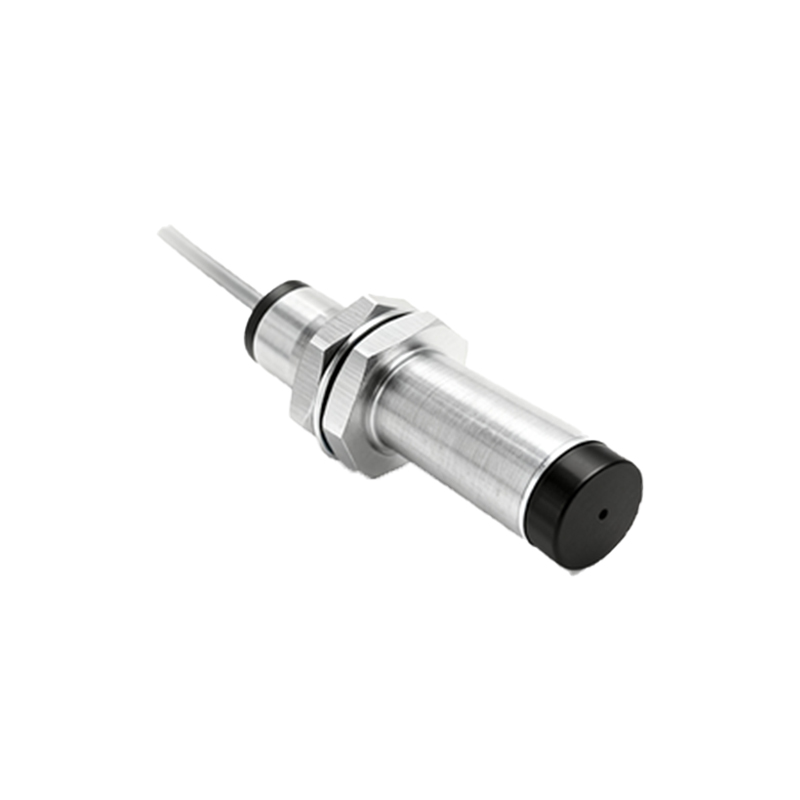
The reliability of an automated system is a chain only as strong as its weakest link. Integrating original genuine proximity sensors is a proactive investment in that chain's integrity. They provide the foundational reliability required for just-in-time manufacturing, precision robotics, and complex process control. By ensuring every detection event is precise and repeatable, genuine sensors contribute directly to optimized production flow, superior product quality, and enhanced workplace safety. In an era where operational efficiency and data accuracy are currencies of competitiveness, compromising on sensor authenticity is a risk no responsible operation can afford to take. The choice for reliability, safety, and true cost-efficiency is clear: insist on original genuine proximity sensors for every critical application.