In the demanding environment of modern mining, safety and operational efficiency are paramount. Proximity sensors have emerged as critical components in achieving these goals, providing reliable, non-contact detection of objects and machinery in harsh underground conditions. These electronic devices work by emitting an electromagnetic field or a beam of electromagnetic radiation, and then looking for changes in the field or return signal. The primary advantage is their ability to function without physical contact, which minimizes wear and tear and prevents contamination in dusty, wet, and volatile atmospheres typical of mines.
There are several main types of proximity sensors deployed in mining applications, each suited to specific tasks. Inductive sensors are widely used for detecting metallic objects, such as the position of shuttle cars, conveyor belt components, or drilling equipment. They are robust, resistant to environmental factors, and ideal for counting or positioning metal parts. Capacitive sensors can detect both metallic and non-metallic materials, including liquids and granular substances. This makes them valuable for monitoring levels of ore, slurry, or other materials in bins and hoppers. Ultrasonic sensors use sound waves to measure distance or detect the presence of objects, proving effective in applications like collision avoidance for large vehicles or measuring the volume of material in a stockpile.
The integration of these sensors into mining automation systems represents a significant leap forward. They form the sensory backbone of automated haulage systems, guiding driverless trucks and loaders along predefined paths while ensuring safe distances from walls, other vehicles, and personnel. On conveyor systems, proximity sensors monitor belt alignment, detect rip or slip conditions, and control the sequencing of drives, preventing costly breakdowns and spillage. In drilling and bolting machinery, they ensure precise positioning and depth control, enhancing both the speed and accuracy of these critical processes.

Perhaps the most vital role of proximity sensors is in enhancing personnel safety. They are integral to Area Monitoring Systems (AMS) that create invisible protective zones around dangerous machinery. If a sensor detects an intrusion into a restricted area, it can automatically slow down or halt equipment, such as crushers, continuous miners, or longwall shearers. Wearable devices equipped with proximity sensors can also alert workers when they approach hazardous zones. Furthermore, sensors on access doors to restricted areas ensure they are securely closed before machinery is activated, implementing a reliable lock-out/tag-out procedure.
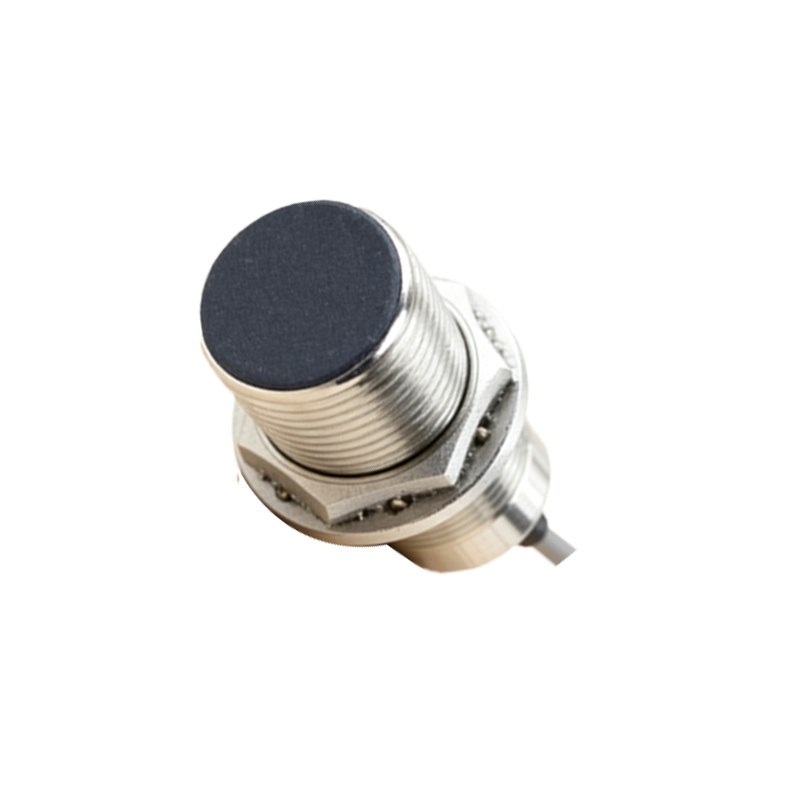
The harsh mining environment presents unique challenges, including extreme dust, moisture, mechanical vibrations, and potential exposure to explosive gases. Mining-grade proximity sensors are specifically engineered to withstand these conditions. They are often housed in rugged, corrosion-resistant enclosures with high Ingress Protection (IP) ratings. For use in potentially explosive atmospheres, sensors are designed with intrinsic safety (IS) barriers or are housed in explosion-proof enclosures to prevent ignition of methane or coal dust. Regular maintenance and calibration are essential, but the solid-state nature of modern sensors ensures long service life and reliability with minimal downtime.
Looking ahead, the future of proximity sensing in mining is intertwined with the Industry 4.0 revolution. The next generation of sensors is becoming smarter, equipped with digital interfaces and self-diagnostic capabilities. They can communicate directly with centralized control systems via industrial IoT networks, providing real-time data on their own health and the parameters they monitor. This facilitates predictive maintenance, where potential sensor or machine failures are identified before they cause an outage. The data collected from vast networks of sensors also feeds into sophisticated analytics platforms, enabling mine operators to optimize processes, improve resource utilization, and make more informed, data-driven decisions.
In conclusion, proximity sensors are far from simple detection devices. They are fundamental enablers of a safer, more productive, and increasingly intelligent mining industry. By providing accurate, real-time information about the position and movement of equipment and materials, they help prevent accidents, protect valuable assets, and streamline complex operations. As mining continues to push into deeper and more challenging territories, the reliability and sophistication of proximity sensing technology will remain a cornerstone of sustainable and responsible resource extraction.