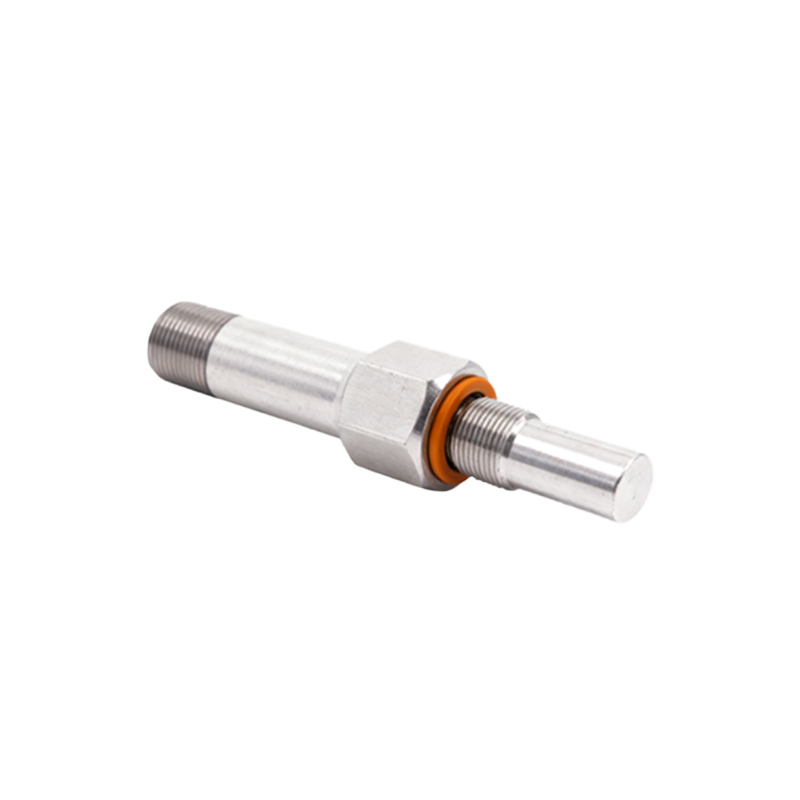
In the intricate dance of modern machinery and smart devices, there exists a silent, unseen sentinel. It doesn't make a sound, rarely draws attention to itself, yet its function is fundamental to safety, efficiency, and seamless interaction. This is the world of the following proximity sensor, a critical component that has evolved from simple industrial switches to sophisticated, intelligent systems embedded in our daily lives.
At its core, a following proximity sensor is a device that detects the presence or absence of an object within a specific range without any physical contact. The term "following" often implies its application in systems where maintaining a specific distance or tracking movement is paramount. Think of an automated guided vehicle (AGV) in a warehouse, smoothly trailing a human operator while maintaining a safe buffer zone. Or consider advanced driver-assistance systems (ADAS) in modern cars, where radar and LiDAR sensors continuously monitor the distance to the vehicle ahead, enabling adaptive cruise control to automatically adjust speed. This "following" capability transforms a simple detection event into a dynamic, responsive relationship between machine and environment.
The technology behind these sensors is diverse, each suited to different "following" scenarios. Inductive sensors are the workhorses in industrial settings, detecting metallic objects. They are perfect for counting metal parts on a conveyor belt or ensuring a robotic arm maintains correct positioning relative to a metal fixture. Capacitive sensors, on the other hand, can detect both metallic and non-metallic materials like liquids, wood, or plastics. This makes them ideal for applications like monitoring fill levels in tanks or ensuring proper material flow. For longer-range and precise distance measurement, ultrasonic sensors emit sound waves and calculate distance based on the echo's return time. They are commonly used in parking assist systems and collision avoidance on factory floors. The most advanced following applications often employ optical sensors, including infrared (IR) and LiDAR. IR sensors are ubiquitous in smartphones for turning off the display during a call, while LiDAR creates high-resolution 3D maps for everything from autonomous vehicles to archaeological surveys.
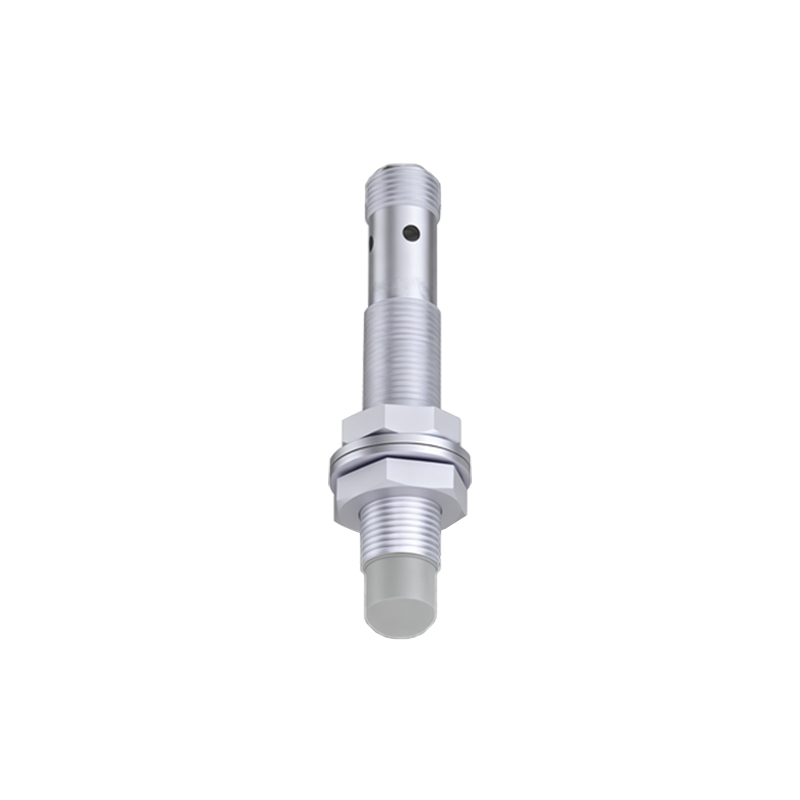
The real-world applications of following proximity sensors are vast and growing. In industrial automation, they are the backbone of precision. Robotic assembly lines rely on them for precise part positioning and quality control, ensuring every weld or component placement is exact. They enable complex pick-and-place operations, where a robotic arm must follow the contour of an object. In the consumer realm, they enhance convenience and hygiene. Touchless faucets, soap dispensers, and hand dryers in public restrooms use infrared sensors to activate following a hand's motion, reducing germ transmission. In smartphones, the proximity sensor not only manages the screen during calls but also enables features like automatic screen rotation and gesture control.
The automotive industry is perhaps one of the most significant beneficiaries. Following sensors form the sensory network for advanced safety features. Blind-spot monitoring uses radar sensors to track vehicles in adjacent lanes. Cross-traffic alert systems use similar technology to warn drivers of approaching cars when reversing. The evolution towards autonomous driving hinges on arrays of these sensors—cameras, radar, and LiDAR—working in concert to create a real-time, following model of the vehicle's surroundings, tracking pedestrians, cyclists, and other vehicles with immense precision.
Looking ahead, the future of following proximity sensors is intertwined with the rise of the Internet of Things (IoT) and Artificial Intelligence (AI). Smarter, smaller, and more energy-efficient sensors are being developed. They are becoming networked, capable of sharing data with other systems to make collective decisions. An AGV's sensor data might be fed into a central logistics AI to optimize entire warehouse traffic flow. In smart homes, sensors could follow a resident's movement to adjust lighting, climate, and security settings autonomously. Furthermore, sensor fusion—the combination of data from multiple sensor types—is enhancing reliability and accuracy, allowing systems to "follow" and interpret complex scenarios even in challenging conditions like poor weather or low light.
From the factory floor to the family car, following proximity sensors operate as the invisible guardians of our technological ecosystem. They provide the essential perception that allows machines to interact with the physical world intelligently and safely. As they continue to evolve, becoming more integrated and intelligent, their role in enabling automation, enhancing safety, and creating intuitive human-machine interfaces will only become more profound, quietly guiding the future of interaction one detection at a time.