In the ever-evolving landscape of sensor technology, a quiet yet powerful innovation is making significant strides: the acoustic proximity sensor. Unlike its optical or capacitive counterparts, this technology harnesses the fundamental properties of sound waves to detect the presence, absence, or distance of objects without any physical contact. Its operation is elegantly simple in principle yet sophisticated in execution, offering unique advantages in environments where other sensors falter.
At its core, an acoustic proximity sensor functions by emitting a burst of high-frequency sound waves, typically ultrasonic, beyond the range of human hearing. A transducer acts as both a speaker and a microphone. It first emits a sound pulse and then swiftly switches to listen for the echo. The time interval between the emission and the reception of the reflected wave is meticulously measured. Since the speed of sound in the ambient medium (usually air) is a known constant, the sensor's onboard processor can accurately calculate the distance to the target object using the basic formula: Distance = (Speed of Sound × Time of Flight) / 2. This Time-of-Flight (ToF) principle is the bedrock of its operation.
The defining characteristic of these sensors is their remarkable robustness against environmental interference that commonly plagues other systems. Optical sensors, for instance, can be blinded by ambient light, fog, dust, or smoke. Capacitive sensors can be triggered unintentionally by humidity or non-target materials. Acoustic sensors, however, are largely impervious to these conditions. Sound waves travel effectively through various media and are not affected by visual obstructions or color and transparency of objects. This makes them exceptionally reliable for applications in challenging settings such as industrial automation with airborne particulates, outdoor kiosks exposed to sunlight and rain, or even in liquid level sensing within tanks.
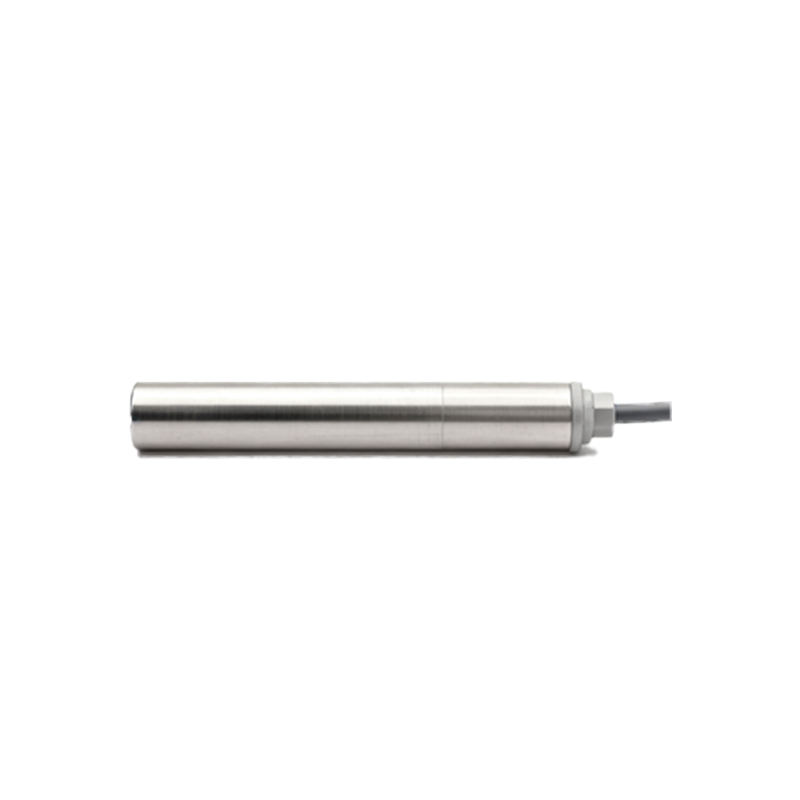
Furthermore, acoustic proximity sensors offer excellent material independence. Whether an object is metallic, plastic, wooden, liquid, or even fabric, as long as it has a surface capable of reflecting sound waves, it can be detected. This universality simplifies system design and integration, removing the need for complex calibration for different target materials. Their typical detection range is versatile, spanning from a few centimeters up to several meters, adaptable based on the transducer's power and frequency.
The application spectrum for acoustic proximity sensors is broad and growing. In the automotive sector, they are integral to parking assistance systems, detecting curbs and obstacles with high reliability in all weather conditions. In consumer electronics, they enable touchless gesture control and power-saving features by detecting when a user's face is close to a smartphone screen during a call. Industrial automation relies on them for precise object counting, loop control on conveyor belts, and jam detection in machinery. Smart home devices use them for hands-free faucet operation, soap dispensers, and automatic toilet flushers, promoting hygiene and conservation. They also play a crucial role in robotics for obstacle avoidance and in healthcare equipment for non-contact monitoring.
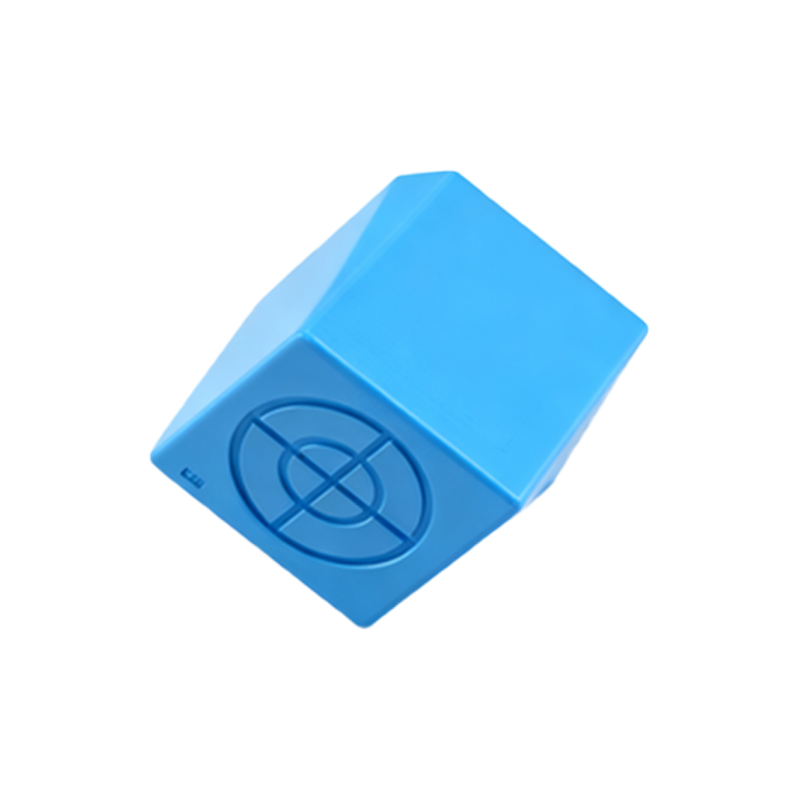
When selecting an acoustic proximity sensor, several key parameters must be considered. The operating frequency, often between 40 kHz and 400 kHz, influences the directivity and minimum detection range; higher frequencies offer tighter beams but shorter ranges. The beam angle determines the detection field's width. Accuracy and resolution define how precise the distance measurement is. Response time is critical for high-speed applications. Modern sensors often come with digital interfaces like I2C or UART, simplifying connectivity with microcontrollers, and feature built-in temperature compensation to correct for the variation in the speed of sound with air temperature, ensuring consistent accuracy.
Looking ahead, the future of acoustic sensing is intertwined with advancements in integrated MEMS (Micro-Electro-Mechanical Systems) transducers, which allow for smaller, lower-power, and more affordable sensors. The integration of advanced signal processing and machine learning algorithms is paving the way for smarter sensors capable of not just detecting presence but also classifying materials or recognizing specific patterns. As the demand for reliable, non-contact interaction grows in the Internet of Things (IoT) and smart device ecosystems, the acoustic proximity sensor stands out as a versatile, resilient, and indispensable tool, silently enabling a more automated and interactive world.