In the fast-paced world of industrial automation and smart devices, speed often reigns supreme. Yet, a quiet revolution is underway, championed by a technology with a deliberately unhurried namesake: the Snail-Type Proximity Sensor. This innovative class of sensors is redefining reliability and precision in non-contact detection, proving that sometimes, the most effective approach is measured and steady.
Unlike their faster, more common counterparts like photoelectric or ultrasonic sensors, the Snail-Type Proximity Sensor operates on a distinct principle of inductive or capacitive sensing with a uniquely damped response. The core innovation lies not in raw speed, but in its exceptional immunity to environmental noise and electrical interference. Imagine a standard inductive sensor rapidly reacting to every minute fluctuation in the electromagnetic field caused by nearby motors, variable frequency drives, or welding equipment. This can lead to false triggers, erroneous data, and system instability. The Snail-Type sensor, by design, incorporates specialized filtering circuits and signal processing algorithms that intentionally "slow down" its response. It effectively ignores these rapid, transient disturbances, only registering a detection when a target object is consistently and reliably within its sensing range. This deliberate pace is its greatest strength, earning it the "snail" moniker for its slow-but-sure operational character.
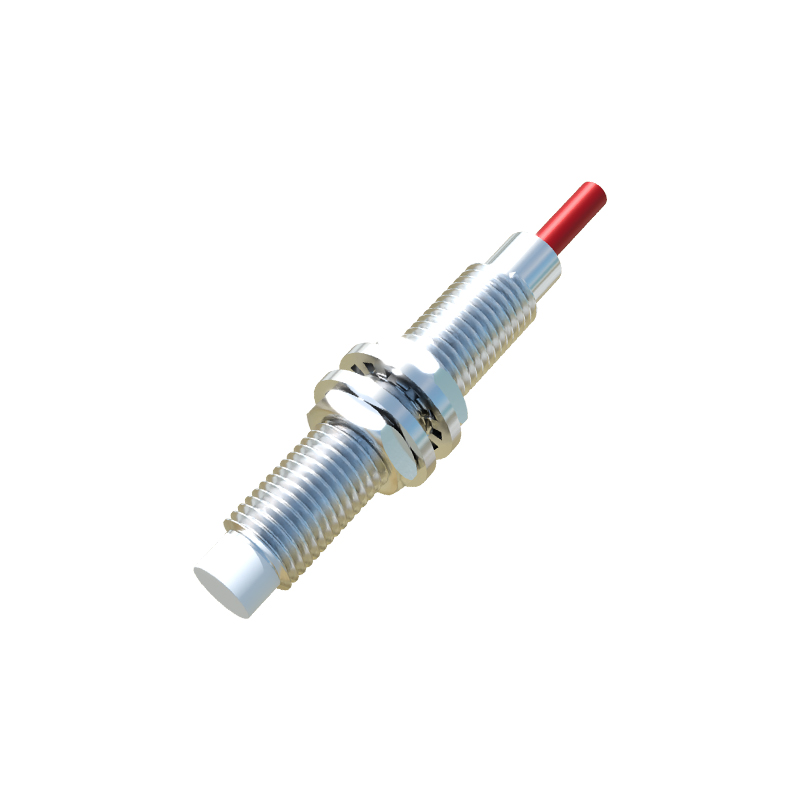
The applications for this robust technology are vast and critical. They are indispensable in harsh industrial environments where electrical noise is omnipresent. For instance, in automotive manufacturing plants, these sensors reliably detect metal components on assembly lines surrounded by robotic welders and large motors. In metal stamping and machining centers, they provide stable position feedback for tooling and parts, unaffected by the sparks and power surges of heavy machinery. Furthermore, their stable performance makes them ideal for safety-critical applications. In automated guided vehicle (AGV) systems, a false signal from a standard sensor could cause a collision. A Snail-Type sensor ensures that obstacle detection is deliberate and accurate, preventing costly accidents. They are also increasingly deployed in outdoor equipment and agricultural machinery, where they must perform reliably despite exposure to moisture, dust, and temperature variations that can plague more sensitive, high-speed sensors.
From a technical standpoint, implementing a Snail-Type Proximity Sensor requires consideration of its specific parameters. The key specification is its response time, which is typically longer than a standard sensor—often in the range of tens of milliseconds versus a few milliseconds. This is not a defect but a defined feature. Engineers must factor this into machine cycle times and control logic. The sensing range is comparable to standard inductive or capacitive models, but the consistency of that range under noisy conditions is superior. Installation follows similar guidelines: ensuring proper mounting, adequate clearance from metal surfaces, and correct alignment with the target. However, the payoff is significantly reduced maintenance and troubleshooting time, as the sensor simply does not react to the common gremlins of the industrial floor.
When comparing Snail-Type sensors to other technologies, their niche becomes clear. Photoelectric sensors are excellent for long-range and non-metal detection but can be fooled by ambient light, dust, or steam. Ultrasonic sensors are great for varied surfaces and harsh environments but can have complex blind zones and be affected by air turbulence. Standard inductive proximity sensors are fast and cost-effective for clean metal detection but are the most susceptible to noise. The Snail-Type sensor sits as the optimal solution where the target is metallic (for inductive types) or non-metallic (for capacitive types), the environment is electrically noisy, and absolute detection reliability trumps the need for microsecond-speed response.
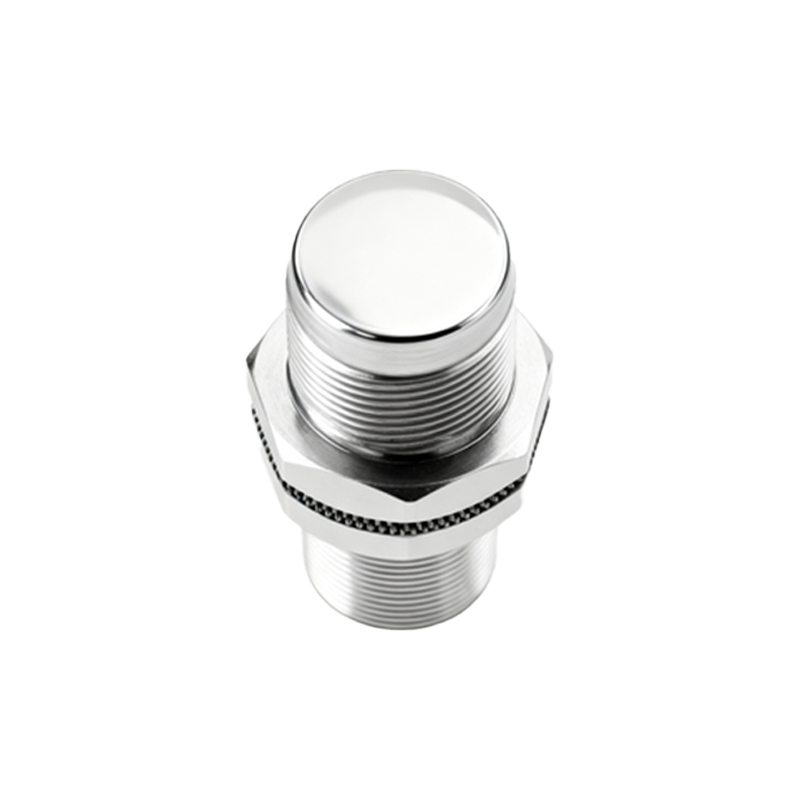
Looking ahead, the future of Snail-Type technology is intertwined with the growth of the Industrial Internet of Things (IIoT) and Industry 4.0. Their inherent stability generates cleaner, more trustworthy data, which is the lifeblood of predictive maintenance and smart factory analytics. As systems become more interconnected, the cost of a single false signal multiplies. The deliberate, interference-resistant nature of the Snail-Type sensor makes it a foundational component for building resilient and intelligent automated systems. It embodies the principle that in the complex ecosystem of modern industry, unwavering reliability, achieved through a methodical and steady approach, is ultimately faster and more efficient than hurried but error-prone alternatives.