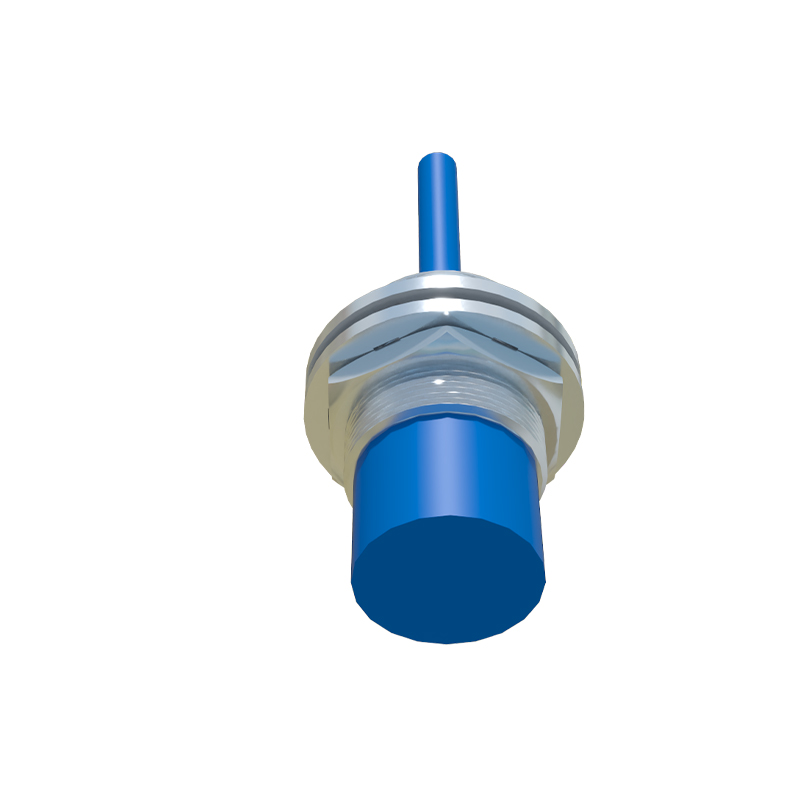
In the realm of industrial automation, robotics, and smart systems, the ability to detect the presence, absence, or position of an object without physical contact is paramount. This critical function is fulfilled by proximity sensors. Among these, high precision proximity sensors stand out as specialized components engineered for applications demanding exceptional accuracy, reliability, and repeatability in detection. Unlike standard sensors that may simply confirm an object's presence, high-precision variants provide detailed data on distance, position, or even the material composition of a target, often with micron-level resolution.
The core technology behind these sensors varies, each suited to specific needs and environmental challenges. Inductive proximity sensors are the workhorses for detecting metallic objects. They generate an electromagnetic field and detect changes caused by a metal target entering this field. High-precision inductive sensors can distinguish between different metals and detect minute positional changes, making them ideal for precise positioning in CNC machinery or robotic arm end-effectors. Capacitive sensors, on the other hand, can detect both metallic and non-metallic materials—liquids, plastics, wood, or glass—by sensing changes in capacitance. Their high-precision versions are crucial in industries like semiconductor manufacturing or packaging, where detecting transparent films or precise fluid levels is necessary.
For the most demanding applications requiring the highest accuracy and speed, laser triangulation sensors are often the solution. These sensors project a laser point onto a target and use a receiver to calculate the distance based on the angle of the reflected light. They offer extraordinary resolution and are unaffected by the target's material or color in many configurations. Similarly, ultrasonic sensors use sound waves to measure distance and can operate effectively in environments with dust, smoke, or vapors that would obscure optical sensors. High-precision ultrasonic sensors are used in challenging conditions, such as in woodworking or bulk material handling, where consistent accuracy is needed despite environmental interference.
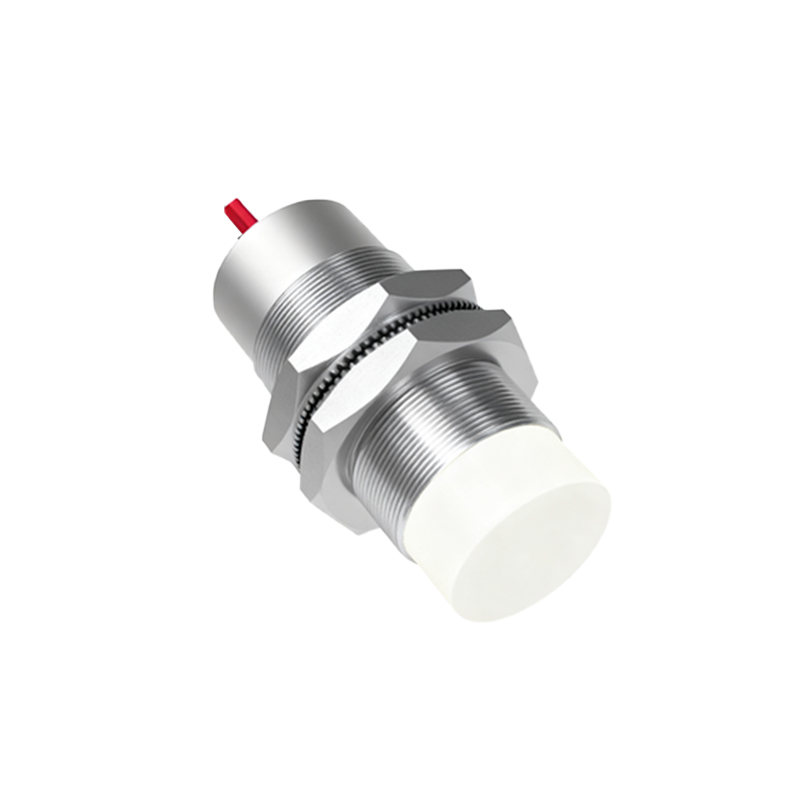
The advantages of deploying high precision proximity sensors are substantial. First and foremost is enhanced operational accuracy. In assembly lines, they ensure components are placed with exact tolerances. In quality control, they can measure dimensions or check for part alignment, rejecting faulty items automatically. This leads directly to improved product quality and reduced waste. Secondly, they contribute significantly to operational safety. By precisely monitoring the position of machine guards, robotic arms, or automated guided vehicles (AGVs), they can trigger emergency stops or warnings to prevent collisions and protect personnel. Furthermore, their reliability and speed enable higher throughput and efficiency in manufacturing processes, reducing cycle times and boosting overall productivity.
Selecting the appropriate high-precision sensor requires careful consideration of several factors. The sensing range, or the distance at which the sensor can reliably detect the target, must match the application. The required resolution and repeatability—how small a change it can detect and how consistently it can do so—are defining specifications. Environmental conditions are critical; sensors may need to withstand extreme temperatures, washdowns (IP ratings), or exposure to oils and chemicals. The target material's properties—its size, shape, color, and surface texture—also heavily influence the choice of technology. Finally, the output signal (analog voltage/current, digital IO, or serial communication like IO-Link) must be compatible with the control system for seamless integration.
The integration of these sensors is increasingly supported by digital communication protocols. IO-Link, a point-to-point serial communication protocol, is becoming a standard feature. It allows for parameterization, real-time data monitoring, and advanced diagnostics directly from the controller. This "smart sensor" capability enables predictive maintenance, where potential issues can be identified before they cause downtime, and simplifies device replacement and setup.
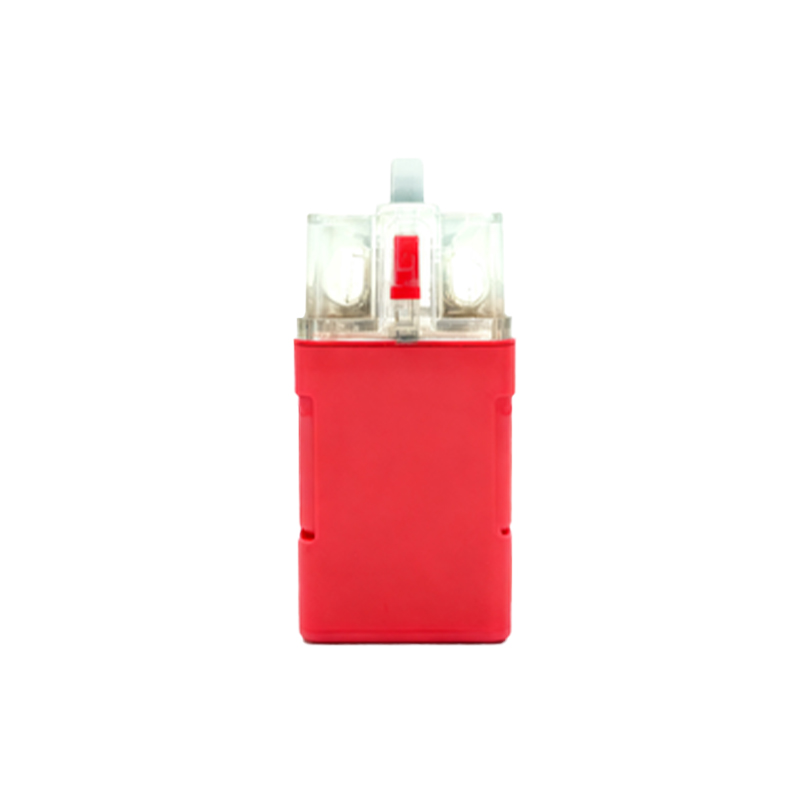
Looking forward, the evolution of high precision proximity sensors is intertwined with Industry 4.0 and the Industrial Internet of Things (IIoT). Sensors are no longer isolated detection devices but intelligent data points within a networked ecosystem. They provide the granular, real-time data necessary for digital twins, advanced process optimization, and fully adaptive manufacturing systems. As machine vision and AI algorithms advance, sensor fusion—combining data from proximity sensors with cameras and other sensors—will unlock even more sophisticated capabilities for quality inspection and autonomous operation.
In conclusion, high precision proximity sensors are indispensable enablers of modern automation. By providing accurate, reliable, and contactless feedback, they form the sensory foundation upon which efficient, safe, and intelligent industrial systems are built. Their continued technological refinement ensures they will remain at the forefront of innovation, driving progress in manufacturing, robotics, and beyond.