Proximity sensors are essential components in modern industrial automation, providing non-contact detection of objects without physical interaction. These devices enhance efficiency, safety, and reliability across various applications. Here are practical examples illustrating their diverse uses.
In automotive manufacturing, inductive proximity sensors detect metal components on assembly lines. For instance, they verify the presence of engine blocks or wheel hubs, ensuring precise positioning before robotic arms perform welding or installation. Capacitive sensors handle non-metallic materials, such as detecting glass windshields or plastic dashboards during conveyance. This prevents jams and maintains production flow.
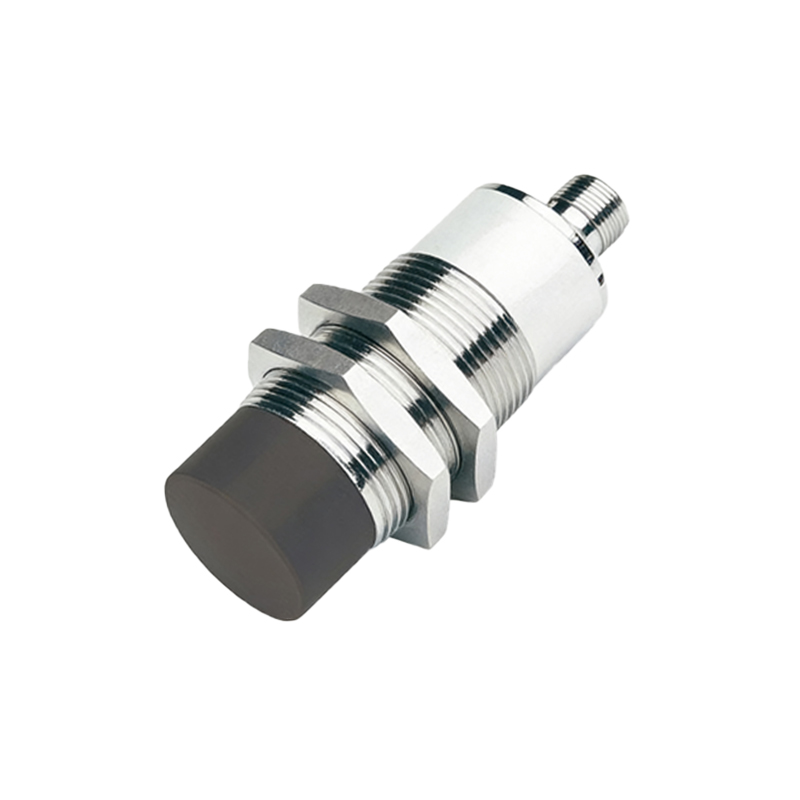
Packaging industries rely heavily on proximity sensors for quality control. On bottling lines, sensors identify misaligned caps or missing labels, triggering reject mechanisms to remove defective items. Magnetic proximity sensors monitor conveyor belt speeds, synchronizing filling and capping machines to prevent spills. In food packaging, sensors detect foil seals or cardboard boxes, confirming proper sealing before shipment.
Material handling systems use ultrasonic proximity sensors to manage inventory in warehouses. These sensors measure distances to pallets on racks, enabling automated cranes to locate and retrieve goods accurately. In automated guided vehicles (AGVs), sensors detect obstacles, preventing collisions and optimizing navigation paths through facilities.
Machine safety is another critical area. Safety light curtains, incorporating arrays of infrared proximity sensors, create invisible barriers around hazardous machinery. If a worker’s hand breaches the curtain, the system immediately halts equipment, reducing injury risks. Similarly, sensors monitor guard door positions, ensuring presses or cutters operate only when fully secured.
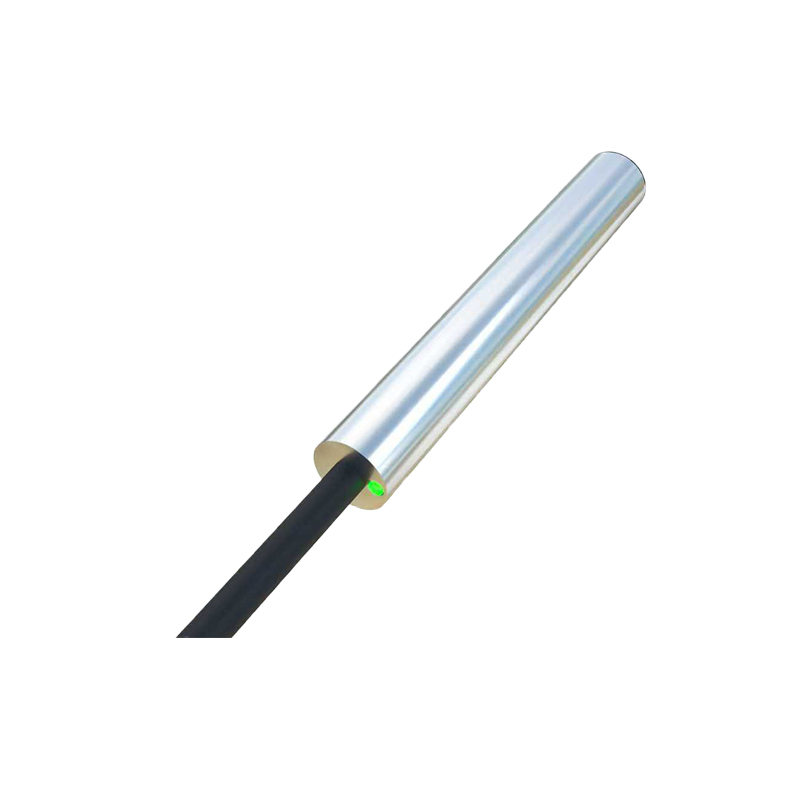
In the electronics sector, proximity sensors align circuit boards during soldering. They detect minute components like resistors or chips, guiding placement robots with micron-level precision. For consumer devices, sensors enable touchless interfaces, such as automatic faucets in public restrooms or hand-dryers that activate when hands approach.
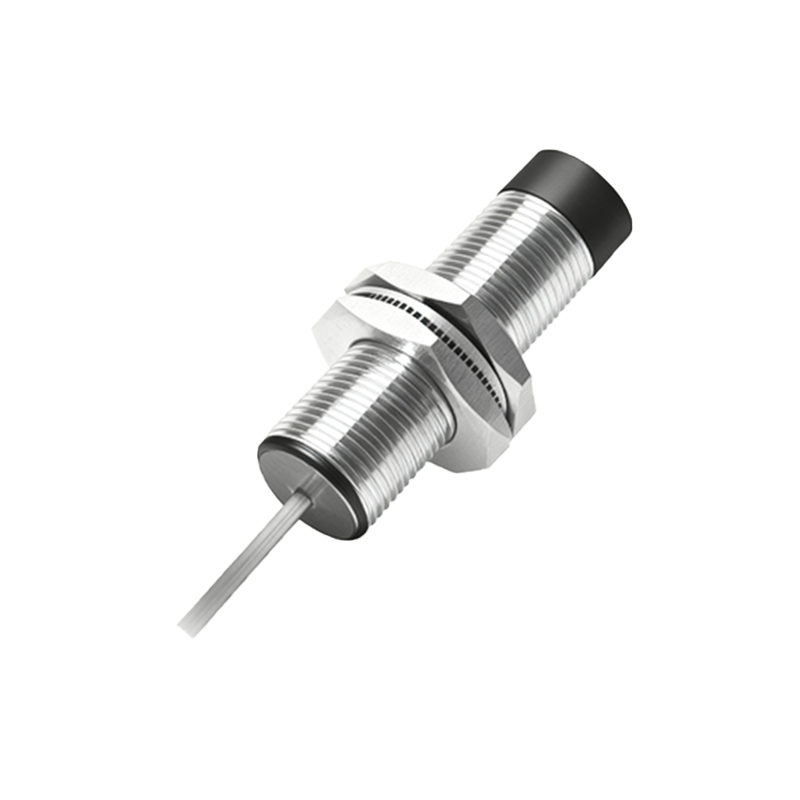
Agricultural automation benefits from proximity sensors in irrigation systems. Sensors monitor soil moisture levels, triggering water valves when dryness is detected, conserving resources. In livestock farming, sensors track animal movements, automating feeding gates or milking machines based on proximity.
Overall, proximity sensors streamline operations by enabling real-time, contactless detection. Their adaptability to metals, plastics, liquids, and organic materials makes them indispensable in today’s automated world, driving productivity while minimizing downtime and human error.