Proximity sensors are ubiquitous in modern technology, operating silently in the background to enhance safety, convenience, and functionality. These devices detect the presence or absence of nearby objects without any physical contact, typically using electromagnetic fields, infrared radiation, or sound waves. Their applications span from simple household gadgets to complex industrial machinery. Here are several concrete examples illustrating how proximity sensors integrate into daily life and various industries.
One of the most common encounters with a proximity sensor is in a smartphone. When you make a phone call and place the device near your ear, the screen turns off. This action is triggered by a small infrared (IR) proximity sensor located near the earpiece. It detects the closeness of your head and signals the system to disable the touchscreen, preventing accidental cheek-presses and saving battery life. Similarly, many phones use this sensor to disable display during notifications when inside a pocket or bag.
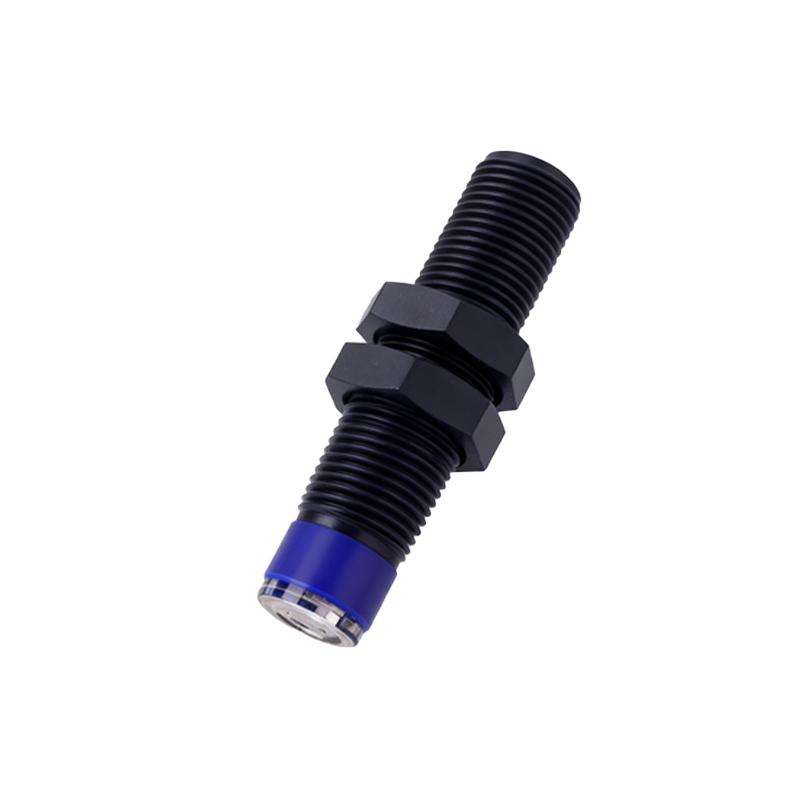
In the automotive sector, proximity sensors are critical for safety and parking assistance. Modern vehicles are equipped with ultrasonic sensors embedded in the front and rear bumpers. These sensors emit high-frequency sound waves and measure the time it takes for the echo to return. When reversing, the system calculates the distance to obstacles and provides audible beeps that increase in frequency as the vehicle gets closer, often visualized on the infotainment screen. This technology, known as a Parking Assist System, has significantly reduced low-speed collision risks.
Another widespread application is in retail and public restrooms. Automatic faucets, soap dispensers, and hand dryers utilize infrared proximity sensors. A user places their hands under the faucet, interrupting an IR beam. The sensor detects this change and activates the water valve. This touchless operation promotes hygiene, conserves water by ensuring flow only when needed, and reduces maintenance.
Industrial automation heavily relies on robust inductive or capacitive proximity sensors for process control and safety. On a conveyor belt in a manufacturing plant, an inductive sensor can detect the passage of metal components. It ensures parts are correctly positioned for the next assembly stage. If a component is missing, the sensor sends a signal to halt the line, preventing errors. Capacitive sensors, which can detect non-metallic materials like plastic, wood, or liquids, are used in packaging to verify the presence of a filled bottle before capping.
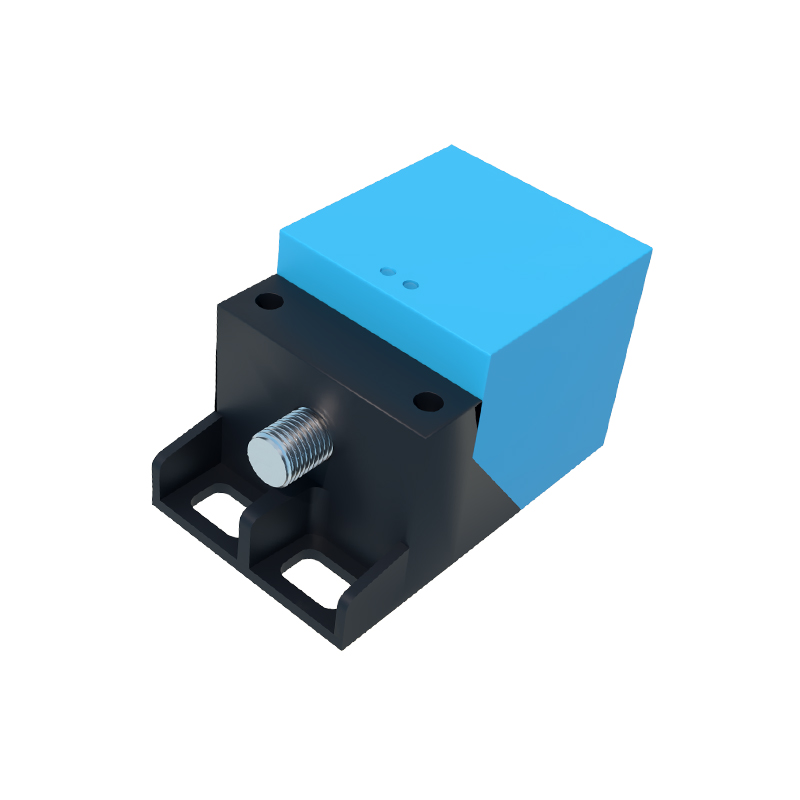
Home security systems incorporate proximity sensors in door and window contacts. These are often magnetic reed switches—a simple form of proximity sensor. When a door is closed, a magnet on the door aligns with a switch on the frame, keeping the circuit closed. Opening the door moves the magnet away, breaking the circuit and triggering the alarm. More advanced systems use passive infrared (PIR) sensors for motion detection, which sense changes in infrared radiation caused by a moving person.
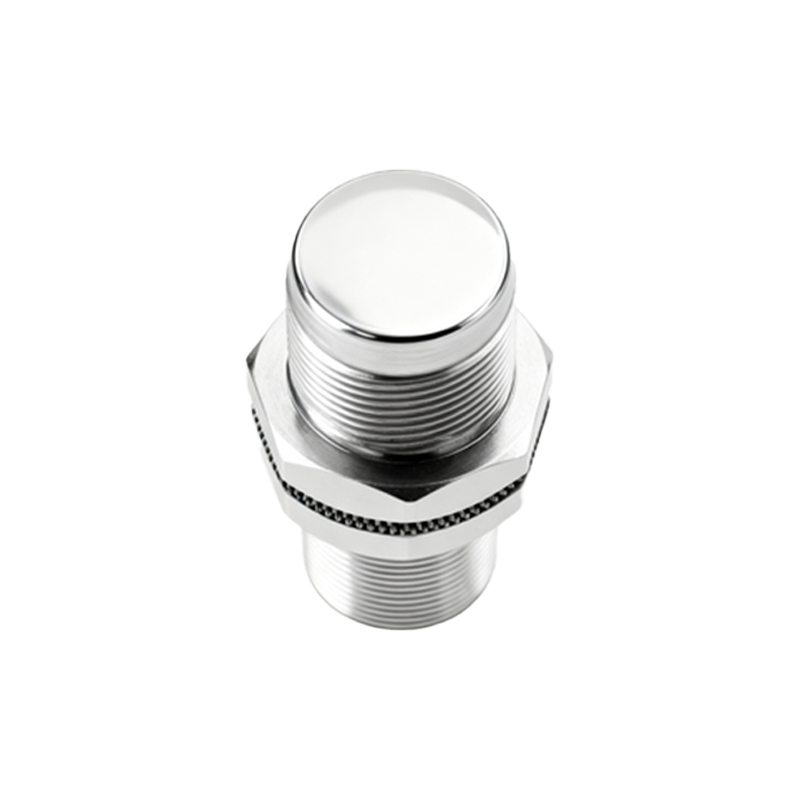
In the realm of robotics, proximity sensors are the "eyes" for basic obstacle avoidance. Autonomous vacuum cleaners, like the popular Roomba, use a combination of infrared and bump sensors to map rooms and navigate around furniture. The IR sensor detects obstacles from a short distance, allowing the device to slow down and turn before making physical contact, while the bump sensor acts as a backup for direct collisions.
Even in lighting, proximity sensors contribute to energy efficiency. Automatic lighting in hallways, storage rooms, or office buildings often uses PIR motion sensors. These detect human movement within a specific range and turn lights on, then off after a period of inactivity. This eliminates energy waste from lights being left on in unoccupied spaces.
The examples above demonstrate the versatility of proximity sensing technology. From the simple magnetic switch securing a home to the sophisticated ultrasonic array guiding a car, these sensors provide critical data that makes devices smarter, safer, and more efficient. Their continued evolution promises even deeper integration into the Internet of Things (IoT), enabling smarter environments that seamlessly respond to human presence.