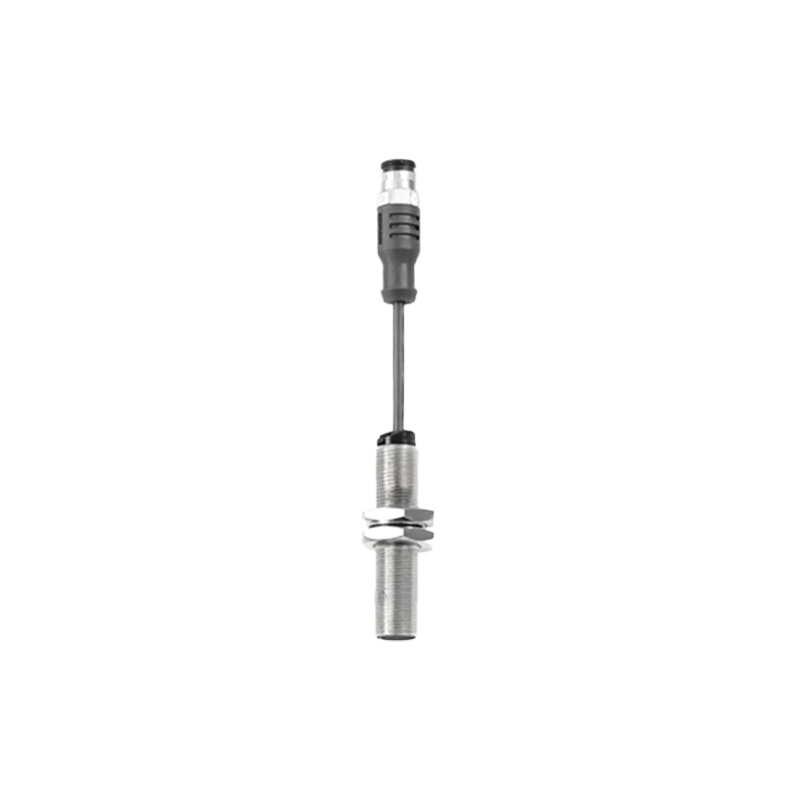
In the realm of electronic sensing, proximity sensor modules stand as fundamental components enabling devices to detect the presence or absence of nearby objects without physical contact. These compact, integrated units combine a sensor element with supporting circuitry, offering a ready-to-use solution for a vast array of applications. Their operation is primarily based on detecting changes in an electromagnetic field or a beam of radiation, with common technologies including infrared (IR), inductive, capacitive, and ultrasonic sensing.
Infrared proximity modules typically consist of an IR LED emitter and a photodiode or phototransistor receiver. The module emits an invisible infrared light beam. When an object comes within range, it reflects the light back to the receiver, triggering a detection signal. These modules are cost-effective and widely used but can be susceptible to ambient light interference. Modern versions often incorporate modulation techniques and filters to mitigate this issue. Inductive proximity sensors, on the other hand, generate an oscillating electromagnetic field. They are exclusively for detecting metallic objects. When a metal target enters this field, it induces eddy currents, causing a change in the oscillation amplitude that the module's circuit detects. These are robust, reliable for industrial environments, and unaffected by dust or oil.
Capacitive sensor modules can detect both metallic and non-metallic materials, including liquids, powders, and plastics. They work by measuring changes in capacitance. The sensor forms one plate of a capacitor, with the target object acting as the other plate. As the object approaches, the capacitance increases, and the module's oscillator circuit triggers at a specific threshold. This makes them versatile for level sensing or touch interfaces. Ultrasonic modules utilize sound waves beyond human hearing. They calculate distance by measuring the time interval between emitting an ultrasonic pulse and receiving its echo. While effective for longer ranges and various materials, their performance can be affected by the object's sound absorption properties and environmental factors like temperature and air turbulence.
The integration of these sensors into a "module" is a key advantage. A raw sensor element requires careful design of supporting components: signal amplifiers, oscillators, comparators, and output drivers. A proximity sensor module packages all this into a single, calibrated unit. It often provides a simple digital or analog output signal, such as a voltage that varies with distance or a simple high/low logic signal indicating presence within a set range. This dramatically simplifies implementation for engineers and hobbyists, reducing development time and complexity.
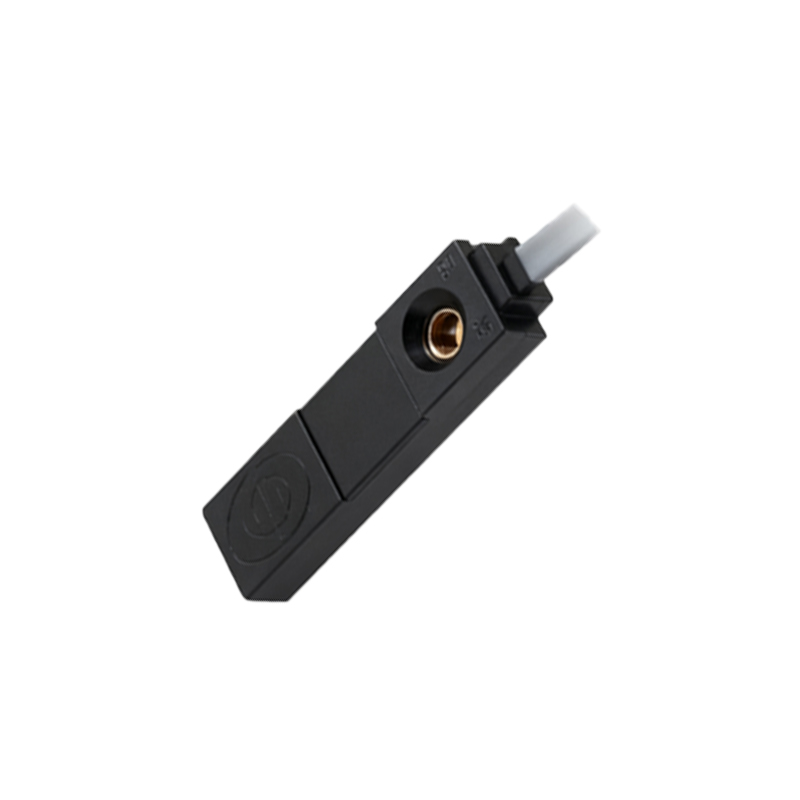
Applications for these modules are extraordinarily diverse. In consumer electronics, they are ubiquitous for smartphone screen blanking during calls, saving power and preventing accidental touches. In automotive systems, they enable touchless trunk opening, parking assistance, and collision avoidance features. Industrial automation relies heavily on them for object counting, position verification, machine safety guarding, and robotic guidance. Home appliances use them for touchless faucets, soap dispensers, and automatic doors. Even the Internet of Things (IoT) ecosystem incorporates these modules for smart presence detection in lighting, security, and energy management systems.
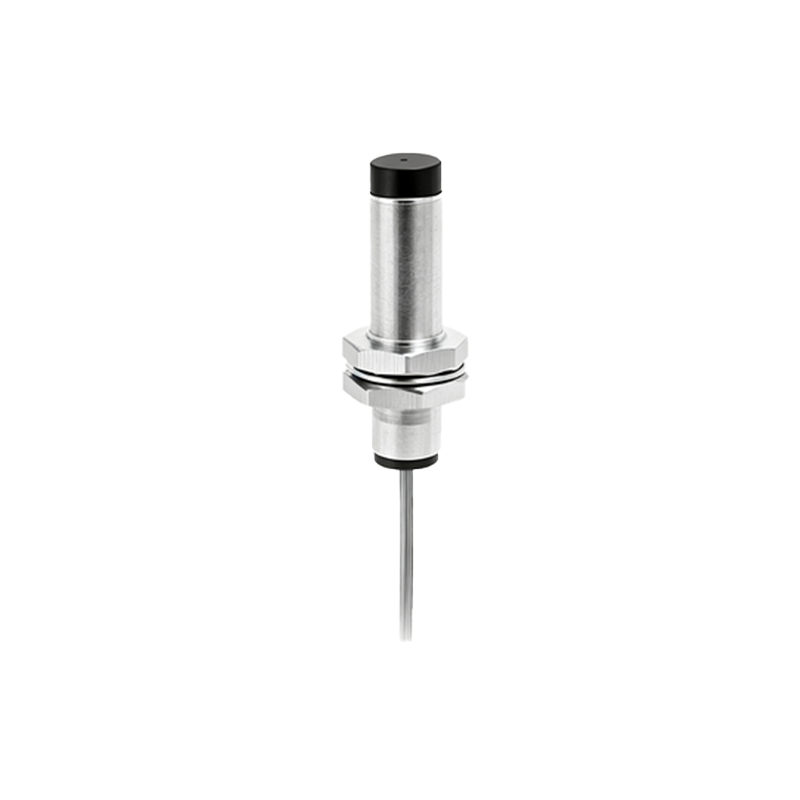
Selecting the right proximity sensor module requires careful consideration of several parameters. The sensing range is primary, varying from a few millimeters to several meters depending on the technology. The target material dictates the choice: inductive for metals, capacitive for a broader range, IR for solid objects, and ultrasonic for most materials including transparent ones. Environmental conditions like temperature, humidity, and the presence of contaminants (dust, water, oil) must align with the module's ingress protection (IP) rating. Response time is critical for high-speed applications, while the output type (NPN/PNP, analog, I2C) must be compatible with the host controller. Finally, physical factors like size, mounting style, and whether a background suppression feature is needed (to ignore distant objects) complete the selection criteria.
As technology advances, proximity sensor modules are becoming smarter, smaller, and more energy-efficient. Trends include the integration of multiple sensing technologies (sensor fusion) in a single package for higher reliability, enhanced digital interfaces for easier connectivity, and lower power consumption for battery-operated devices. Their role as the essential "eyes" of automated and interactive systems continues to expand, solidifying their position as a cornerstone of modern electronic design. By understanding their operating principles and key specifications, designers can effectively harness their capability to create more intuitive, efficient, and intelligent products across all industries.