Hall effect proximity sensors have become indispensable components across modern industrial and consumer applications due to their non-contact operation, high reliability, and versatility. Unlike mechanical switches, these solid-state devices detect the presence or absence of a magnetic field, typically generated by a permanent magnet or an electromagnet, without physical contact. This fundamental principle eliminates wear and tear, ensuring long operational life even in harsh environments with dust, moisture, or vibrations.
In automotive systems, Hall sensors are critical for safety and performance. They monitor wheel speed for anti-lock braking systems (ABS), detect gear position in transmissions, and serve as crankshaft and camshaft position sensors for precise engine timing. Electric vehicles extensively use them in battery management systems to monitor current flow via Hall-effect current sensors. The non-contact nature prevents spark risks, enhancing safety in flammable environments.
Industrial automation heavily relies on these sensors for position feedback in linear and rotary actuators, end-of-travel detection in conveyor systems, and as part of safety interlocks on machinery guards. In material handling, they detect the presence of metallic objects or count items on production lines. Manufacturing equipment uses them to verify part placement in assembly jigs or to confirm robotic arm positions, ensuring repeatability in high-speed operations.
Consumer electronics integrate miniature Hall sensors for intuitive user interfaces. Laptops and flip phones use them to detect lid or cover closure, triggering sleep mode. In smartphones and tablets, they enable auto-rotate screen functions by sensing the device's orientation relative to Earth's magnetic field. Gaming controllers and joysticks employ them for accurate, wear-free potentiometer replacement in thumbsticks or trigger mechanisms.
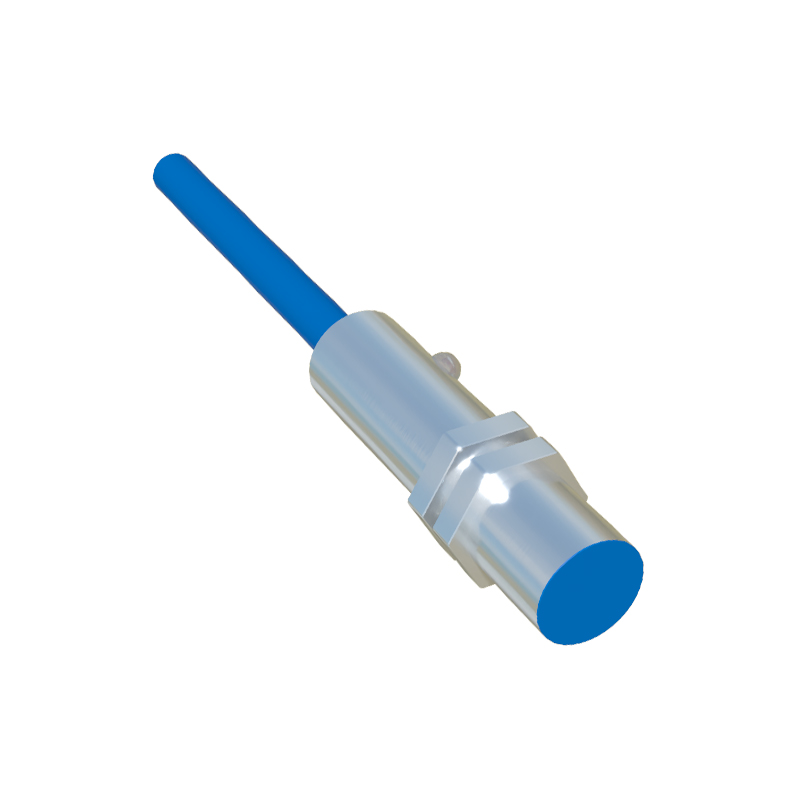
Renewable energy systems, particularly wind turbines, utilize robust Hall proximity sensors for monitoring blade pitch and yaw position, ensuring optimal alignment with wind direction. They also provide feedback in solar tracking systems, adjusting panel angles for maximum sunlight exposure throughout the day.
Medical device manufacturers value Hall sensors for their cleanliness and precision. They are found in infusion pumps for detecting door closure and cassette presence, in surgical robots for joint position feedback, and in MRI-compatible equipment where traditional metal sensors would interfere.
The agriculture sector adopts these sensors in automated machinery for seed counting, implement height control, and guidance systems on tractors. Their immunity to dirt and debris makes them suitable for outdoor farming equipment.
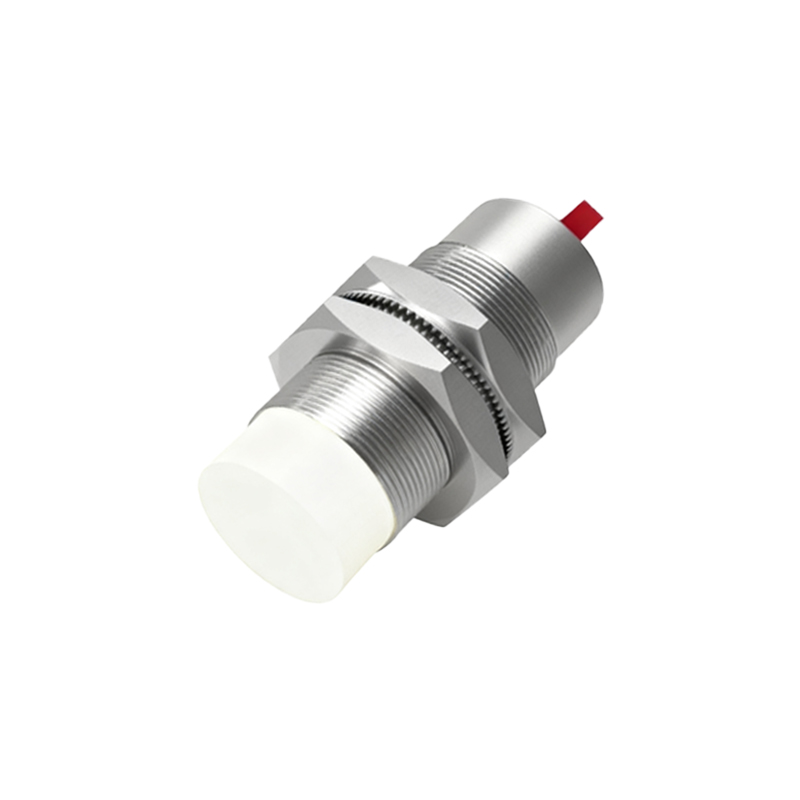
Emerging applications include smart home systems, where they detect window/door openings for security, and in electric bicycle pedal-assist systems to measure crank rotation. As Industry 4.0 advances, Hall sensors are increasingly integrated with IoT connectivity, providing real-time operational data for predictive maintenance and process optimization.
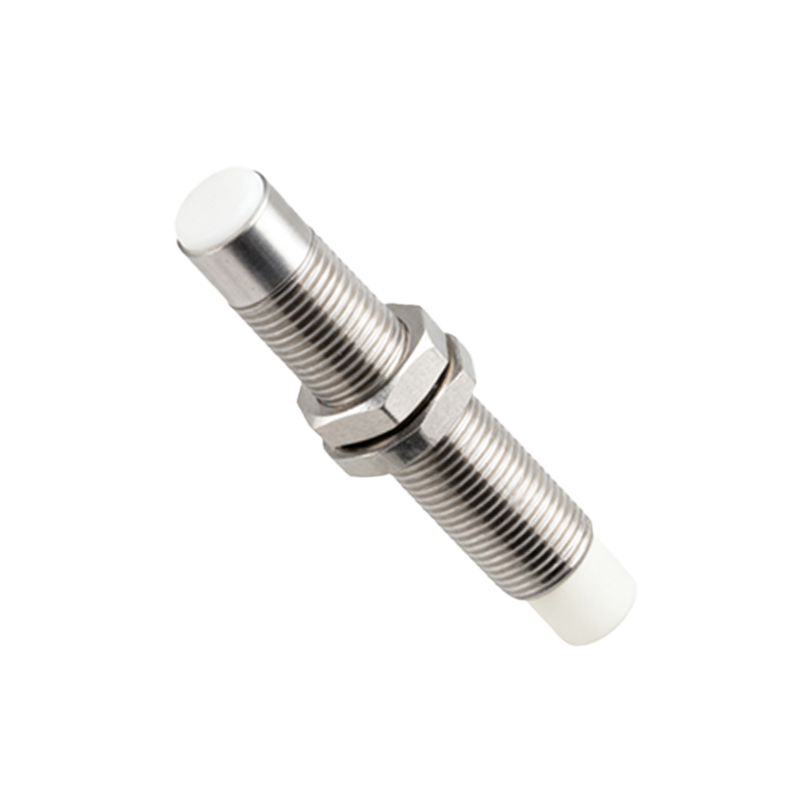
Selection criteria for engineers include sensing distance, output type (digital or analog), supply voltage, temperature range, and packaging. Shielded variants offer precise sensing at short ranges, while unshielded types provide longer detection distances. With continued miniaturization and cost reduction, Hall effect proximity sensors will further penetrate new markets, solidifying their role as a foundational sensing technology.