In the world of industrial automation, robotics, and consumer electronics, proximity sensors are indispensable components. Their primary function is to detect the presence or absence of an object within a specific range without physical contact. While factors like sensing technology (inductive, capacitive, ultrasonic, photoelectric), detection range, and output type are often the first considerations, the physical size and form factor of the sensor are equally critical for successful integration. The dimensions of a proximity sensor directly influence its applicability, mounting requirements, and performance in space-constrained environments.
The size specifications of a proximity sensor are typically defined by several key parameters: the housing diameter (or body size), length, thread specifications, and the dimensions of the sensing face. For cylindrical inductive sensors, which are among the most common, the housing diameter is a primary identifier. Standard metric diameters include M5, M8, M12, M18, and M30. The "M" denotes a metric thread, and the number indicates the nominal diameter in millimeters. For instance, an M8 sensor has an 8mm diameter threaded barrel. Similarly, imperial sizes like ⅜ inch or ½ inch are also available. A smaller M5 sensor is ideal for tight spaces in miniature assemblies or small machinery, while a larger M18 or M30 sensor might be chosen for more robust applications requiring longer sensing distances or tougher environmental protection.
The length of the sensor body is another vital dimension. It must be considered in relation to the available depth in the mounting location. A sensor that is too long may protrude into a moving assembly, causing damage. Conversely, a sensor that is too short might not reach the optimal sensing position. Manufacturers offer variants in standard, short-body, and long-body designs within the same diameter family to provide flexibility.
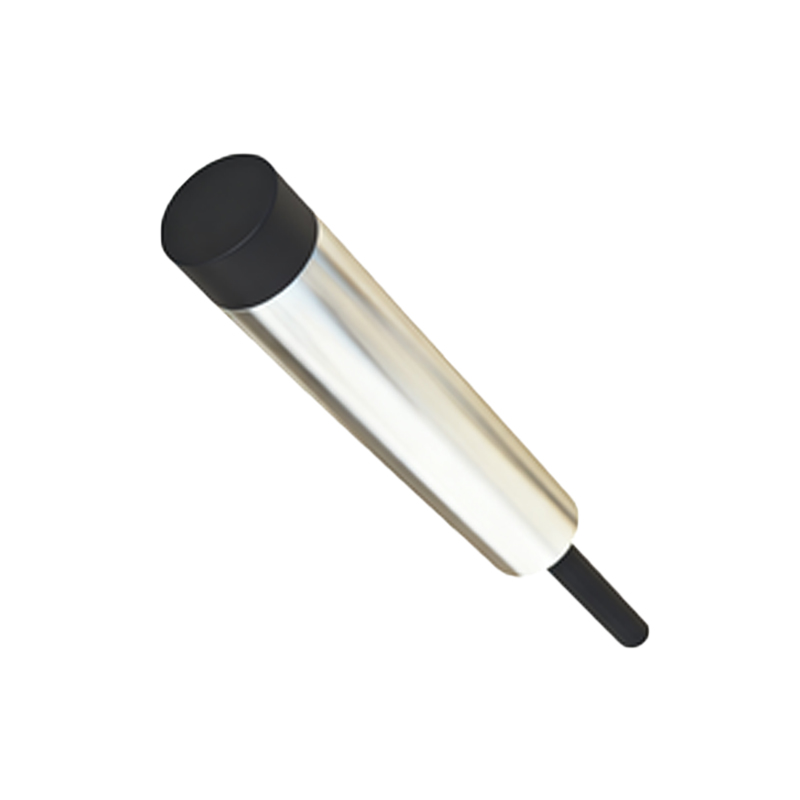
Beyond the cylindrical form, rectangular or block-style proximity sensors are prevalent, especially in photoelectric and ultrasonic types. Their size is specified by length, width, and height (L x W x H). These sensors often provide more surface area for internal electronics and can house advanced features, but their rectangular shape requires different mounting considerations, such as bracket or slot mounting.
The size of the sensing face itself is crucial. In cylindrical inductive sensors, the sensing face is typically the flat end of the cylinder. The effective sensing distance is correlated with the diameter of this face; generally, a larger sensing face allows for a longer nominal sensing range. However, the sensor must be mounted so that this face is properly oriented toward the target. Flush-mountable or shielded sensors have their sensing coil recessed, allowing them to be embedded in metal without triggering on the surrounding material. Non-flush (unshielded) sensors have an exposed coil and offer longer ranges but require a non-metallic surround.
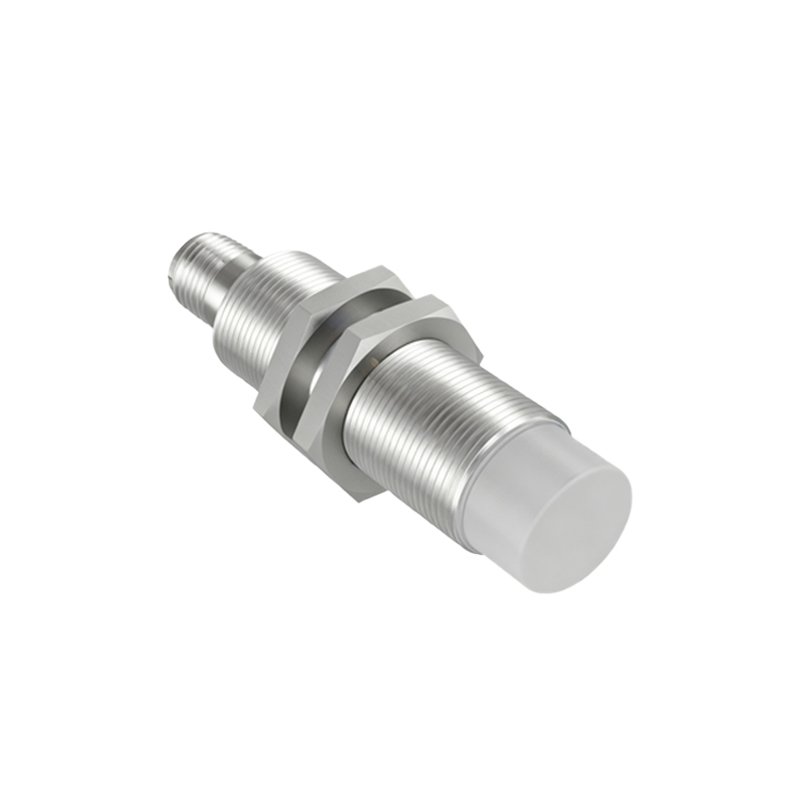
Miniaturization is a significant trend driving proximity sensor design. The demand for ever-smaller M3, M4, and M5 sensors continues to grow with the proliferation of compact machinery, semiconductor manufacturing equipment, and consumer devices like smartphones (where tiny IR proximity sensors are used). These miniature sensors push the limits of manufacturing precision but offer detection capabilities where space is at an absolute premium.
Selecting the correct size is a balancing act. Engineers must cross-reference the mechanical dimensions with the electrical and sensing specifications. A datasheet provides the complete picture: the body dimensions, thread pitch, mounting nut dimensions, required panel cutout size (for flush mounting), and the exact position of the electrical connections (connector or cable exit). Ignoring these details can lead to installation headaches, interference from adjacent metal, or failure to achieve the advertised sensing performance.
In conclusion, paying close attention to proximity sensor size specifications—diameter, length, thread type, and sensing face geometry—is not a mere mechanical afterthought. It is a fundamental step in the selection process that ensures reliable detection, seamless integration into the mechanical design, and ultimately, the flawless operation of the automated system. Always consult the manufacturer's detailed dimensional drawings alongside the electrical characteristics to make an informed choice.