In the world of industrial automation and precise control, the ability to detect the presence or absence of an object without physical contact is paramount. Among the diverse family of non-contact sensors, piezo proximity sensors stand out for their unique operating principle and robust capabilities. Unlike inductive, capacitive, or optical sensors, these devices leverage the piezoelectric effect to fulfill specific and often challenging detection tasks.
The core of a piezo proximity sensor is a piezoelectric element, typically a ceramic crystal. This material possesses a fascinating property: it generates a small electrical voltage when subjected to mechanical stress or vibration. The sensor is designed to exploit this phenomenon. It is often housed in a rugged casing and mounted in direct contact with, or very close to, the material or surface to be monitored. When the target object comes into proximity or makes contact, it induces minute vibrations or changes in pressure on the piezoelectric element. These mechanical disturbances are instantly converted into an electrical signal. This signal is then processed by an integrated electronic circuit, which amplifies it and triggers a clean, digital output switch—typically a PNP or NPN transistor signal—to indicate detection.
This fundamental principle grants piezo proximity sensors a distinct set of advantages. First and foremost is their exceptional reliability in detecting virtually any material. Since they react to physical force or vibration, they are indifferent to the target's color, transparency, or electrical/magnetic properties. They can reliably detect clear glass, black rubber, metallic chips, or liquid droplets with equal efficacy. Secondly, they are highly resistant to environmental interference. Common nuisances for other sensors, such as dust, dirt, oil, coolant mist, or strong ambient light, have minimal to no effect on a properly installed piezo sensor. Their solid-state design with no moving mechanical parts (in the sensing element) also contributes to long-term durability and a virtually maintenance-free lifecycle.
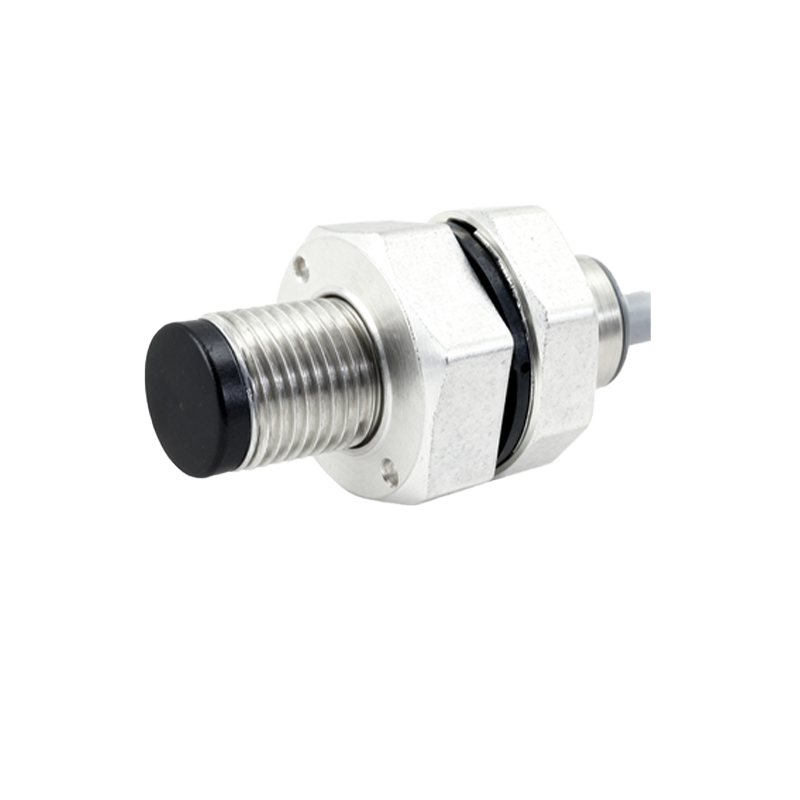
The applications for piezo proximity sensors are specialized yet critical across several industries. A primary use case is in vibration monitoring and part presence detection in harsh machining environments. For instance, they are extensively used on CNC lathes or milling centers to confirm that a workpiece is properly seated in a chuck or fixture before machining begins. They can detect the breakage of a small drill bit by sensing the cessation of characteristic vibration. In assembly lines, they verify if a component has been correctly inserted or placed. Another significant application is in bulk material handling and level detection. Mounted on the outside of silos, hoppers, or pipes, they can detect the presence or absence of material based on the vibration damping caused by the contents, offering a simple solution for high, low, or plug-level detection without direct contact with the material itself.
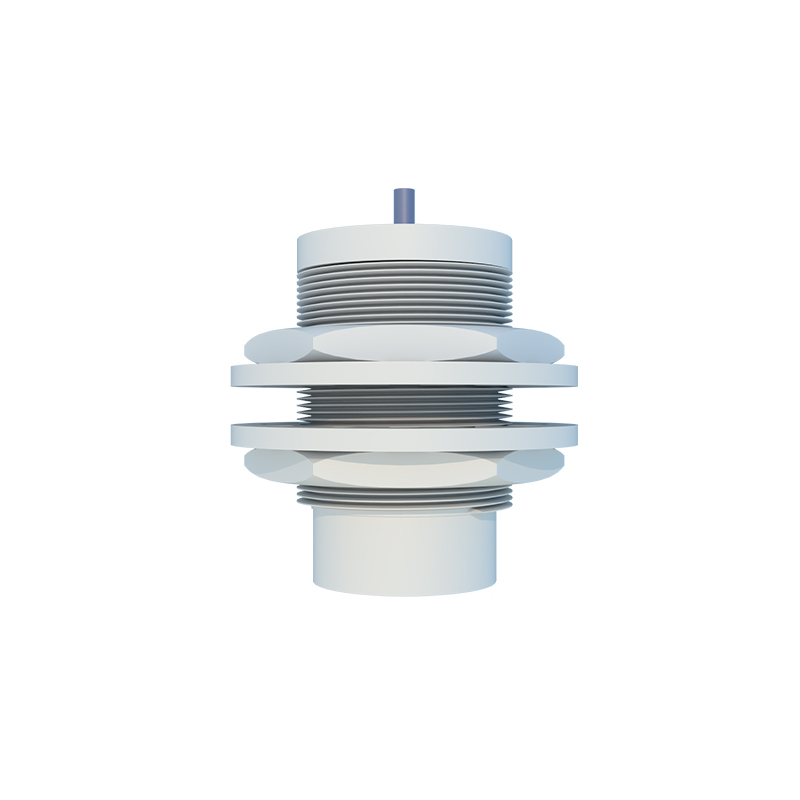
Selecting the right piezo proximity sensor requires careful consideration of a few key parameters. The sensing range is typically very short, often in the millimeter range for direct contact detection or slightly more for vibration-through-material detection. The output type must match the control system's input card (e.g., 3-wire DC PNP/NPN). Environmental ratings are crucial; look for sensors with high IP (Ingress Protection) ratings like IP67 or IP69K for washdown or outdoor use, and robust temperature ratings if deployed in hot or cold settings. Finally, the mounting style and housing material (often stainless steel) must be suitable for the mechanical and chemical environment.
In conclusion, piezo proximity sensors fill a vital niche in the sensor ecosystem. Their material-agnostic detection, environmental toughness, and simple, robust operation make them an indispensable tool for engineers facing detection challenges where conventional sensors fail. By converting minute mechanical events into reliable electrical signals, they provide the critical feedback needed to ensure process integrity, safety, and automation efficiency in demanding industrial applications.