In the realm of industrial automation and machinery, the ability to detect the presence or absence of an object without physical contact is paramount. Among the various technologies that enable this, the circular proximity switch sensor stands out for its reliability, durability, and versatility. This guide delves into the operational principles, key types, and diverse applications of these essential components.
At its core, a circular proximity switch sensor is a non-contact sensing device designed to detect metallic or, in some variants, non-metallic objects within a specified range. As the name suggests, these sensors typically feature a cylindrical or circular housing, which is a common form factor for easy mounting in drilled holes or standard fixtures. The fundamental principle behind their operation is electromagnetic induction for inductive types and capacitive field changes for capacitive types.
Inductive proximity sensors are the most prevalent circular variants. They generate an oscillating electromagnetic field from a coil located at the sensing face. When a metallic object enters this field, eddy currents are induced on the object's surface. This causes a change in the oscillation amplitude, which is detected by the sensor's internal circuitry. This detection triggers a solid-state switch, changing the output state (e.g., from OFF to ON). These sensors are exceptionally robust, immune to environmental factors like dust, oil, and moisture (given appropriate IP ratings), and are ideal for detecting metals such as steel, aluminum, and copper, albeit with varying sensing distances.
Capacitive proximity sensors, also in circular housies, operate on a different principle. They generate an electrostatic field. Any object, metallic or non-metallic (like plastic, wood, or liquid), that enters this field alters its capacitance. The sensor detects this change and triggers its output switch. This makes capacitive sensors highly versatile for applications beyond metal detection, such as level sensing for liquids or granular materials, or detecting filled containers.
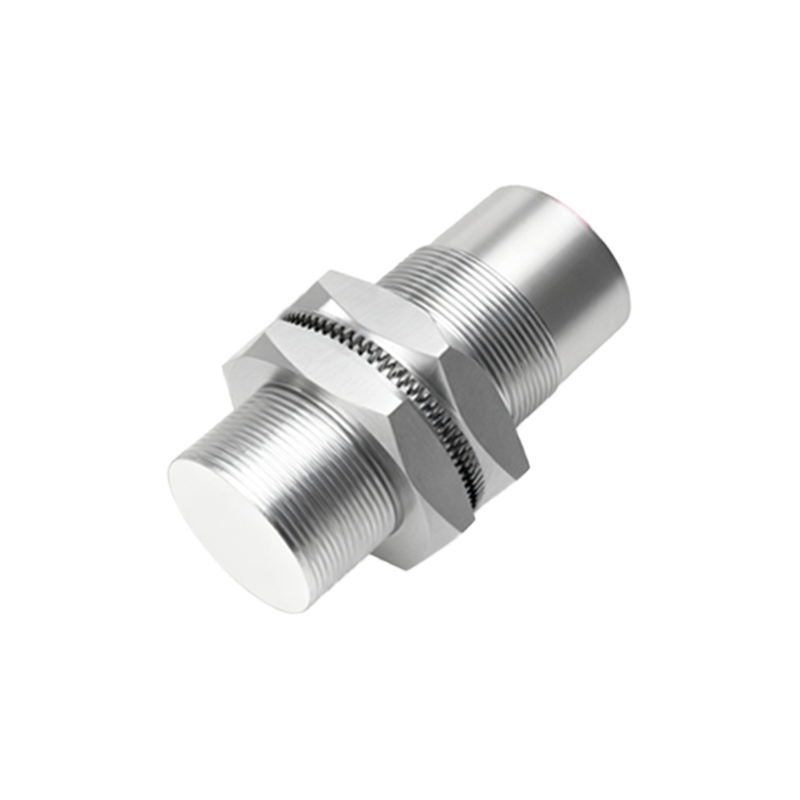
Key specifications define a circular proximity sensor's suitability for an application. The sensing distance, or "sn," is a critical parameter, typically ranging from a few millimeters to several tens of millimeters for standard models. The housing material, often stainless steel, nickel-plated brass, or PBT plastic, determines its resistance to chemicals and physical impact. The output type is another vital consideration; sensors can provide digital outputs like NPN, PNP, or Namur, or analog outputs (4-20mA, 0-10V) for distance-proportional signaling. The connection is usually via a pre-attached cable or a quick-disconnect connector.
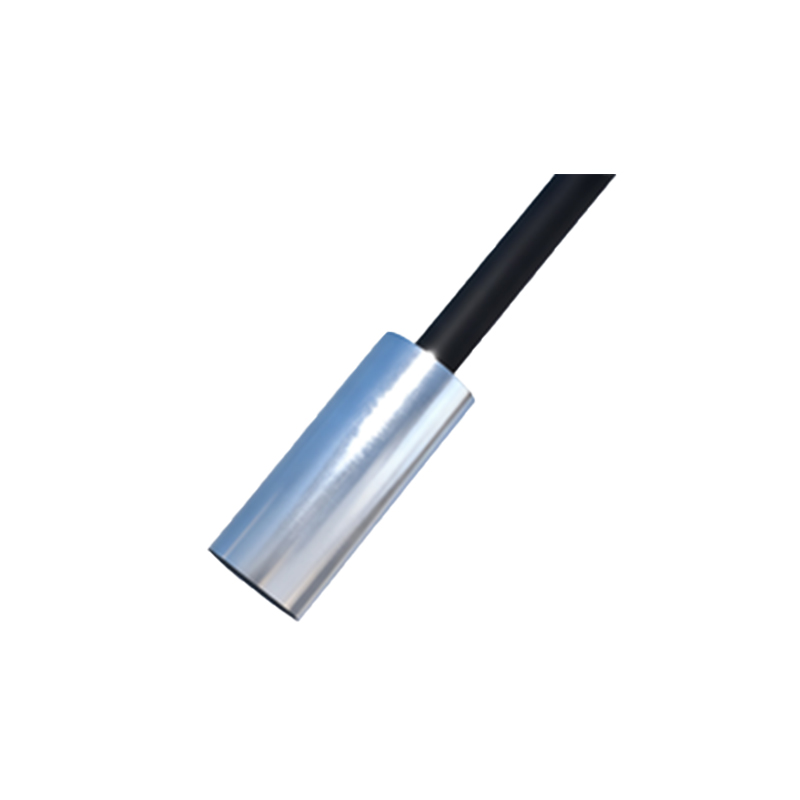
The applications for circular proximity switches are vast and span nearly every industry. In automotive manufacturing, they are used to confirm the presence of engine blocks on assembly lines or to count passing components. In packaging machinery, they detect the position of lids, bottles, or labels. On conveyor systems, they serve as non-contact limit switches to detect the position of pallets or products. Within automated storage and retrieval systems, they ensure precise positioning of shuttles and lifts. Their sealed designs make them perfect for harsh environments in food and beverage processing or pharmaceutical production, where washdowns are frequent.
Selecting the right sensor involves a careful analysis of the target object (material, size), the required sensing distance, the environmental conditions (temperature, presence of contaminants), the electrical interface needed by the control system (PLC), and the required mounting style. Proper installation is equally crucial; ensuring the correct clearance around the sensor face (as per manufacturer guidelines) prevents false triggers and ensures rated performance.
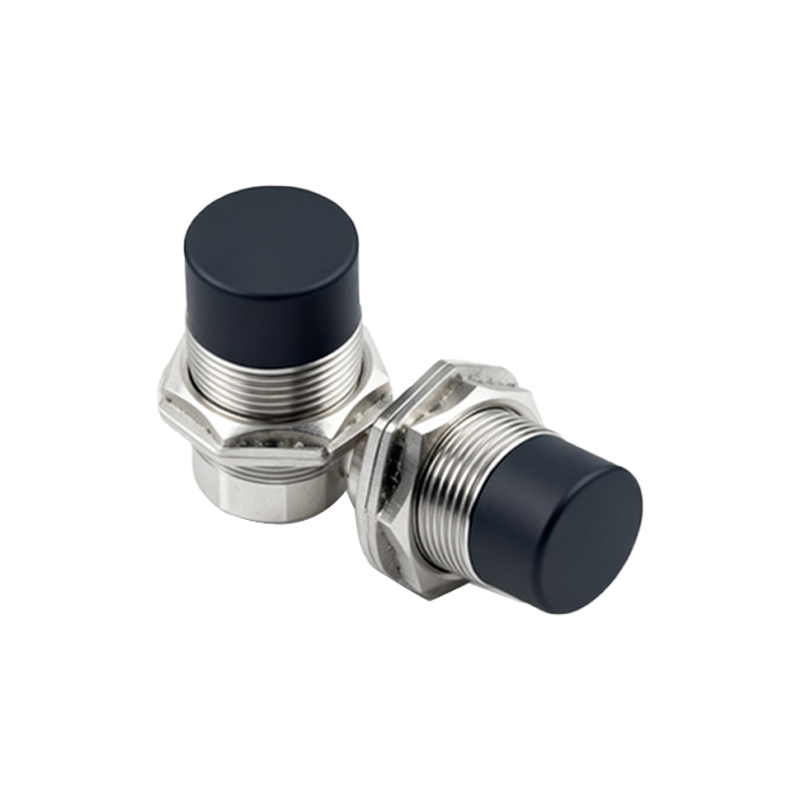
In summary, the circular proximity switch sensor is a foundational element in modern automation. Its non-contact nature ensures no wear and tear on the sensor or the target, leading to high reliability and long service life. By understanding the differences between inductive and capacitive types, along with their technical specifications, engineers and technicians can effectively integrate these sensors to enhance machine safety, improve process efficiency, and enable sophisticated control sequences. As automation continues to evolve, the role of these robust and precise detection devices remains indispensable.