In the world of industrial automation, robotics, and smart devices, proximity sensors play a crucial role. These non-contact sensors detect the presence or absence of an object within a specific range without physical touch. Among the diverse types available, six primary proximity sensor technologies stand out due to their distinct operating principles and widespread applications. Understanding these six key types is essential for engineers, designers, and technicians to select the right sensor for their specific needs.
The first major type is the Inductive Proximity Sensor. This sensor generates an electromagnetic field and detects eddy current losses induced in conductive metallic targets. When a metal object enters this field, it causes a change in the oscillation amplitude, which the sensor circuit detects. Known for their robustness, inductive sensors are immune to dust, dirt, and oil, making them ideal for harsh industrial environments like metal machining, automotive assembly lines, and material handling systems. They are, however, limited to detecting ferrous and non-ferrous metals only.
Second are Capacitive Proximity Sensors. These sensors can detect both metallic and non-metallic objects—including liquids, plastics, wood, and glass—by measuring changes in capacitance. The sensor forms one plate of a capacitor, with the target object acting as the other plate. As an object approaches, the capacitance increases, triggering the output. This versatility makes capacitive sensors perfect for applications like level detection in tanks (for liquids or granules), touch-sensitive interfaces, and detecting non-metallic materials on production lines.
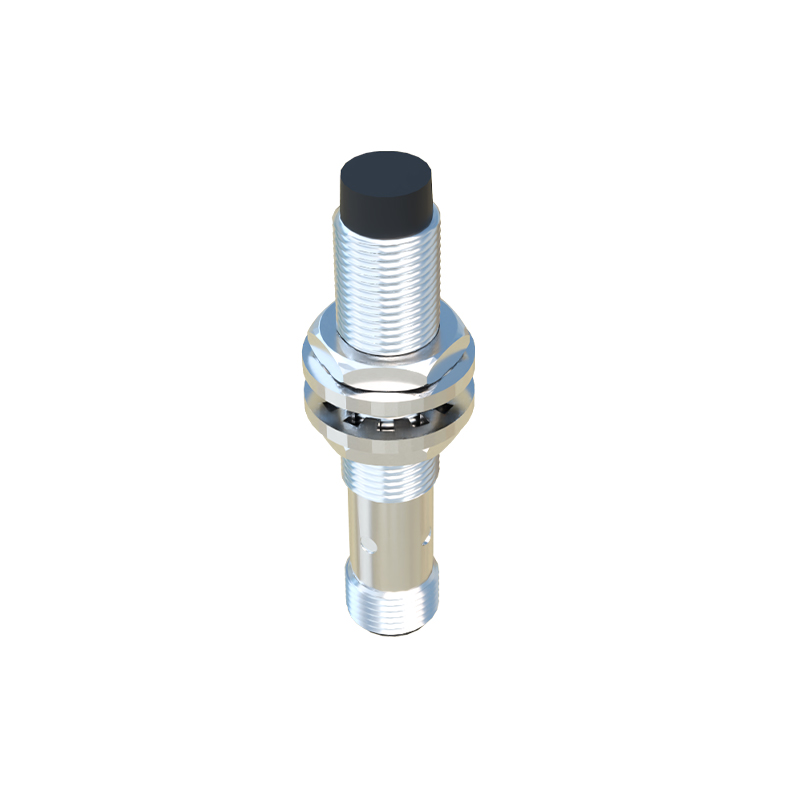
Third, Ultrasonic Proximity Sensors operate by emitting high-frequency sound waves and measuring the time it takes for the echo to return. They can detect objects regardless of color, transparency, or material composition, and are effective over longer distances compared to inductive or capacitive types. Common uses include parking assistance systems in vehicles, object detection on conveyor belts, and liquid level sensing where the sensor is mounted above the liquid.
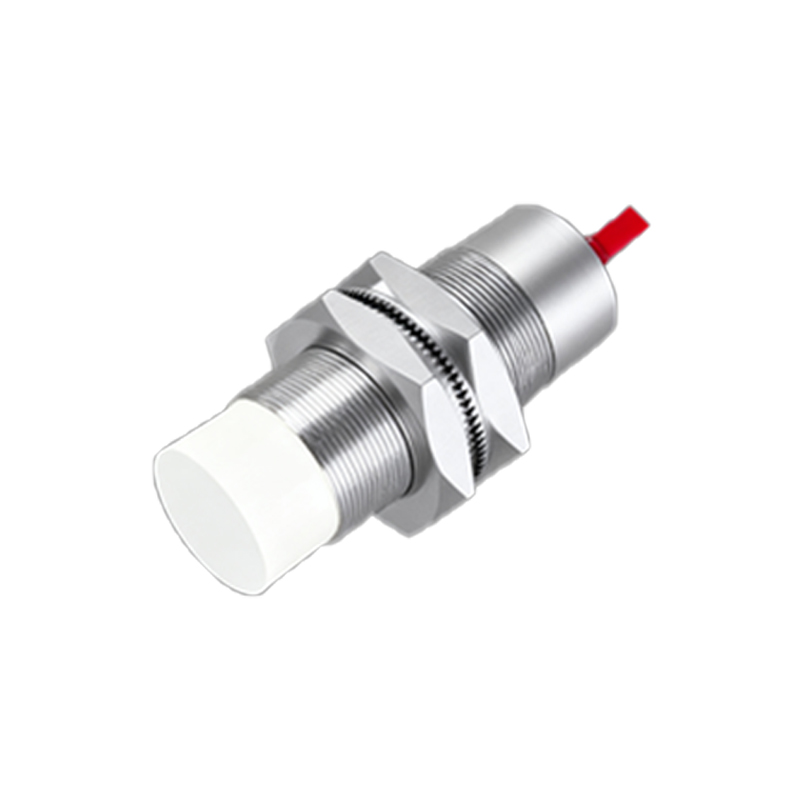
The fourth type is the Photoelectric Proximity Sensor. This category uses a light emitter (usually LED or laser) and a receiver. When an object interrupts or reflects the light beam, the sensor detects the change. Photoelectric sensors come in various configurations: through-beam (separate emitter and receiver), retro-reflective (uses a reflector), and diffuse (reflects light off the target itself). They excel at detecting small objects, offer long sensing ranges, and are used in packaging, printing, and automated door systems.
Fifth, Magnetic Proximity Sensors, often called reed switches or Hall-effect sensors, detect the presence of a magnetic field. Reed switches use ferromagnetic reeds that close when a magnet approaches. Hall-effect sensors produce a voltage proportional to the magnetic field strength. These sensors are highly reliable for position sensing in cylinders, detecting door/window closures in security systems, and in low-power applications due to their simple design.
Finally, the sixth key type is the Eddy-Current Proximity Sensor. A specialized form of inductive sensor, it uses high-frequency alternating current to induce eddy currents in conductive materials. It is exceptionally precise for measuring minute displacements, vibration, and position of metallic objects. This makes it invaluable in high-precision industrial applications like monitoring shaft runout, bearing condition, and metal thickness in machining centers.
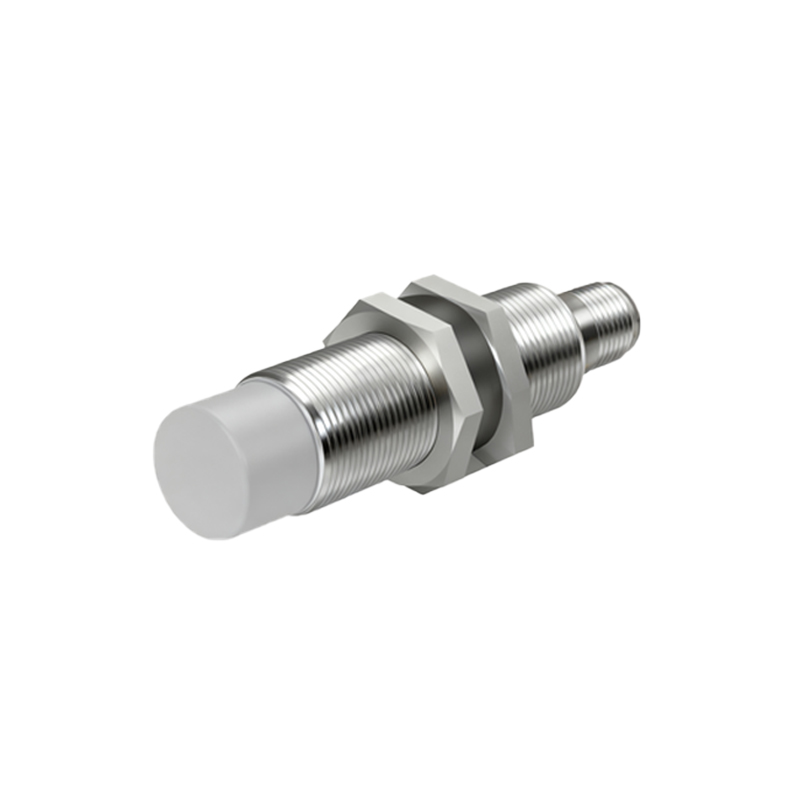
Selecting the right proximity sensor depends on several factors. The target material is paramount: inductive for metals, capacitive for a broader range including non-metals. The required sensing distance varies greatly; ultrasonic and photoelectric sensors offer longer ranges. Environmental conditions such as temperature, humidity, and the presence of contaminants also influence the choice. Inductive and ultrasonic sensors handle harsh conditions well, while photoelectric sensors may be affected by dust or fog. Finally, response speed, output type (digital or analog), and installation constraints must be considered.
In conclusion, these six proximity sensor technologies—inductive, capacitive, ultrasonic, photoelectric, magnetic, and eddy-current—form the backbone of modern detection systems. Each has its unique strengths and ideal application scenarios. A thorough understanding of their principles and capabilities enables the creation of more efficient, reliable, and intelligent automated systems across manufacturing, automotive, consumer electronics, and beyond. As technology advances, these sensors continue to evolve, offering greater precision, miniaturization, and integration with IoT platforms for smarter industrial solutions.