In the realm of modern electronics, the seamless integration of proximity sensors and ambient light sensors (ALS) has become a cornerstone for enhancing user experience and device functionality. This combination, often referred to in technical contexts, is pivotal in creating intelligent, responsive, and energy-efficient systems across smartphones, tablets, laptops, and automotive displays.
A proximity sensor primarily detects the presence or absence of nearby objects without physical contact, typically using infrared (IR) LEDs and photodetectors. Its core function is to determine if a user is holding a device to their ear during a call, thereby disabling the touchscreen to prevent accidental inputs. However, the performance of this IR-based detection can be significantly influenced by the surrounding environmental light conditions. This is where the ambient light sensor plays a critical role.
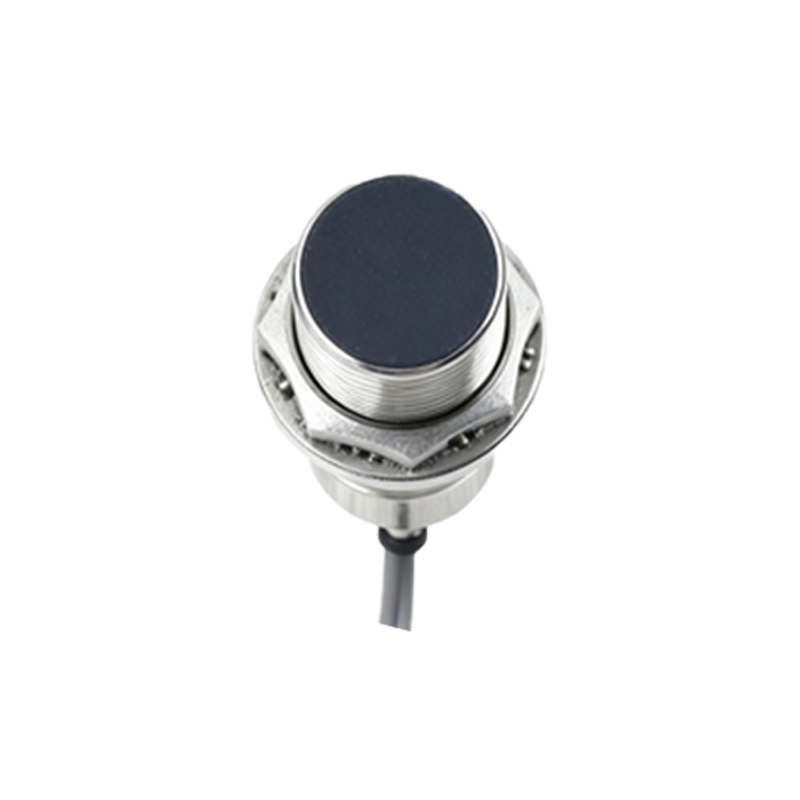
An ambient light sensor measures the intensity of visible light in the environment. By providing real-time data on illumination levels, it allows the system to distinguish between an object (like a user's head) blocking the sensor and mere changes in ambient lighting. For instance, sudden shadows or bright sunlight could otherwise be misinterpreted by the proximity sensor as a close object, leading to false triggers. The ALS provides contextual information, enabling the sensor fusion algorithm to make more accurate decisions. This synergy ensures that the screen turns off reliably only when intended, improving reliability.
Beyond error correction, the ambient light data is independently invaluable for automatic display brightness adjustment. By dynamically scaling the screen's backlight according to ambient conditions, it optimizes readability in bright sunlight and reduces power consumption in dark environments, while also minimizing eye strain. This dual-purpose use of the ALS data—for both assisting proximity sensing and managing display brightness—exemplifies efficient system design.
The technological implementation often involves mounting both sensors in close physical proximity, sometimes within a single module, to ensure they sample a similar field of view. Advanced digital sensors communicate via I2C or similar interfaces, providing calibrated digital readings for lux (light intensity) and proximity detection flags. Calibration is a key challenge; manufacturers must account for factors like the device's cover glass thickness, IR reflectivity of different materials, and a wide spectrum of ambient light sources from warm incandescent bulbs to cool daylight.
From an application perspective, this combined functionality is crucial for always-on devices. In smartphones, it conserves battery life. In automotive interiors, it adjusts dashboard and infotainment screen brightness for safe viewing day and night. In IoT devices, it can trigger actions based on both presence and lighting, such as turning on a smart display when a user approaches in a dim room.
Looking forward, the integration is becoming more sophisticated with the adoption of sensor hubs and machine learning algorithms. These systems can learn user patterns and environmental contexts, further refining response accuracy. The development of sensors with higher dynamic ranges and better spectral response also continues, allowing for precise operation under extreme lighting conditions.
In conclusion, the interplay between proximity detection and ambient light sensing is a fundamental aspect of modern interactive electronics. It represents a move from simple reactive components to context-aware systems. By intelligently interpreting both spatial presence and environmental light, these sensors work in concert to create a more intuitive, efficient, and seamless interaction between humans and technology, all while operating unobtrusively in the background. Their continued evolution will be integral to the next generation of smart and adaptive devices.