In the realm of industrial automation and machine control, the ability to detect the presence or absence of an object without physical contact is fundamental. Digital sensor proximity switches are the cornerstone of this capability, offering reliability, precision, and durability in demanding environments. Unlike their mechanical counterparts, these switches operate on non-contact sensing principles, translating physical presence into a clear, unambiguous digital signal—typically a simple ON or OFF state. This binary output is the language of modern programmable logic controllers (PLCs) and digital systems, making integration seamless and programming straightforward.
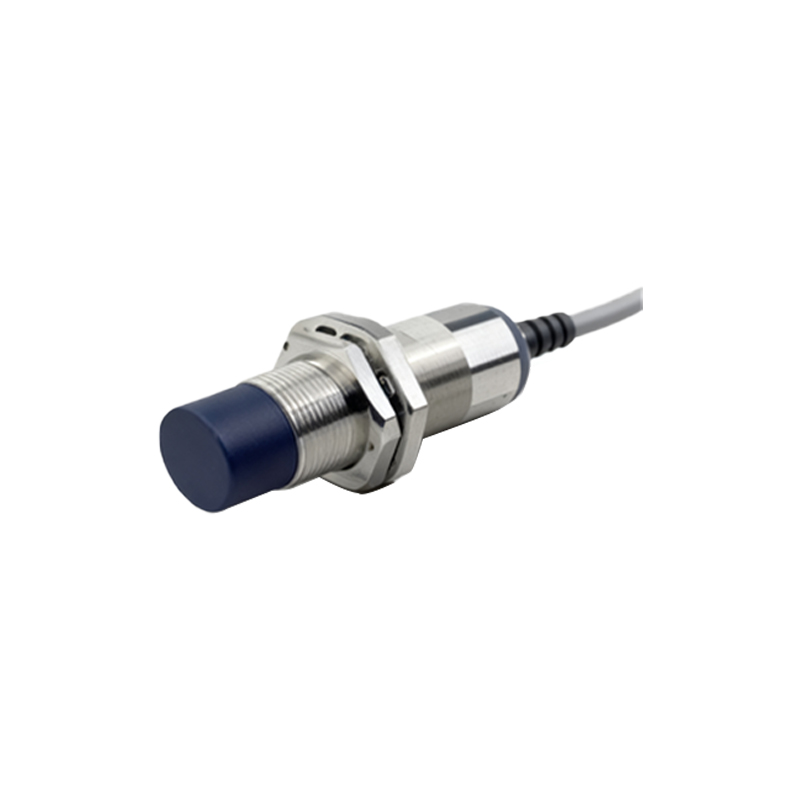
The core technology behind digital proximity switches varies, with inductive, capacitive, and photoelectric types being the most prevalent. Inductive proximity sensors are the workhorses for detecting metallic objects. They generate an electromagnetic field. When a metal target enters this field, it causes a change in the sensor's internal oscillation, which the electronics detect and convert into a switching signal. These sensors are exceptionally robust, immune to environmental factors like dust, oil, and moisture, making them ideal for harsh manufacturing settings involving machinery, robotic arms, and metal part counting.
Capacitive proximity sensors, on the other hand, can detect both metallic and non-metallic materials—liquids, plastics, wood, or granules. They function by generating an electrostatic field. Any object that enters this field alters its capacitance, triggering the switch. This versatility makes them perfect for applications like level detection in silos or tanks, monitoring the presence of plastic bottles on a conveyor, or detecting filled vs. empty containers.
Photoelectric sensors use a beam of light, often infrared, to detect objects. The digital versions provide a clean switch output when the beam is either broken (through-beam) or reflected back (retro-reflective or diffuse). They excel at long-range detection and can sense virtually any material, regardless of color or composition, provided it interrupts the light path. Common uses include object positioning, packaging line control, and safety curtain applications.
The "digital" aspect of these sensors is crucial. It signifies that the sensor contains integrated signal conditioning electronics. This circuitry processes the raw analog signal from the sensing element, compares it to a preset threshold, and outputs a clean, amplified signal. This eliminates the need for external amplifiers or complex interfaces. The output is typically a transistor (PNP or NPN sourcing/sinking) that can directly drive the input of a PLC, relay, or other control device. This design ensures high noise immunity, stable operation, and consistent switching points, even with variations in supply voltage or temperature.
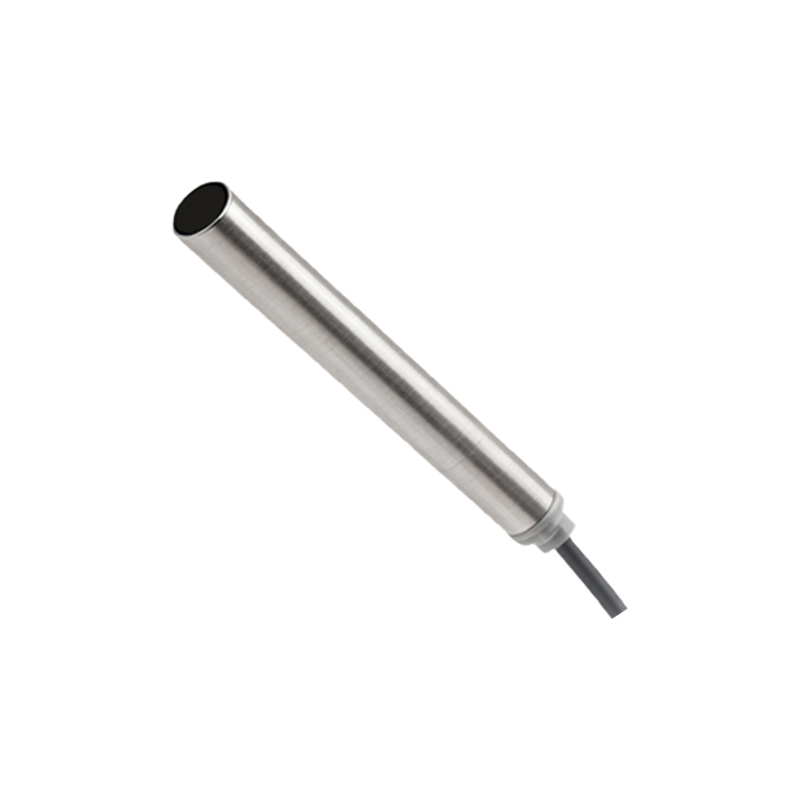
Selecting the right digital proximity switch requires careful consideration of several parameters. The sensing distance, or range, is specified by the manufacturer and should be chosen with a safety margin. The target material dictates the sensor type: inductive for metals, capacitive for a broader range, and photoelectric for long-distance or non-metallic detection. Environmental conditions are paramount; sensors are rated with Ingress Protection (IP) codes for dust and water resistance. For high-temperature areas or washdown environments in food processing, choosing a sensor with an appropriate IP rating (e.g., IP67, IP69K) and suitable housing material (stainless steel, PTFE) is essential.
Installation and wiring are simplified by the standardized form factors and connection methods. Most digital proximity switches come with pre-wired cables or quick-disconnect connectors. Proper mounting is critical to avoid false triggers from surrounding metal (for inductive sensors) or to ensure correct alignment (for photoelectric sensors). Shielding and proper cable routing help mitigate electrical interference in plant environments.
The applications of digital sensor proximity switches are vast and integral to modern industry. They are used for precise position sensing of cylinders in pneumatic systems, end-of-travel limits on automated guided vehicles (AGVs), jam detection in material handling, part verification in assembly robots, and high-speed counting on production lines. Their solid-state design, with no moving parts to wear out, translates to millions of operational cycles and minimal maintenance, offering a significant advantage over mechanical limit switches.
In conclusion, digital sensor proximity switches are more than just simple on/off devices. They are sophisticated, reliable components that form the sensory nervous system of automated equipment. By providing a dependable interface between the physical world and digital control systems, they enable the precision, efficiency, and safety that define contemporary industrial processes. Understanding their operating principles, types, and selection criteria is key to implementing effective and resilient automation solutions.