In the realm of industrial automation, where reliability and longevity are paramount, copper proximity sensors stand as a testament to robust engineering. These non-contact sensing devices, distinguished by their copper sensing face or housing, offer a unique blend of durability, performance, and cost-effectiveness that makes them indispensable in harsh operating environments. Unlike their plastic or stainless-steel counterparts, copper sensors bring specific material advantages to the forefront of detection technology.
The core principle of operation for an inductive copper proximity sensor remains the same as other inductive types. It generates an oscillating electromagnetic field from its sensing face. When a metallic target enters this field, eddy currents are induced within the target, causing a change in the oscillation amplitude. The sensor's internal circuit detects this change and triggers a solid-state switch. The defining characteristic lies in the use of copper, typically in the form of a plated or solid face. This copper element is crucial as it is the active part that emits and is influenced by the electromagnetic field. Its material properties directly impact sensing performance, especially the sensing distance and behavior with different metals.
The primary advantage of copper as a sensing material is its excellent electrical conductivity. This high conductivity allows for a stronger and more stable electromagnetic field at the sensing face. In practical terms, this often translates to a more consistent sensing range and improved sensitivity, particularly for detecting non-ferrous metals like aluminum, brass, or copper itself. While the rated operating distance for standard inductive sensors is typically calibrated for mild steel, copper-faced sensors can exhibit less reduction in sensing distance when switching to these non-ferrous targets. This makes them highly versatile in facilities processing a variety of metals.
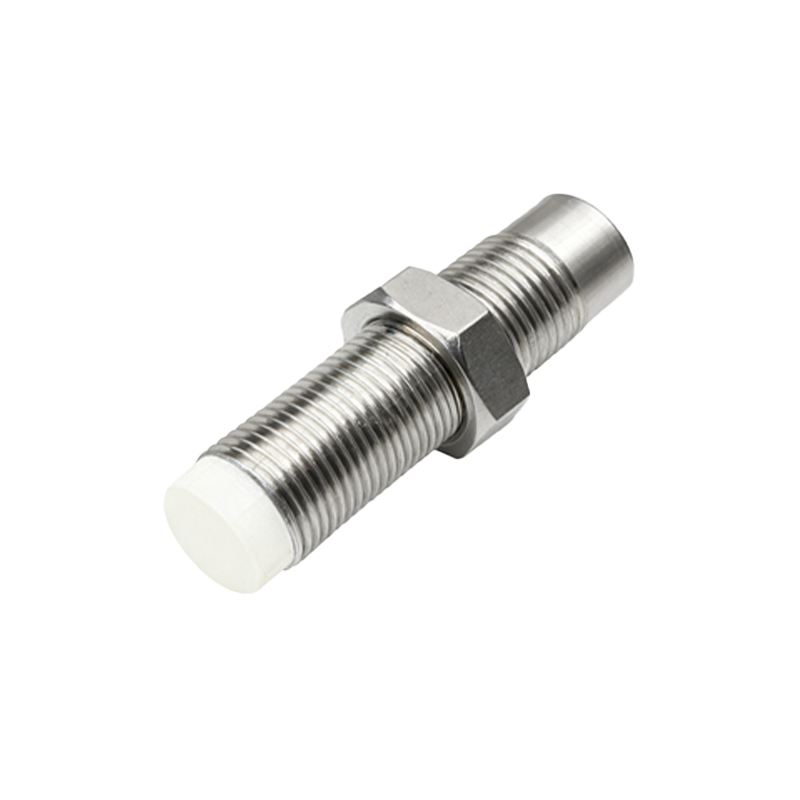
However, the most celebrated benefit of copper proximity sensors is their exceptional physical durability. Copper alloys are inherently resistant to wear, abrasion, and mechanical impact. In applications where the sensor face might be subject to incidental contact, scraping, or exposure to abrasive materials, a copper sensor will withstand this punishment far better than a plastic-bodied sensor. This ruggedness significantly reduces downtime and replacement costs. Furthermore, copper offers good resistance to many chemicals, oils, and coolants commonly found in industrial settings like machining centers, CNC lathes, or automated welding lines. The material does not corrode as easily as some other metals when exposed to these substances, ensuring long-term functional integrity.
Another significant application area is in welding environments. Copper has high resistance to spatter adhesion from processes like MIG or MAG welding. Molten welding spatter tends not to stick as permanently to a copper surface as it does to stainless steel or plastic. This characteristic is vital for maintaining sensor functionality; a build-up of spatter can effectively insulate the sensing face, blocking the electromagnetic field and causing failure. Many copper sensors are designed with a flat, smooth face to make any spatter that does adhere easier to remove, often with a simple tool.
When selecting a copper proximity sensor, engineers must consider several specifications beyond the material. The sensing distance, which should never be exceeded, is fundamental. The housing style—tubular, rectangular, or limit-switch style—must suit the mounting constraints. Electrical output type (NPN or PNP, NO or NC) must be compatible with the control system, typically a PLC. Environmental ratings, particularly Ingress Protection (IP) codes like IP67 or IP68, are critical for ensuring the sensor can withstand dust, washdowns, or temporary immersion. Operating temperature range is also key, as extreme heat can affect performance.
Installation and maintenance are straightforward but require attention to detail. Ensuring a proper mounting with adequate clearance around the sensing face is necessary to avoid interference from surrounding metal (the "flush-mountable" feature of many models helps here). Regular cleaning of the sensing face to remove dirt, grease, or thin layers of spatter will maintain optimal sensing performance. While incredibly tough, the copper face can still be damaged by extreme force, so physical protection or careful placement in high-risk areas is advised.
In conclusion, copper proximity sensors are not a one-size-fits-all solution, but they provide an optimal balance for demanding industrial applications. Their rugged copper construction delivers superior resistance to physical wear, chemical exposure, and welding spatter, leading to enhanced service life and reduced maintenance. Their electrical properties offer reliable and consistent detection, especially in mixed-metal environments. For system integrators and plant engineers seeking a sensor that can endure the rigors of heavy industry while providing dependable switching signals, copper proximity sensors remain a proven and trusted choice, ensuring seamless automation even in the toughest conditions.