Metal proximity sensors are indispensable components in modern industrial automation, robotics, and safety systems. At the heart of many of these non-contact detection devices lies a critical element: the sensor coil. This component is fundamental to the operation of inductive proximity sensors, which are specifically designed to detect metallic objects without physical contact. Understanding the coil's function, design considerations, and its role within the sensor system is key to optimizing performance in various applications.
The core principle behind an inductive proximity sensor is electromagnetic induction. The sensor coil, typically wound around a ferrite core, forms part of an oscillator circuit. When energized, the coil generates a high-frequency alternating electromagnetic field that projects from the active face of the sensor. In the absence of a metal target, this oscillator runs at a specific, stable frequency. When a conductive metal object enters this oscillating field, eddy currents are induced on the surface of the target. These eddy currents draw energy from the sensor's field, causing a measurable change in the oscillation amplitude or frequency. The sensor's internal electronics detect this change and trigger a solid-state output switch, signaling the presence of the target.
The design and construction of the sensor coil directly influence the sensor's key performance characteristics. The number of wire turns, the coil geometry, and the type of core material determine the sensing range, frequency response, and sensitivity to different metals. For instance, coils designed for longer sensing distances often require more turns or specialized core shapes to concentrate the magnetic field. Furthermore, the coil must be robustly encapsulated to withstand harsh industrial environments, including exposure to vibration, temperature extremes, and potential chemical splashes. The quality of the winding and the integrity of the encapsulation are crucial for long-term reliability and stability, preventing drift in the sensing signal.
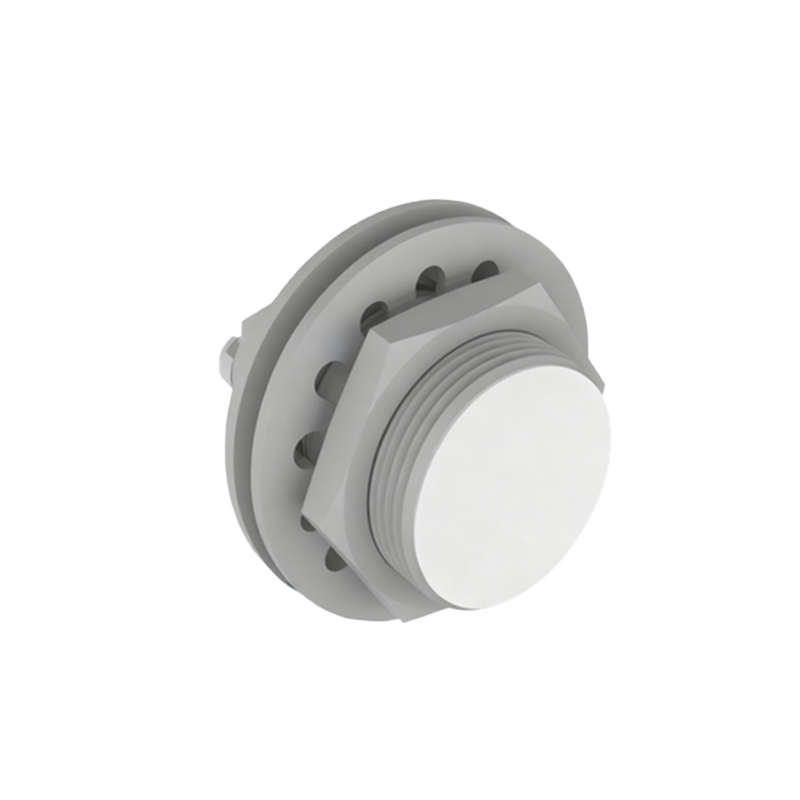
A significant advantage of systems utilizing these coils is their remarkable durability. With no moving parts and no mechanical wear from physical contact, inductive proximity sensors offer exceptionally long service lives. They are highly resistant to contaminants like dust, oil, and coolant, making them ideal for machine tools, assembly lines, and material handling equipment. Common applications include position verification of machine parts, counting metal objects on a conveyor, monitoring rotational speed by detecting gear teeth, and providing end-of-travel limits for automated machinery. In safety systems, they can serve as non-contact interlock switches on guards and doors.

Selecting the right sensor involves careful consideration of the coil and sensor specifications relative to the application. The nominal sensing distance, usually specified for a standard mild steel target, is a primary parameter. It's vital to note that the effective sensing distance varies with different metals; for example, it is shorter for non-ferrous metals like aluminum or copper compared to steel due to differences in electrical conductivity and magnetic permeability. Other critical factors include the sensor's switching frequency (how fast it can detect objects), its housing style (threaded barrel, block, or ring-shaped), and the output type (PNP, NPN, analog, or IO-Link). Environmental ratings, particularly the Ingress Protection (IP) code for dust and water resistance, are also essential for ensuring reliable operation.
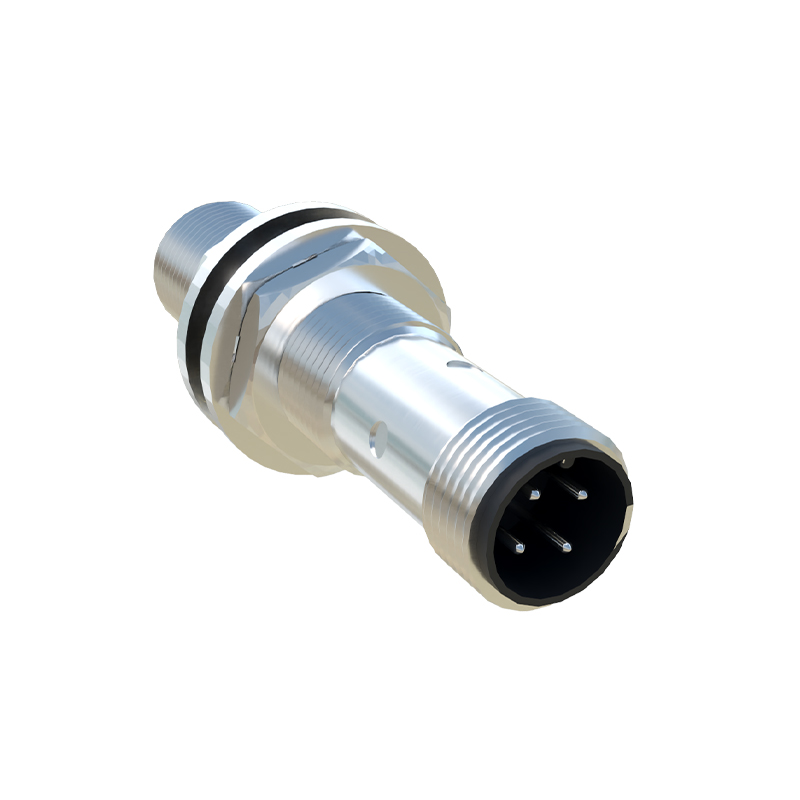
Installation and setup also impact performance. The presence of surrounding metal—other machine parts, brackets, or even adjacent sensors—can influence the magnetic field and reduce the effective sensing range, a phenomenon known as shielding or flanking. Manufacturers provide guidelines for minimum lateral and axial distances between sensors and between the sensor and surrounding metal to mitigate this effect. Proper alignment and a stable power supply are equally important for consistent operation.
In conclusion, the coil within a metal proximity sensor is far more than a simple component; it is the active sensing element that enables reliable, non-contact detection. Its design dictates the sensor's capabilities and limitations. From high-speed packaging lines to heavy-duty CNC machining centers, these sensors provide the essential "eyes" for automated systems. By understanding the principles of the sensor coil, engineers and technicians can make informed selection decisions, ensure correct installation, and troubleshoot issues effectively, thereby maximizing uptime and efficiency in countless industrial processes. Ongoing advancements in materials and miniaturization continue to enhance the sensitivity, range, and robustness of these vital components.