Proximity sensors are integral components in automation and control systems, designed to detect the presence or absence of objects without physical contact. These sensors operate based on various principles, each offering distinct advantages tailored to specific applications. One of the primary characteristics of proximity sensors is their non-contact operation, which eliminates mechanical wear and tear, ensuring longevity and reliability in industrial environments. This feature is particularly beneficial in harsh conditions where contamination or damage to physical components could disrupt processes.
Another key characteristic is the high precision and repeatability of proximity sensors. They provide accurate detection within defined ranges, often with minimal error margins, making them suitable for tasks requiring consistent performance, such as assembly line automation or robotic guidance. The response time of these sensors is typically fast, enabling real-time detection and immediate system reactions, which is crucial in high-speed manufacturing or safety-critical applications.
Proximity sensors are available in multiple types, including inductive, capacitive, and photoelectric variants, each with unique properties. Inductive sensors excel at detecting metallic objects by generating electromagnetic fields, while capacitive sensors can identify both metallic and non-metallic materials by measuring changes in capacitance. Photoelectric sensors use light beams to detect objects, offering versatility across diverse materials and environmental conditions. This variety allows engineers to select sensors based on factors like target material, sensing distance, and environmental interference.
Durability and environmental resistance are also notable characteristics. Many proximity sensors are built with robust housings that protect against dust, moisture, and temperature extremes, complying with international standards such as IP ratings. This resilience ensures stable operation in demanding settings like automotive plants or outdoor installations. Additionally, these sensors often feature easy integration with control systems through standardized output signals (e.g., NPN/PNP or analog outputs), simplifying installation and maintenance.
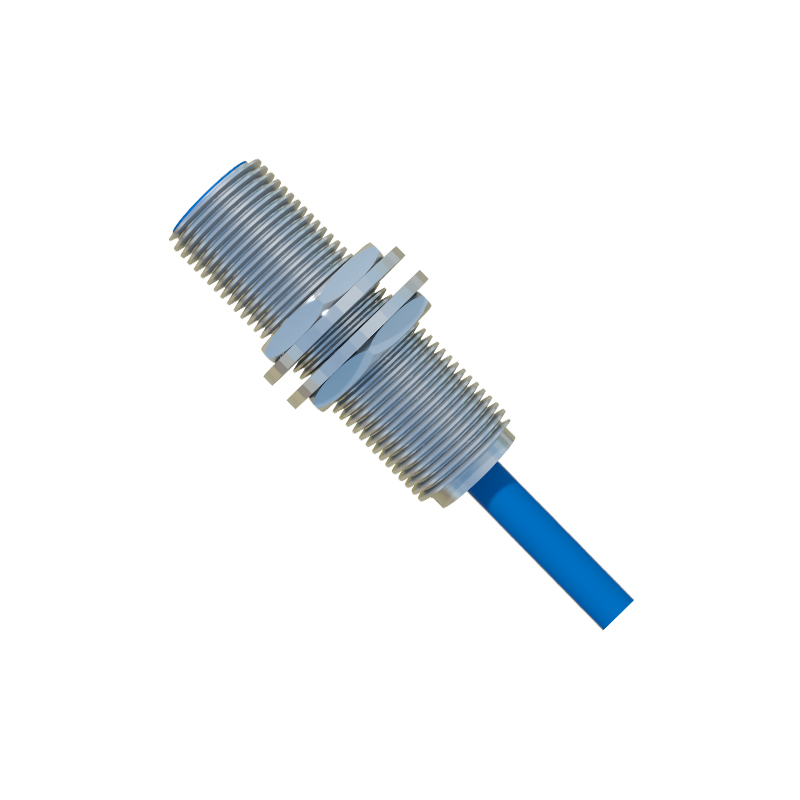
Energy efficiency is another advantage, as proximity sensors typically consume low power while maintaining high sensitivity. This contributes to reduced operational costs and aligns with sustainable practices in modern industries. Furthermore, advancements in technology have led to miniaturized designs, allowing for installation in compact spaces without sacrificing performance.
In summary, proximity sensors are characterized by non-contact detection, precision, speed, versatility, durability, and efficiency. These attributes make them indispensable in applications ranging from consumer electronics to heavy machinery, enhancing automation and safety across sectors. As industries evolve, the continued innovation in sensor technology promises even greater adaptability and performance, solidifying their role in the future of smart systems.