In the world of industrial automation, robotics, and smart devices, proximity sensors are the silent workhorses that enable machines to "see" and interact with their environment without physical contact. These sensors detect the presence or absence of an object within a specific range, triggering a corresponding output. Their applications are vast, from ensuring safety on factory floors to enabling the touchless flush of a modern toilet. Understanding the different types of proximity sensors is crucial for selecting the right technology for any given application. This guide explores the most common proximity sensor varieties, detailing their operating principles, strengths, and typical use cases.
The most widely recognized category is the inductive proximity sensor. This type is designed exclusively for detecting metallic objects. It operates on the principle of electromagnetic induction. The sensor contains a coil that generates a high-frequency oscillating electromagnetic field. When a metal target enters this field, eddy currents are induced on the metal's surface. This causes a change in the oscillation amplitude within the sensor, which is detected by a circuit, prompting the sensor to switch its output state. Inductive sensors are renowned for their robustness, high switching frequency, and immunity to environmental factors like dust, oil, or moisture. They are the go-to choice in heavy industrial settings for tasks like counting metal parts, detecting piston position in cylinders, or ensuring machine tool positioning.
For non-metallic objects, including liquids, wood, glass, and most plastics, capacitive proximity sensors are the solution. They function similarly to inductive sensors but can detect virtually any material by measuring changes in capacitance. The sensor's active face forms one plate of a capacitor, with the target object acting as the other plate. As an object approaches, the dielectric constant of the space between them changes, altering the capacitance of the oscillator circuit. Once a threshold is reached, the sensor activates. These sensors can even detect materials through certain non-metallic barriers, making them ideal for level detection in tanks (liquid or granular), material handling, and touch-sensitive interfaces.
Optical proximity sensors, often called photoelectric sensors, use light to detect objects. They consist of a light emitter (usually an LED producing visible red, infrared, or laser light) and a receiver. They are categorized into three main modes. The through-beam (or opposed) mode has separate, facing emitter and receiver units. An object is detected when it interrupts the light beam. This mode offers the longest sensing range and high reliability. The retro-reflective mode uses a single unit that houses both emitter and receiver, relying on a reflector to bounce the light beam back. Detection occurs when the beam is blocked. The diffuse (or proximity) mode is the most common for true proximity sensing; the emitter and receiver are in the same housing, and the sensor detects light reflected directly off the target object. Optical sensors are versatile, capable of long-range detection and sensing of any material, but they can be affected by environmental conditions like dust, fog, or ambient light.
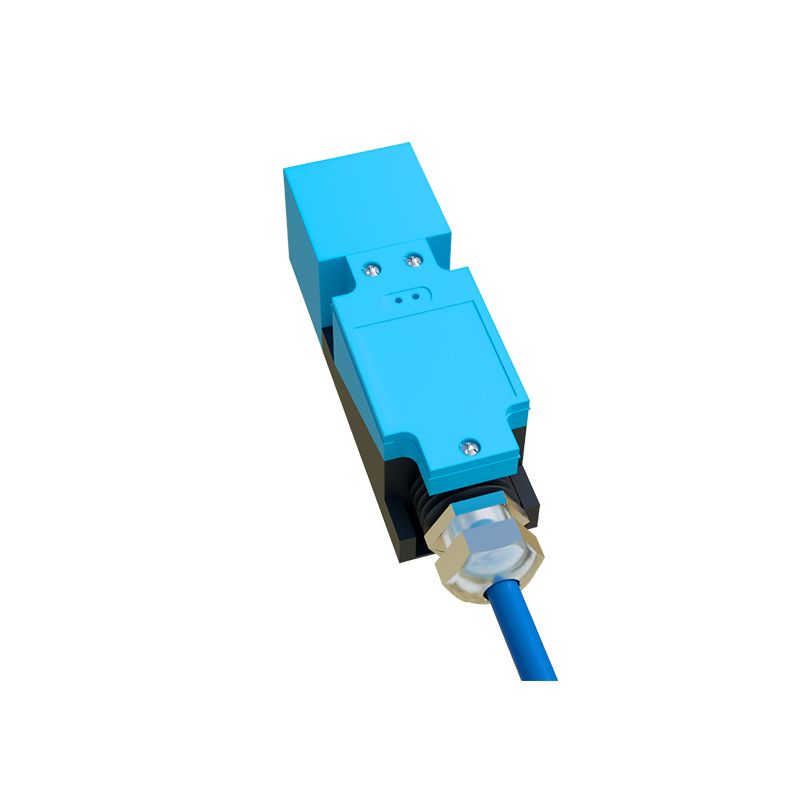
Ultrasonic proximity sensors operate like sonar, using sound waves beyond the range of human hearing. They emit high-frequency ultrasonic pulses and measure the time it takes for the echo to return from a target object. The time-of-flight calculation determines the object's distance. These sensors excel at detecting objects of virtually any material, shape, or color, and are unaffected by transparency or dust. They are perfect for challenging applications such as distance measurement, liquid level control in harsh environments, and detecting uneven or textured surfaces. However, they can be influenced by temperature variations and soft materials that absorb sound.
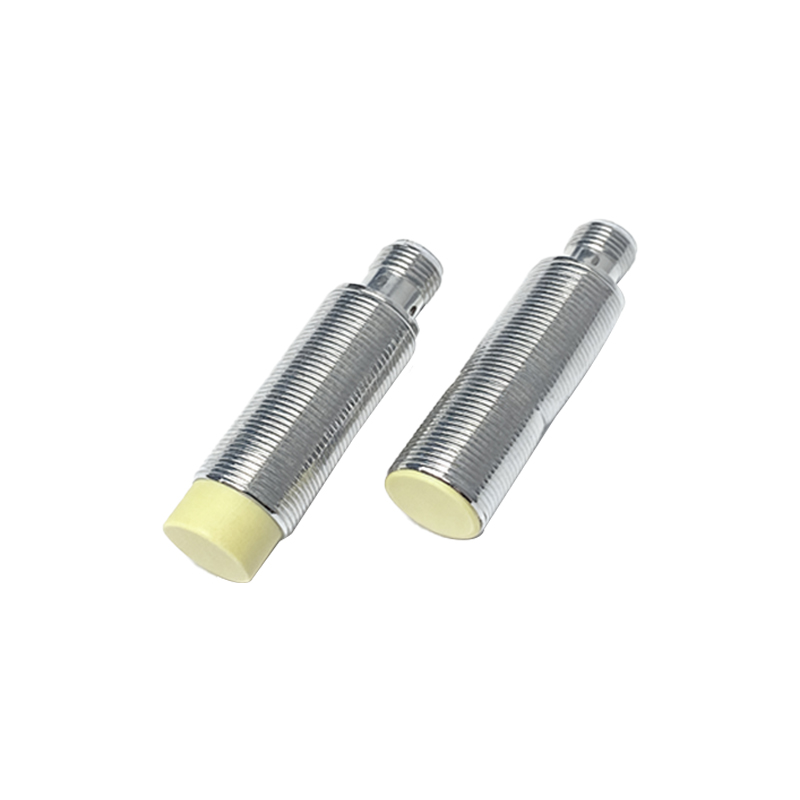
A specialized and highly precise type is the magnetic proximity sensor, often referred to as a reed switch or Hall effect sensor. These detect the presence of a permanent magnet. Reed switches contain two ferromagnetic reeds sealed in a glass tube. When a magnet approaches, the reeds are magnetized and attract each other, closing the contact. Hall effect sensors produce a voltage output when exposed to a magnetic field. Their key advantage is the ability to operate through non-magnetic barriers like plastic, aluminum, or stainless steel walls. This makes them indispensable for hermetically sealed applications, such as detecting the position of a door or cover in appliances, or sensing piston position in hydraulic cylinders via a magnet embedded in the piston.
Finally, for the most demanding precision positioning applications, there are specialized sensors like LVDTs (Linear Variable Differential Transformers) and Eddy-Current sensors, though these are often categorized more as displacement sensors than simple proximity switches.
Selecting the correct proximity sensor hinges on several factors: the target material, required sensing distance, environmental conditions (temperature, contaminants), switching frequency, output type (PNP/NPN, analog, IO-Link), and electrical requirements. By matching the core technology—inductive, capacitive, optical, ultrasonic, or magnetic—to the application's specific demands, engineers and designers can build systems that are reliable, efficient, and