In the seamless interaction between humans and machines, a silent, unseen technology plays a pivotal role. Proximity sensors, often unnoticed, are fundamental components that detect the presence or absence of nearby objects without any physical contact. Their applications span from the smartphone in your pocket to complex industrial automation systems, making them a cornerstone of modern electronics and smart systems.
At its core, a proximity sensor works by emitting an electromagnetic field or a beam of radiation, such as infrared light, and then looking for changes in the field or return signal. The object being detected is often referred to as the sensor's "target." Different sensor technologies are employed based on the specific requirements of the application, including detection range, target material, environmental conditions, and cost.
The most common types include Inductive, Capacitive, Ultrasonic, and Optical (Infrared) sensors. Inductive proximity sensors are widely used in industrial settings. They generate an oscillating electromagnetic field and detect only metallic targets. When a metal object enters this field, it induces eddy currents, causing a change in the field's amplitude. The sensor's circuitry detects this change and triggers an output signal. These sensors are robust, reliable, and ideal for harsh factory environments involving machinery, conveyor belts, and robotic arms.
Capacitive proximity sensors, on the other hand, can detect both metallic and non-metallic materials like liquids, plastics, wood, and granules. They function by measuring changes in capacitance. The sensor and the target act as two plates of a capacitor. As the target approaches, the capacitance increases, and once it reaches a preset threshold, the sensor activates. This makes them perfect for level detection in tanks, touch-sensitive interfaces, and material handling.
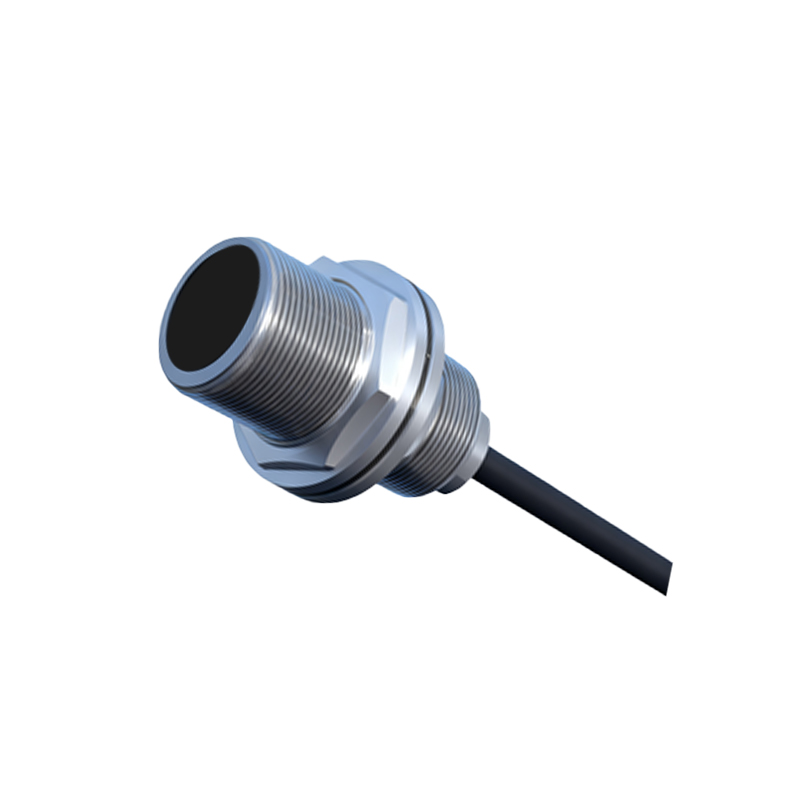
Ultrasonic sensors use sound waves beyond the human hearing range. They emit high-frequency pulses and calculate the time it takes for the echo to return. This "time-of-flight" measurement allows them to determine the distance to an object with high accuracy. They are excellent for applications requiring precise distance measurement or detection of objects with complex shapes and surfaces, such as in parking assistance systems, robotics, and bulk material level sensing.
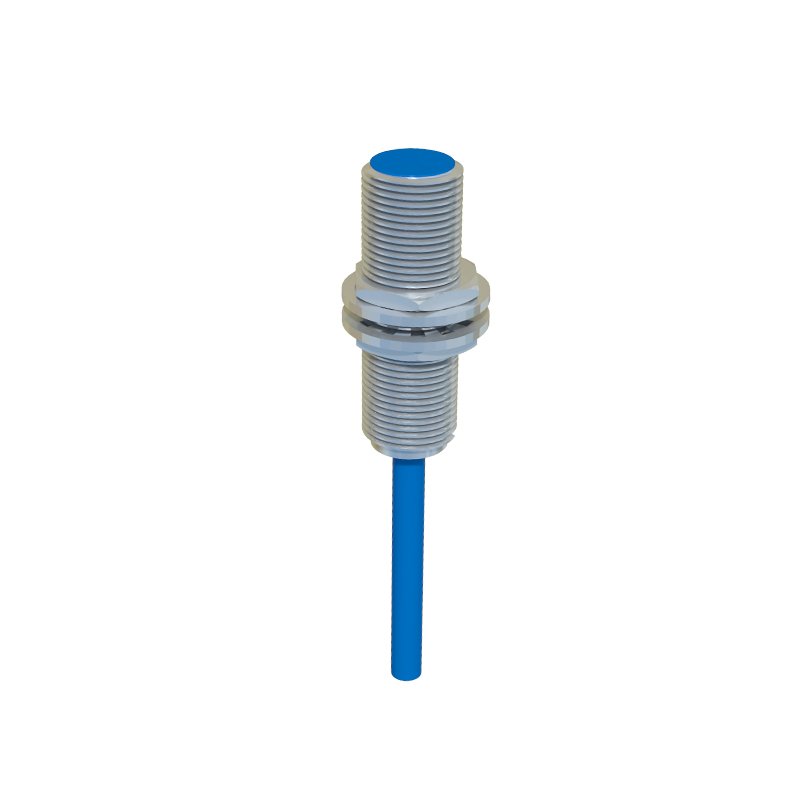
Optical or Infrared (IR) proximity sensors consist of an IR LED emitter and a photodiode receiver. They detect objects by measuring the reflection of an infrared beam. When an object is close, it reflects the IR light back to the receiver. These sensors are ubiquitous in consumer electronics. A primary example is in smartphones, where they detect when the phone is held to the user's ear during a call, automatically turning off the display to save power and prevent accidental touch inputs.
The advantages of using proximity sensors are manifold. They enable non-contact detection, which eliminates mechanical wear and tear, leading to higher reliability and longer lifespan. They can detect fragile or soft objects without damaging them and operate effectively in dirty or hostile environments where physical contact is impractical. Furthermore, their fast response time is critical for high-speed automation and safety applications.
In automotive systems, proximity sensors are integral to advanced driver-assistance systems (ADAS). They provide the "eyes" for features like blind-spot monitoring, automatic parking, and collision avoidance. In smart homes, they enable automatic lighting, touchless faucets, and intelligent appliance control, enhancing convenience and energy efficiency. In industrial automation, they are the backbone of position verification, object counting, and safety interlocks on machinery, ensuring both efficiency and operator safety.
Looking forward, the evolution of proximity sensing is intertwined with the growth of the Internet of Things (IoT) and Artificial Intelligence. Smarter, smaller, and more energy-efficient sensors are being developed. Future sensors may incorporate multi-sensor fusion, combining proximity data with other inputs like vision or temperature to provide richer contextual awareness for robots and autonomous systems.
Despite their simplicity in concept, proximity sensors are a transformative technology. They bridge the physical and digital worlds, allowing machines to perceive and react to their surroundings. From turning off a smartphone screen to preventing industrial accidents, these unassuming devices work tirelessly in the background, making technology more intuitive, efficient, and safe. Their continued development promises to further blur the lines between our physical actions and digital responses, creating a more responsive and intelligent environment.