In the realm of industrial automation and precision measurement, proximity photoelectric laser sensors have emerged as indispensable tools. These sophisticated devices operate on the fundamental principle of converting light signals into electrical signals to detect the presence, absence, or distance of an object without physical contact. Unlike standard photoelectric sensors that may use LED light sources, the integration of a laser diode as the light source marks a significant advancement, offering unparalleled precision and range.
The core working mechanism involves the emission of a highly focused, coherent laser beam from the transmitter. When this beam encounters a target object, it is either reflected, absorbed, or diffused. A receiver, meticulously aligned within the sensor housing, detects the change in the light pattern. The sensor's internal circuitry then processes this signal to produce a clear digital output. There are three primary detection methods: through-beam, retro-reflective, and diffuse-reflective. Through-beam models, with separate emitter and receiver units, offer the longest detection range and highest reliability. Diffuse-reflective types, where the emitter and receiver are housed together, detect light reflected directly from the target, making them simpler to install for a variety of surfaces.
The advantages of using a laser-based proximity sensor are substantial. The most prominent is the exceptional sensing accuracy and resolution, capable of detecting minute objects or precise edges due to the laser's small, visible spot size. This allows for exact positioning in applications like semiconductor wafer alignment or micro-part assembly. Furthermore, these sensors provide an extended sensing range compared to conventional infrared or LED-based sensors. The coherent nature of laser light minimizes dispersion, enabling stable detection over several meters even in through-beam configurations. Their ability to focus on a small point also makes them highly effective for detecting tiny parts, transparent objects like glass or films, and even high-gloss surfaces that might confuse standard sensors.
Applications span across diverse industries. In manufacturing, they are pivotal for object counting, jam detection on conveyor belts, and ensuring precise fill levels in bottling plants. The robotics sector relies on them for accurate arm positioning and obstacle avoidance. Within the electronics industry, they verify component placement on printed circuit boards (PCBs) and inspect for lead presence. Logistics and packaging systems use them to control sorting gates and confirm label application. Their non-contact nature makes them ideal for harsh environments where contamination or mechanical wear is a concern.
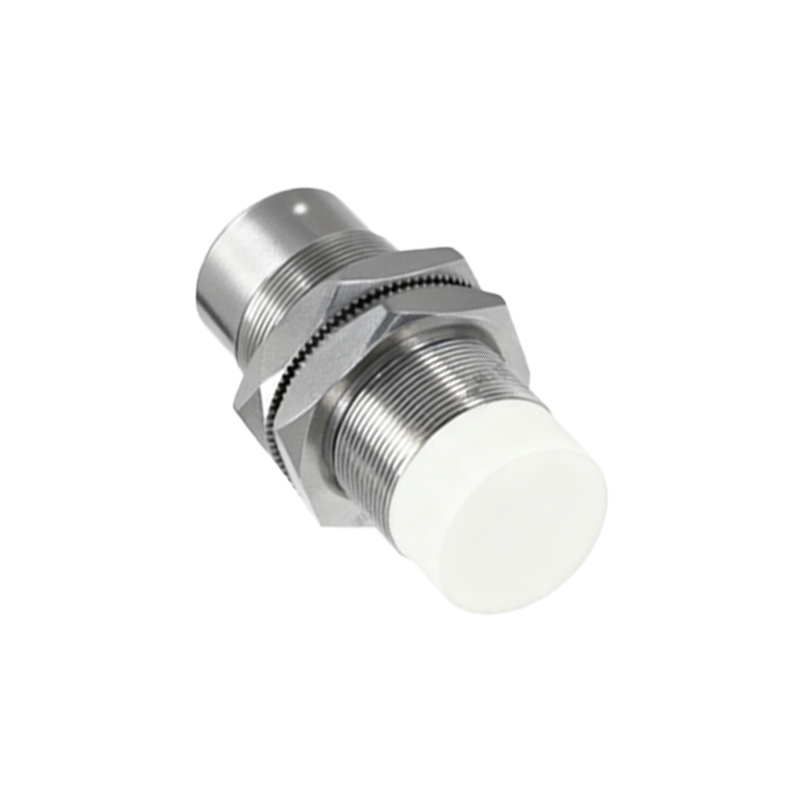
Selecting the right proximity photoelectric laser sensor requires careful consideration of several parameters. The required sensing distance is paramount; ensure the sensor's specified range accommodates the application with a safety margin. The size, color, and material of the target object dramatically affect performance; a glossy metal surface reflects light differently than a matte black plastic. Environmental factors such as ambient light, dust, fog, or temperature extremes must be matched with the sensor's ingress protection (IP) rating and light-source immunity. Output type (e.g., NPN/PNP transistor, analog) must be compatible with the controller (PLC). Finally, form factor and mounting options should align with the spatial constraints of the installation.
Installation and maintenance, while straightforward, demand attention to detail. Ensuring a stable mounting to prevent vibration-induced misalignment is crucial. The sensor must be aligned correctly with the target path, and the sensing background should be as non-reflective as possible to avoid false triggers. Regular cleaning of the lens with appropriate materials prevents dust accumulation from attenuating the laser beam. Users should always adhere to laser safety Class II regulations, which mandate avoiding direct eye exposure to the beam, although these industrial sensors are generally considered safe for incidental viewing.
In conclusion, proximity photoelectric laser sensors represent a critical fusion of optical precision and electronic control. By offering high accuracy, long range, and versatility in challenging detection scenarios, they solve complex automation tasks that other sensor types cannot. As technology progresses, we see trends towards miniaturization, integrated smart functions like IO-Link for parameterization and diagnostics, and even higher precision for next-generation manufacturing. Understanding their principles and selection criteria is key to leveraging their full potential in creating more efficient, reliable, and intelligent automated systems.