In the world of industrial automation and precise measurement, insertion proximity sensors have become indispensable components. Unlike standard proximity sensors mounted on the surface, insertion sensors are designed to be installed within a process, machine cavity, or pipeline to detect objects or conditions from within the system itself. Their unique design allows for internal monitoring where external sensing is impossible or impractical.
The core working principle of most insertion proximity sensors remains based on established technologies like inductive, capacitive, or ultrasonic sensing. However, their form factor is distinctly different. Typically housed in a cylindrical, threaded barrel made from stainless steel or other robust materials, they feature a sensing face at one end and electrical connections at the other. This elongated body is inserted into a pre-tapped hole, allowing the active sensing area to be positioned exactly where detection is needed—inside a tank, along a material chute, or within a hydraulic cylinder. The key advantage is the ability to monitor conditions directly at the point of interest, leading to higher accuracy and reliability. For instance, an insertion sensor can detect the precise level of a liquid or granular material from inside a silo, or sense the position of a piston inside a cylinder bore, providing feedback that external sensors might miss due to wall thickness or material properties.
Several primary types of insertion proximity sensors cater to different needs. Inductive insertion sensors are used to detect metallic objects within their range. They are commonly employed for internal position feedback in pneumatic or hydraulic cylinders, detecting the presence of a metal piston or valve position. Capacitive insertion sensors can detect both metallic and non-metallic materials, including liquids, plastics, and powders. This makes them ideal for level detection tasks inside hoppers, tanks, or pipes. Ultrasonic insertion sensors use sound waves to measure distance or detect presence, useful in challenging environments with dust, vapor, or varying material types. The choice of technology depends entirely on the target material and the specific environmental conditions inside the application space.
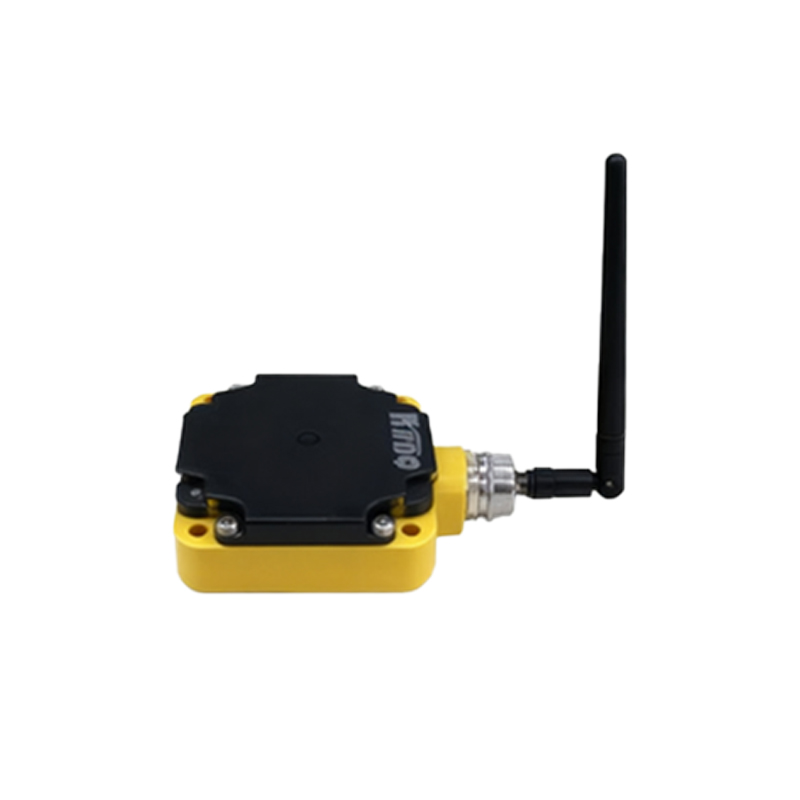
The applications for these sensors are vast and critical across numerous industries. In the food and beverage sector, stainless steel insertion sensors monitor ingredient levels in mixing vats or detect fill levels in bottles on a production line, all while meeting strict hygiene standards. In plastic injection molding machines, they provide precise detection of the screw position inside the barrel. The automotive industry relies on them for fluid level monitoring in reservoirs and precise positional control in assembly robotics. In heavy machinery and mobile equipment, insertion sensors are vital for monitoring hydraulic fluid levels and cylinder positioning, ensuring safe and efficient operation. Their sealed construction, often rated IP67, IP68, or IP69K, allows them to withstand high-pressure washdowns, extreme temperatures, and exposure to coolants or oils.
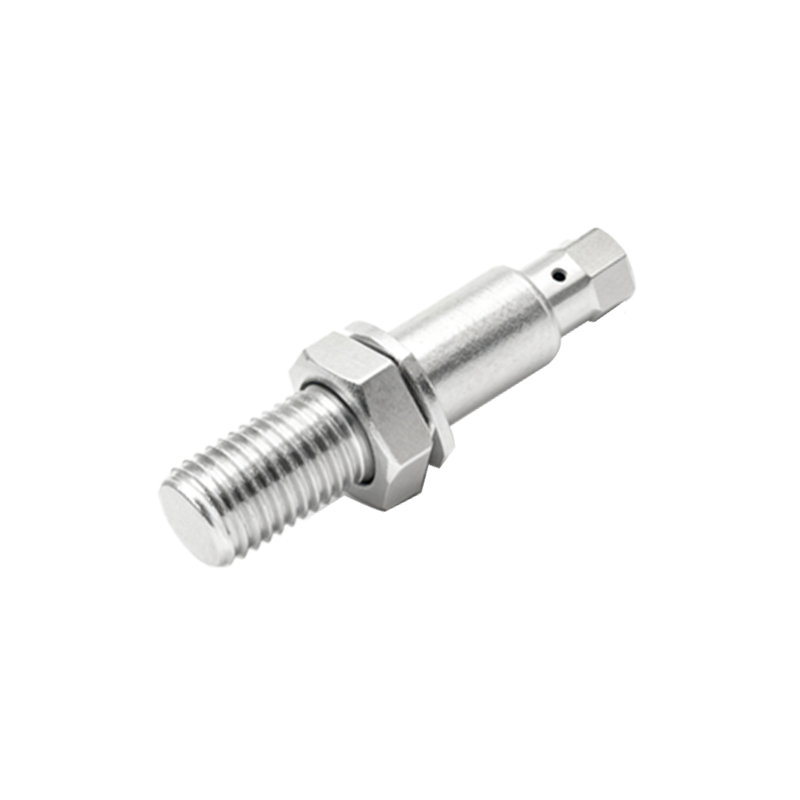
Selecting the right insertion proximity sensor requires careful consideration of several parameters. First, identify the target material—metal, liquid, plastic—to choose between inductive, capacitive, or ultrasonic technology. The sensing range must be sufficient for the specific task, noting that insertion sensors often have shorter ranges due to their compact head design. The thread size and length of the barrel are crucial mechanical dimensions; they must match the installation port in the machine or tank. Common thread types include metric (e.g., M8, M12, M18) or NPT. The housing material must be compatible with the process medium; 316 stainless steel is a common choice for corrosive environments. Electrical output (PNP/NPN, analog, IO-Link) and supply voltage (10-30V DC typical) must integrate with the existing control system. Finally, consider environmental factors like operating temperature, pressure ratings, and required ingress protection (IP rating).
Proper installation and maintenance are key to longevity. Ensure the mounting hole is correctly tapped and clean. Use appropriate seals or gaskets to prevent leaks, especially in fluid applications. Avoid overtightening, which can damage the housing or threads. For sensing in agitated liquids or viscous materials, periodic cleaning of the sensing face may be necessary to prevent false readings from buildup. Always refer to the manufacturer's datasheet for specific installation torque, temperature limits, and sensing distance corrections for different target materials.
In summary, insertion proximity sensors offer a specialized solution for internal detection and measurement challenges. By bringing the sensing element directly into the process, they provide reliable, accurate, and often essential data for control and safety systems. Understanding their types, capabilities, and selection criteria is fundamental for engineers and technicians designing or maintaining automated systems where internal monitoring is required. Their robust design ensures they perform reliably in the demanding environments found in modern manufacturing and processing industries.