In the rapidly evolving landscape of industrial automation and smart technology, proximity sensors have become indispensable components. Among the various types available, Front Bay Proximity Sensors stand out for their specific design and robust functionality. These sensors are engineered to detect the presence or absence of objects within a defined range without any physical contact, offering a reliable solution for numerous applications where precision, durability, and non-invasive operation are paramount.
The core principle behind a Front Bay Proximity Sensor is its ability to emit an electromagnetic field or a beam of electromagnetic radiation, typically infrared light, and then look for changes in the field or return signal. The "Front Bay" designation often refers to a specific housing or form factor designed for easy integration into machinery, vehicles, or equipment where frontal object detection is critical. This design prioritizes a compact build, environmental resilience, and a focused sensing field directed from the front face of the device.
One of the primary advantages of these sensors is their contribution to operational safety. In automotive applications, for instance, Front Bay Proximity Sensors are integral to advanced driver-assistance systems (ADAS). They are strategically placed on the front bumper or grille to monitor the distance to vehicles, pedestrians, or obstacles ahead. This data is crucial for features like automatic emergency braking, forward collision warning, and adaptive cruise control, significantly reducing the risk of front-end collisions and enhancing overall road safety.
Beyond automotive use, these sensors are vital in industrial manufacturing and logistics. On automated guided vehicles (AGVs) and mobile robots, Front Bay Proximity Sensors act as the first line of defense, preventing collisions with personnel, infrastructure, or other AGVs. They enable smooth navigation in dynamic environments by providing real-time feedback on approaching obstacles, allowing the vehicle's control system to adjust speed or alter its path accordingly. This not only prevents damage to goods and equipment but also ensures a safer workplace.
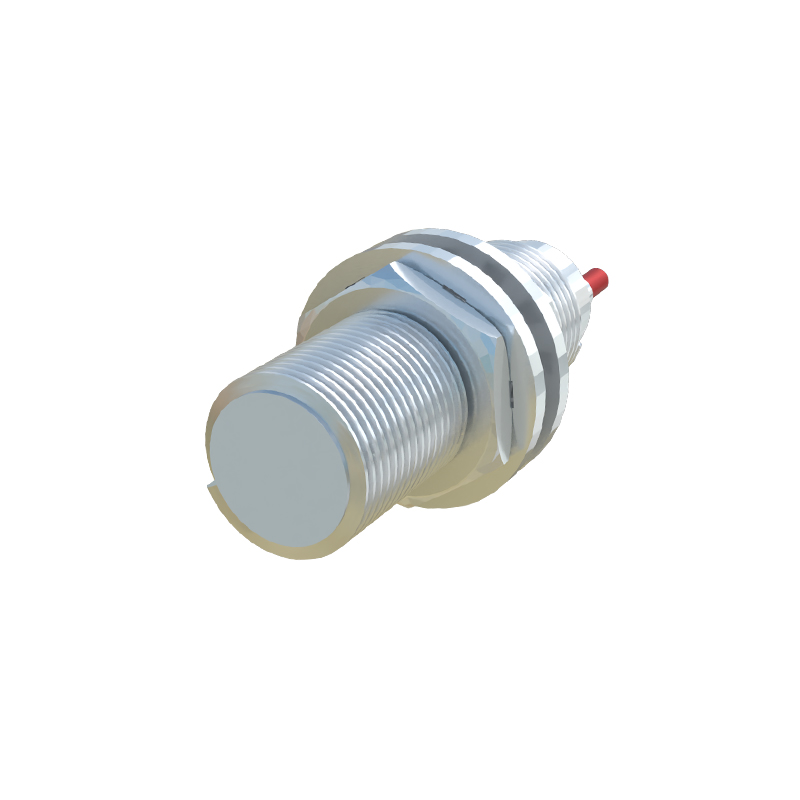
In material handling and packaging machinery, these sensors ensure seamless operation by detecting the position of products on conveyor belts. They can trigger actions like sorting, counting, or initiating the next phase of packaging when an object enters the sensing zone. Their non-contact nature means there is no wear and tear from physical interaction, leading to lower maintenance requirements and higher system longevity compared to mechanical limit switches.
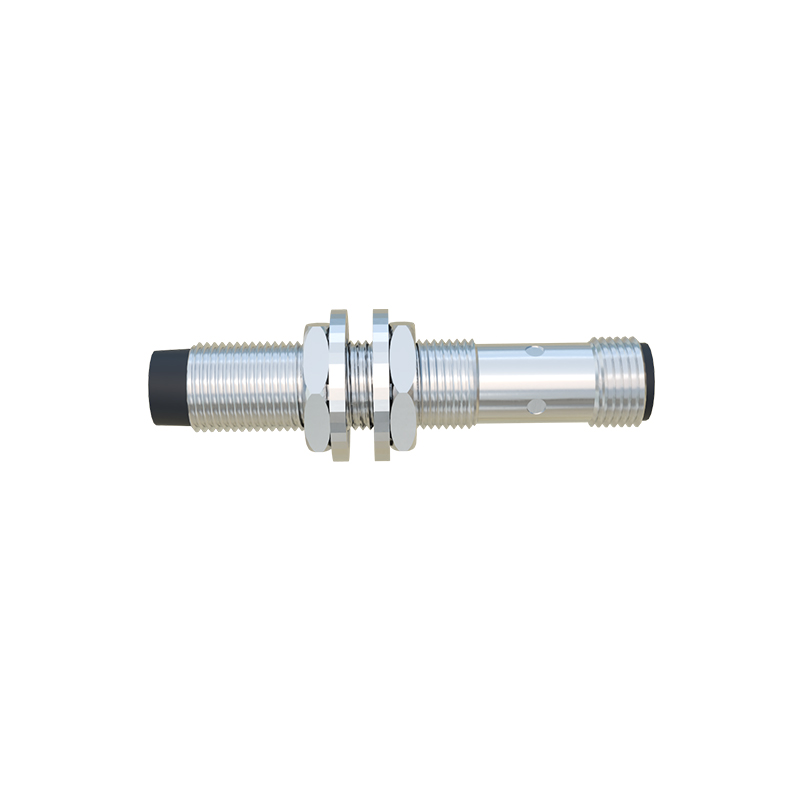
The selection of a Front Bay Proximity Sensor depends on several technical factors. Sensing range is a key specification, varying from a few millimeters to several meters, tailored to the application's needs. The type of output—digital (e.g., NPN or PNP) or analog—determines how the detection signal is communicated to the controller. Environmental ratings, such as IP (Ingress Protection) codes for dust and water resistance, are critical for sensors deployed in harsh conditions like outdoor settings or washdown areas in food processing plants.
Installation and alignment are straightforward yet important for optimal performance. The sensor must be mounted securely to minimize vibration, and its sensing face should be correctly oriented toward the target area. Regular calibration and testing are recommended to ensure continued accuracy, as factors like dirt accumulation, temperature extremes, or electrical interference can potentially affect performance over time.
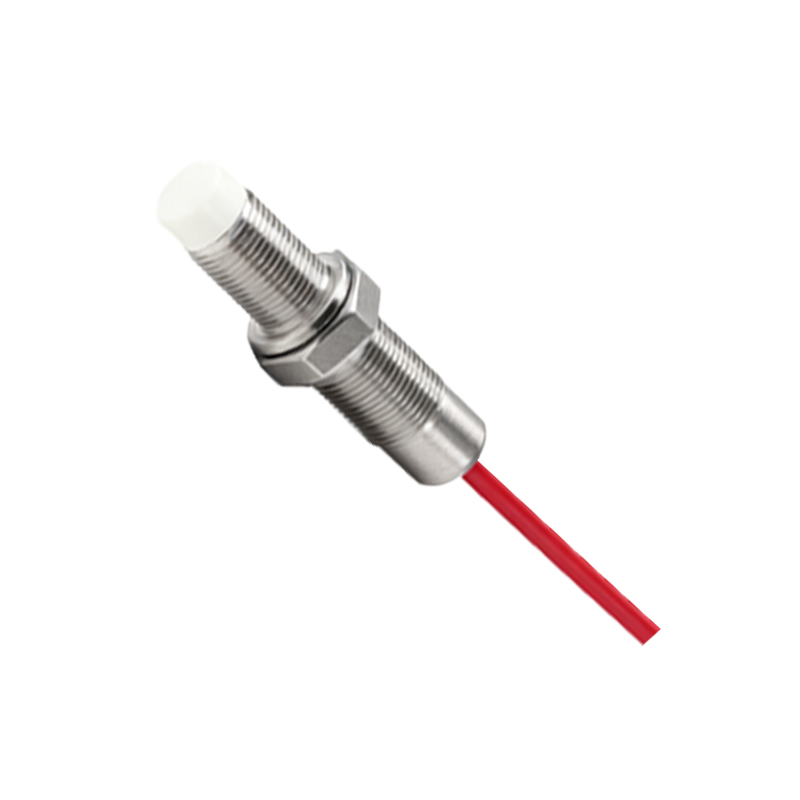
Looking forward, the integration of Front Bay Proximity Sensors with the Internet of Things (IoT) and Industry 4.0 frameworks is set to expand their capabilities. Smart sensors with embedded diagnostics and network connectivity can provide predictive maintenance alerts, operational data analytics, and remote configuration, driving efficiency to new levels. As machine vision and LiDAR technologies advance, proximity sensors will continue to play a complementary role, offering a cost-effective and highly reliable solution for basic presence detection in complex automated systems.
In conclusion, Front Bay Proximity Sensors are more than just simple switches; they are essential enablers of automation, safety, and efficiency. Their ability to provide reliable, contactless detection in challenging environments makes them a cornerstone technology across automotive, industrial, and commercial sectors. By understanding their operation, benefits, and application requirements, engineers and system integrators can leverage these devices to build smarter, safer, and more productive systems for the future.