In the rapidly evolving landscape of industrial automation and smart technology, the role of high-quality proximity sensors has become fundamentally indispensable. These sophisticated devices, operating without physical contact, are the silent sentinels that enable machinery to perceive its environment, triggering actions with remarkable speed and accuracy. Their application spans a breathtaking array of industries, from automotive assembly lines and packaging machinery to consumer electronics and advanced robotics. The distinction between a standard sensor and a truly high-quality one lies not just in detection, but in consistent performance, durability, and integration capabilities that define operational excellence.
At its core, a proximity sensor detects the presence or absence of an object within a specified range. However, the engineering behind a premium sensor involves a complex interplay of technologies. Inductive sensors, for instance, excel in detecting metallic objects and are renowned for their robustness in harsh industrial environments filled with dust, coolant, or vibrations. Capacitive sensors, on the other hand, can detect a wider variety of materials, including liquids, plastics, and wood, making them versatile for level detection or non-metallic object handling. Ultrasonic sensors use sound waves to measure distance and detect objects, proving invaluable where other technologies might struggle due to color or transparency. The selection of the right sensing principle is the first critical step toward achieving a reliable system.
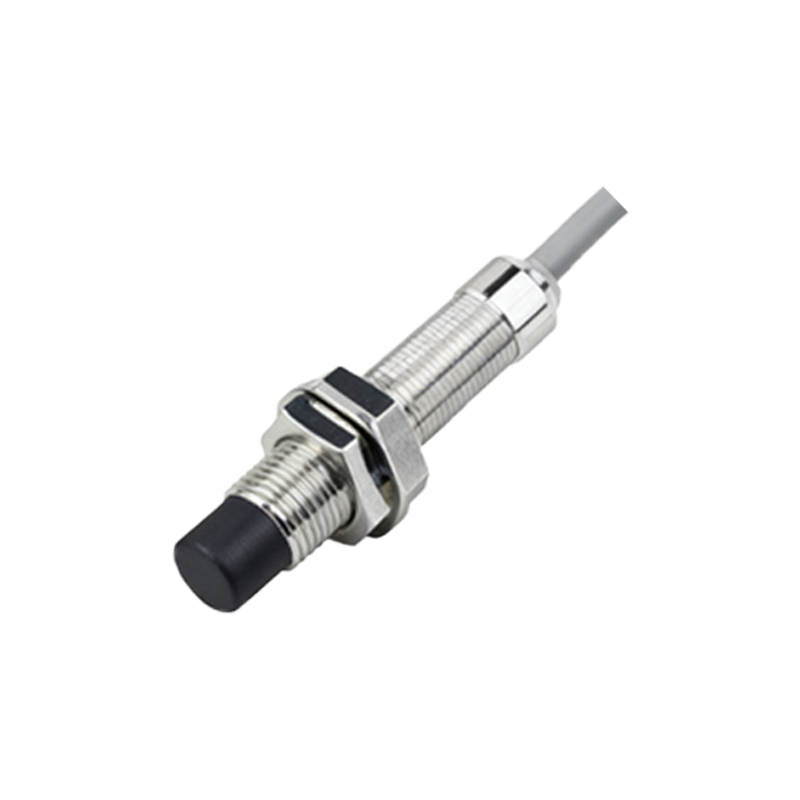
What truly separates a high-quality proximity sensor from its counterparts is its unwavering performance under demanding conditions. Precision is paramount; a top-tier sensor offers minimal repeatability error, meaning it triggers at exactly the same point every single time, which is crucial for tasks like robotic positioning or part verification. The sensing distance, or "snap point," is stable and resistant to influences from temperature fluctuations, voltage variations, or electromagnetic interference (EMI). This stability prevents false triggers and missed detections, which can lead to costly production downtime, defective products, or even safety hazards.
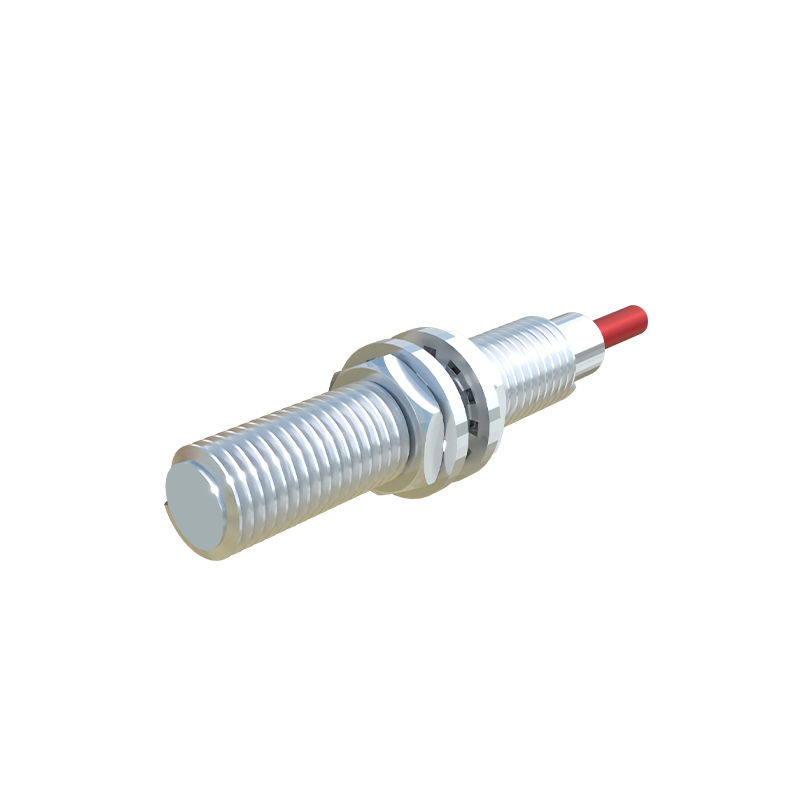
Durability and construction are equally telling indicators of quality. The housing of a premium sensor is typically crafted from stainless steel or high-grade nickel-plated brass, providing exceptional resistance to corrosion, impacts, and chemical exposure. The sensing face is often made of a specialized polymer that protects the internal electronics while allowing the electromagnetic field or sound waves to pass through unimpeded. These sensors are frequently rated with high Ingress Protection (IP) codes, such as IP67 or IP69K, signifying complete protection against dust and the ability to withstand high-pressure, high-temperature washdowns—a necessity in food processing or pharmaceutical manufacturing.
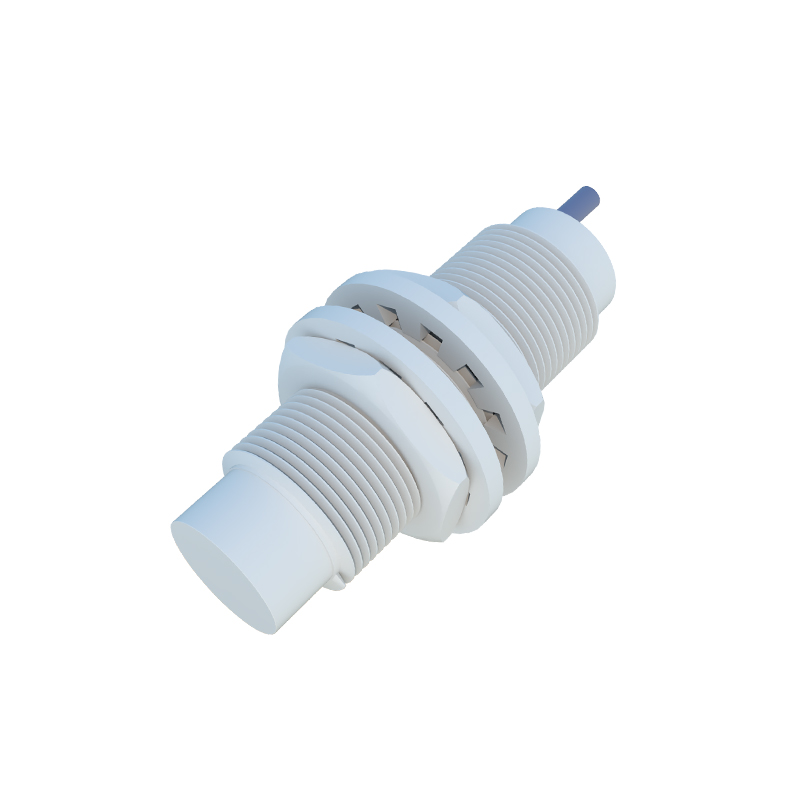
Furthermore, advanced features integrated into high-quality sensors significantly enhance their value and ease of use. Built-in diagnostics, such as LED indicators that show operational status and signal strength, allow for quick troubleshooting and maintenance. Short-circuit and overload protection safeguard both the sensor and the connected control system from electrical faults. Some models offer programmability, enabling engineers to fine-tune parameters like output delay or switching hysteresis directly on the device, reducing dependency on controller programming and increasing flexibility.
The impact of deploying such reliable components is profound. In manufacturing, they ensure seamless automation, optimizing production speed while maintaining stringent quality control. They are critical for safety applications, forming the backbone of light curtains and area guarding systems that protect personnel. In the realm of the Internet of Things (IoT) and Industry 4.0, high-quality proximity sensors with digital communication capabilities (like IO-Link) provide not just a simple on/off signal, but a wealth of diagnostic and process data. This data enables predictive maintenance, where potential failures can be anticipated and addressed before they cause a stoppage, and allows for finer process optimization.
Ultimately, investing in high-quality proximity sensors is an investment in system integrity and long-term operational efficiency. While the initial cost may be higher than that of a generic alternative, the total cost of ownership is invariably lower. The reduction in unplanned downtime, the elimination of errors caused by sensor inaccuracy, and the extended service life translate directly into higher productivity, improved product quality, and greater return on investment. As automation systems grow more complex and interconnected, the demand for sensors that offer not just function, but guaranteed reliability and intelligence, will only intensify. Choosing a sensor is no longer just a technical specification check; it is a strategic decision for building a resilient and future-ready operation.