In the world of automation and smart technology, proximity sensors are the silent, unseen workhorses. They detect the presence or absence of an object within a defined range without any physical contact. This fundamental capability makes them indispensable across countless industries, from manufacturing and automotive to consumer electronics and robotics. Unlike mechanical switches, they offer reliability, long operational life, and high-speed response, enabling precise control and safety in complex systems.
The core principle behind proximity sensors is simple: they emit a field or beam of energy and look for changes in the field or the return signal. The nature of this energy defines the primary types of sensors. Inductive proximity sensors are among the most common. They generate an electromagnetic field. When a metallic object enters this field, it induces eddy currents within the object, which in turn cause a change in the sensor's own oscillation amplitude. This change is detected, triggering an output signal. These sensors are robust, excellent for harsh industrial environments, and are used for tasks like counting metal parts, detecting piston position in cylinders, or ensuring machine safety.
Capacitive proximity sensors, on the other hand, can detect both metallic and non-metallic objects—liquids, plastics, wood, or granules. They function by generating an electrostatic field. Any object that enters this field alters the capacitance of the sensor's circuit. This alteration is measured, and when it reaches a preset threshold, the sensor activates. This makes them perfect for level detection in tanks (e.g., monitoring liquid or powder levels), material handling, and even touch-sensitive interfaces.
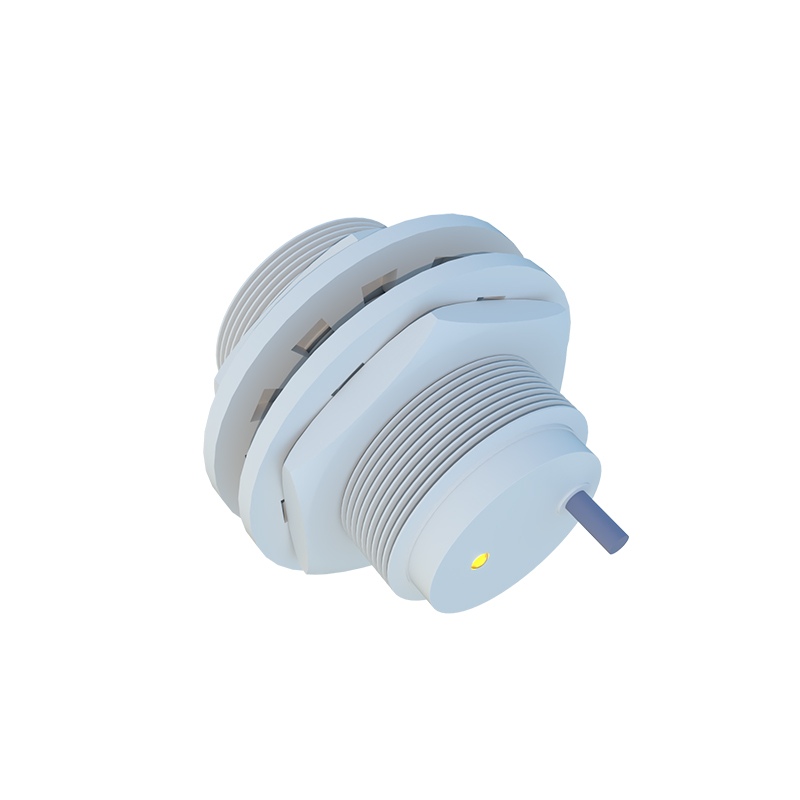
For longer-range detection and applications involving non-metallic materials where precise distance measurement is needed, photoelectric sensors are the go-to choice. They operate by emitting a beam of light (usually infrared, laser, or visible LED) and detecting its reflection. There are three main configurations: through-beam (separate emitter and receiver), retro-reflective (bounces light off a reflector), and diffuse (reflects light directly off the target object). They are incredibly versatile, used in packaging lines, conveyor belt systems, and as safety curtains.
Ultrasonic proximity sensors use sound waves beyond the human hearing range. They emit high-frequency ultrasonic pulses and calculate distance by measuring the time it takes for the echo to return. This time-of-flight principle allows them to detect objects regardless of color, transparency, or material, and they work well in dusty or foggy environments. Common applications include parking assistance systems, tank level sensing, and collision avoidance in automated guided vehicles (AGVs).
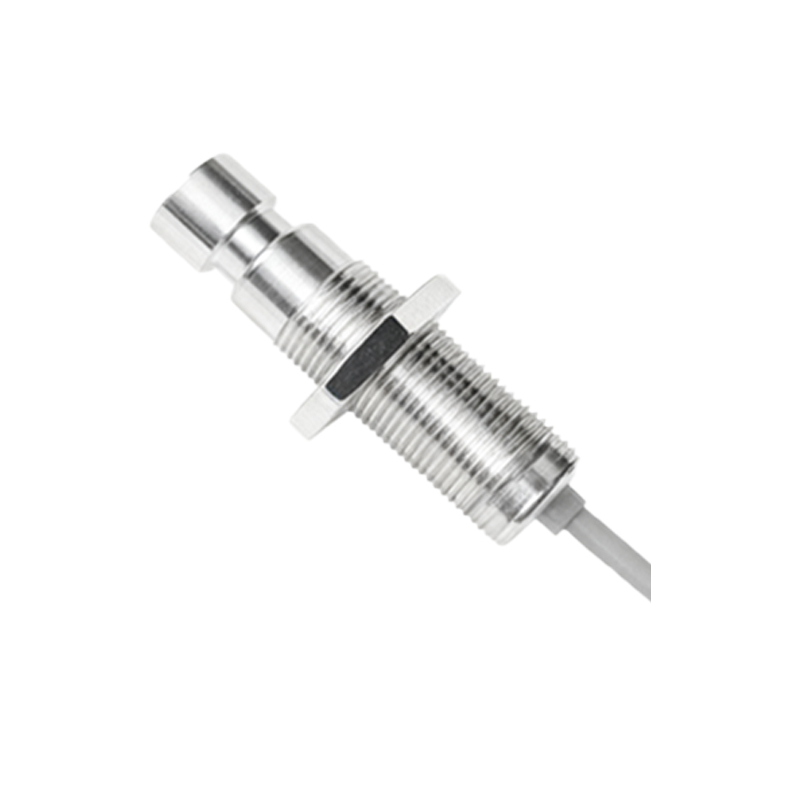
Magnetic proximity sensors, often called reed switches or Hall-effect sensors, detect the presence of a permanent magnet. Reed switches use ferromagnetic reeds that close when a magnetic field is applied. Hall-effect sensors produce a voltage output when exposed to a magnetic field. They are widely used for detecting door or cover positions (open/closed), in automotive systems for sensing wheel speed or gear position, and in simple position sensing.
The selection of the right proximity sensor depends on several critical factors. The nature of the target material is paramount—metal, plastic, liquid? The required sensing distance, or range, is another key consideration. Environmental conditions such as temperature extremes, presence of dust, oil, or moisture will dictate the sensor's housing and ingress protection (IP) rating. The required output type—digital (PNP/NPN) or analog—and the response speed are also vital for integration into a control system.
Looking forward, the evolution of proximity sensing is tightly linked with the Internet of Things (IoT) and Industry 4.0. Modern sensors are becoming smarter, with integrated IO-Link communication that allows for parameter setting, real-time diagnostics, and process data monitoring remotely. This predictive capability moves maintenance from a scheduled activity to a need-based one, minimizing downtime. Furthermore, miniaturization continues to open new frontiers, particularly in consumer electronics, where proximity sensors manage display on/off functions during phone calls or enable gesture control.

In conclusion, proximity sensors are a foundational technology enabling automation, safety, and efficiency. Their ability to provide reliable, non-contact detection solves myriad challenges in machine control and object handling. Understanding their distinct types, operating principles, and application strengths is essential for engineers and designers to build smarter, more responsive, and safer systems for the future.