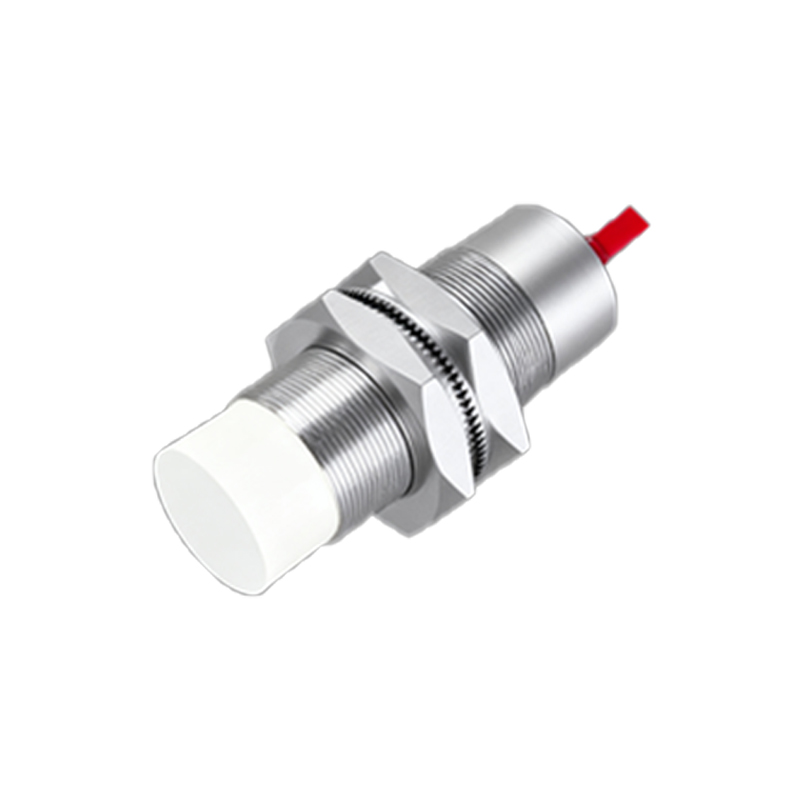
In the realm of automation and smart technology, the proximity sensor stands as a fundamental yet transformative component. Its core function—detecting the presence or absence of an object within a specified range without physical contact—has catalyzed advancements across countless industries. Concept design for these sensors is not merely about selecting an off-the-shelf module; it is a meticulous engineering process that balances detection principles, environmental constraints, power efficiency, and integration capabilities.
The journey begins with selecting the underlying sensing technology. Inductive proximity sensors, which generate an electromagnetic field to detect metallic objects, are the stalwarts of industrial manufacturing. Their robustness in harsh environments makes them ideal for position sensing in machinery or counting metal parts on a conveyor. Capacitive sensors, on the other hand, can detect a wider variety of materials, including liquids, plastics, and granular substances. This versatility opens doors for applications in liquid level sensing, material handling, and even touch-sensitive interfaces. Ultrasonic sensors use sound waves to measure distance to objects of any material, excelling in challenging conditions with dust, smoke, or variable lighting. Finally, photoelectric sensors, employing light beams (often infrared), offer high precision and long ranges, commonly found in packaging, security systems, and automated doors.
A sophisticated concept design must deeply consider the operational environment. Will the sensor face extreme temperatures, corrosive chemicals, high-pressure washdowns, or intense vibration? An IP (Ingress Protection) rating for dust and water resistance becomes crucial. For outdoor applications, immunity to ambient light interference is a key design parameter for photoelectric sensors, just as immunity to electrical noise is critical for inductive sensors on factory floors. The concept must also define the required sensing range, response time, and repeatability. A high-speed bottling line demands a sensor with a millisecond-level response, while a warehouse inventory robot might prioritize a longer range and wider detection field.
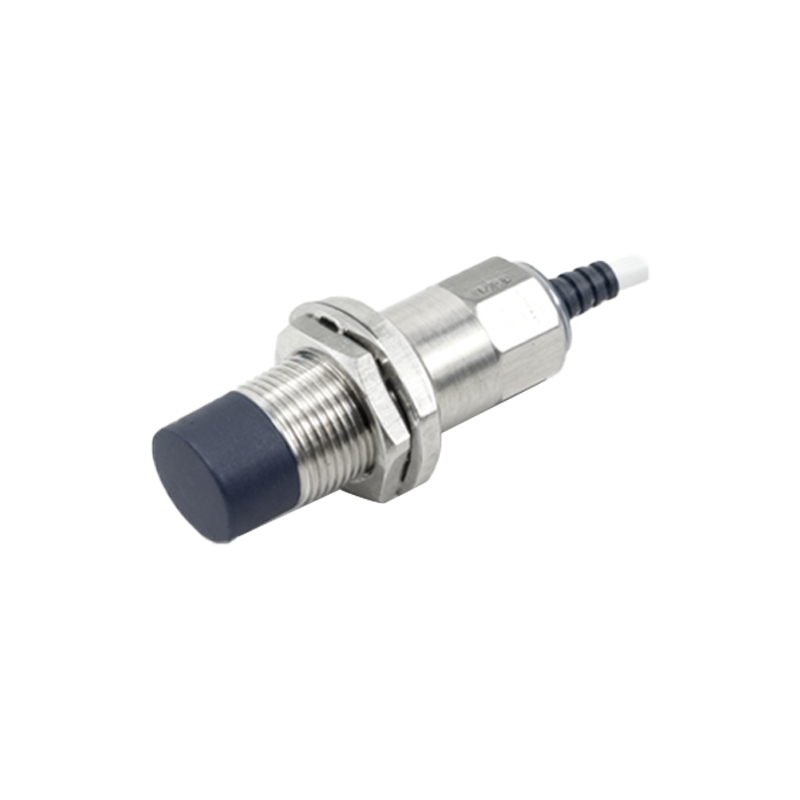
Power consumption is a driving force in modern concept design, especially for battery-operated and IoT devices. Designers strive to implement low-power modes, such as periodic wake-up cycles, to extend operational life. This is paramount for wireless sensor networks in smart agriculture or building automation. The physical form factor and mounting options are equally part of the conceptual phase. Miniaturization trends push for ever-smaller sensors that can be embedded into consumer electronics like smartphones and tablets for features like automatic screen blanking during calls.
The true innovation in contemporary proximity sensor concept design lies in integration and intelligence. A modern sensor is rarely a standalone switch. The concept increasingly incorporates onboard microprocessors for basic signal conditioning, diagnostics, and communication capabilities. IO-Link, a point-to-point serial communication protocol, is revolutionizing sensor design by enabling the bidirectional exchange of detailed parameter and process data, moving beyond a simple on/off signal. This allows for predictive maintenance, where the sensor can report its own health or warn of gradual performance degradation.
Looking forward, concept design is being shaped by the fusion of sensing technologies and artificial intelligence. Multi-sensor fusion concepts, combining data from proximity, vision, and inertial sensors, are creating more contextual and adaptive systems. For instance, in collaborative robotics, a proximity sensor array provides a safety bubble, but when fused with camera data, it allows for more nuanced human-robot interaction. Furthermore, the development of low-power, high-resolution sensors is enabling new applications in gesture recognition for consumer electronics and automotive interior sensing, where a wave of a hand can control infotainment systems.
Material science also plays a pivotal role. The exploration of novel substrates and nanomaterials could lead to sensors that are flexible, transparent, or capable of detecting subtler presences. In healthcare, conceptual designs for non-contact proximity sensing are exploring vital sign monitoring or touchless interfaces in sterile environments.
In conclusion, proximity sensor concept design is a dynamic discipline at the intersection of physics, electronics, materials science, and software engineering. A successful design transcends basic detection; it anticipates environmental challenges, embraces energy constraints, leverages smart communication, and paves the way for intuitive human-machine interfaces. As the world moves towards greater autonomy and interconnectivity, the humble proximity sensor, through thoughtful and innovative concept design, will continue to be a silent but indispensable enabler of progress.