Proximity sensors are ubiquitous in modern industrial automation, automotive systems, and consumer electronics. Their primary function is to detect the presence or absence of an object within a specific range without physical contact. To ensure these sensors operate reliably, a dedicated proximity sensor tester is an essential tool for technicians and engineers. Understanding the working principle of such a tester is fundamental to effective maintenance and troubleshooting.
At its core, a proximity sensor tester simulates the target object that the sensor is designed to detect. It does not merely check for electrical continuity; it validates the sensor's entire detection chain under conditions that mimic real-world operation. The principle hinges on interacting with the sensor's specific field or beam.
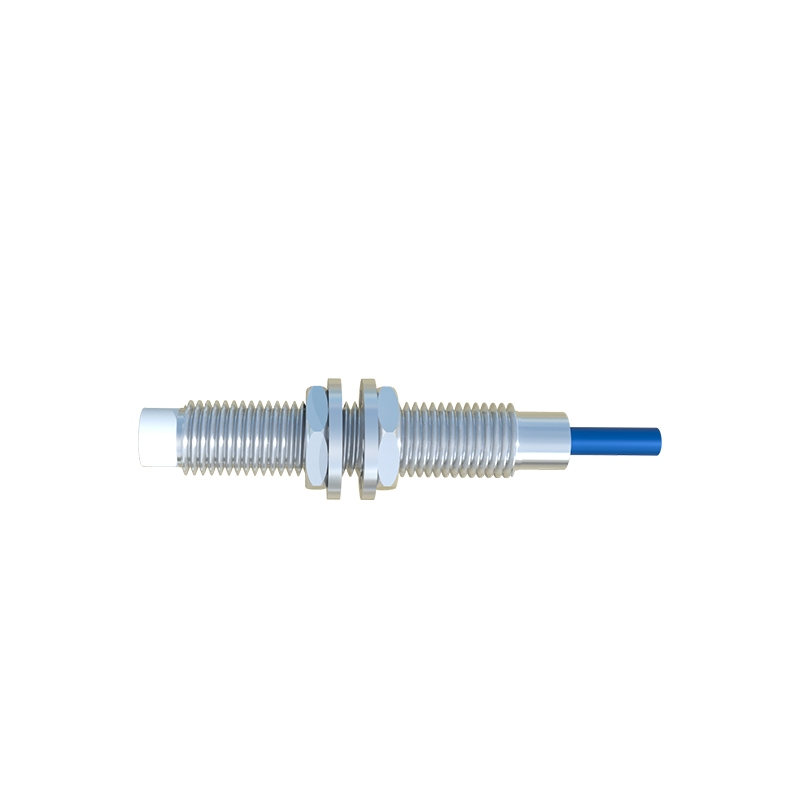
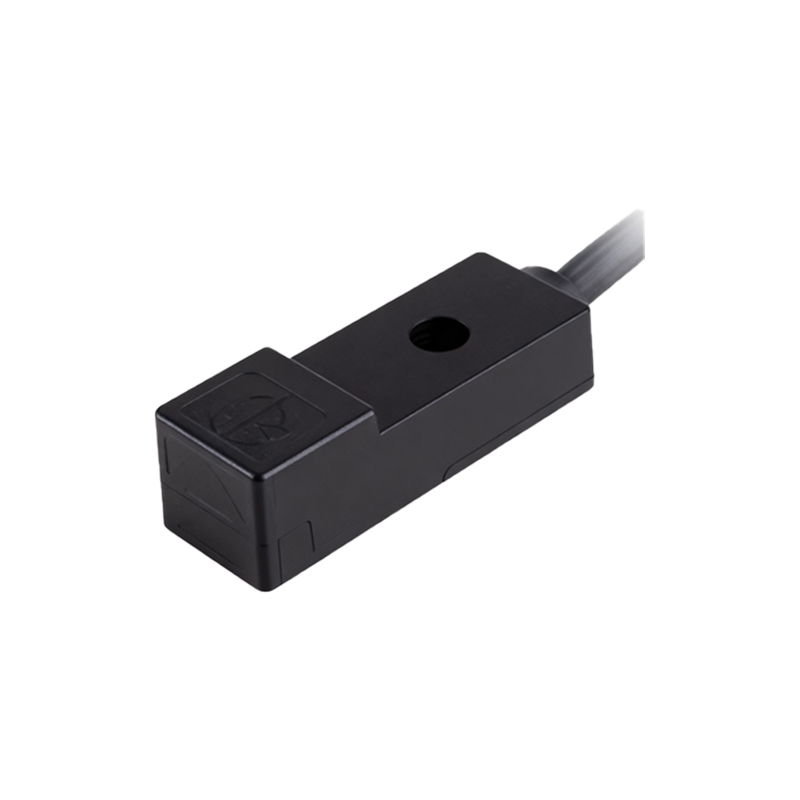
For inductive proximity sensors, which detect metallic objects, the tester contains an internal coil and oscillator circuit. When brought near the sensor, the tester's coil presents a specific, calibrated metallic mass. This mass interacts with the sensor's own electromagnetic field, causing a change in oscillation amplitude. A quality tester is designed to trigger the sensor at a precise, repeatable distance, allowing the user to verify the sensor's nominal switching point or sensing distance. The tester essentially acts as a "standard target," confirming that the sensor can detect an object of the correct material and size at its rated range.
Testing capacitive sensors, used for non-metallic materials like liquids, wood, or plastics, follows a similar but distinct principle. These sensors detect changes in capacitance. The tester for a capacitive sensor presents a dielectric material with a known surface area and dielectric constant. By moving this test surface into the sensor's active field, it alters the capacitance between the sensor's electrode and ground. The tester verifies that this change is sufficient to trigger the sensor's output switch. Some advanced testers can adjust their effective "capacitance" to simulate different materials or fill levels.
For photoelectric sensors (through-beam, retro-reflective, and diffuse), the tester principle involves manipulating the light beam. A common photoelectric tester is a simple reflector or a light source/sensor combination. For a through-beam sensor, the tester might interrupt the beam with an opaque paddle. For a retro-reflective sensor, it uses a calibrated reflector. For a diffuse sensor, it presents a standard test object with a specific reflectivity at a set distance. The key principle is providing a consistent, repeatable optical signal that should be at the threshold of the sensor's detection capability, checking both its "light" and "dark" operation.
Ultrasonic sensor testers operate on the principle of acoustic reflection. They typically contain a sound-absorbing or sound-reflecting surface. By placing this surface at a known distance from the sensor, the tester validates the sensor's ability to send a pulse, receive the echo, and correctly calculate the time-of-flight to trigger its output. Some testers can simulate a fixed distance, allowing for precise calibration checks.
The internal circuitry of a comprehensive proximity sensor tester is sophisticated. It must not only present the correct physical stimulus (metal, dielectric, reflector) but also interpret the sensor's response. Most testers have a built-in display, often LEDs, and an audible buzzer. They monitor the sensor's output signal (PNP/NPN, NO/NC) and indicate a "pass" or "fail" status. The fundamental testing sequence is universal: connect the tester to the sensor's power supply and output wires, bring the tester's active head into the sensor's detection field, and observe if the sensor switches states correctly at the expected moment.
Using a dedicated tester, rather than a makeshift object, is crucial for several reasons rooted in its design principle: Accuracy (calibrated target), Safety (allows testing without machine cycle), Diagnostics (can often identify weak signals or hysteresis issues), and Standardization (ensures consistent results across different technicians and times). A proper tester applies the precise stimulus the sensor is calibrated for, revealing problems like reduced sensing range due to contamination, misalignment, electrical noise, or internal component drift.
In summary, the working principle of a proximity sensor tester is emulation and verification. It emulates the physical characteristics of the sensor's intended target—be it metal, material, light beam, or sound wave—in a controlled and repeatable manner. It then verifies that the sensor's entire system, from its sensing element to its output circuitry, responds correctly to this standardized stimulus. This process is indispensable for predictive maintenance, installation commissioning, and rapid fault diagnosis in any system reliant on non-contact detection.