In the realm of industrial automation and smart electronics, proximity sensors play a pivotal role in enabling non-contact detection, enhancing efficiency, and ensuring safety. South Korea, with its robust electronics and manufacturing sector, has emerged as a significant hub for high-quality sensor technology. Understanding the detailed specifications of Korean proximity sensors is crucial for engineers, procurement specialists, and system integrators to make informed decisions.
Korean proximity sensors are renowned for their precision, durability, and innovative features. They are broadly categorized based on their sensing principles: inductive, capacitive, and photoelectric. Inductive sensors are predominantly used for detecting metallic objects, capacitive sensors can detect both metallic and non-metallic materials, and photoelectric sensors utilize light beams for detection across longer distances.
Key specifications define the performance and suitability of these sensors for any given application. The first and foremost is the Sensing Distance. This is the maximum distance at which the sensor can reliably detect a standard target. Korean manufacturers often offer sensors with standardized sensing ranges (e.g., 2mm, 5mm, 10mm, 20mm) and also provide adjustable or embeddable models for specialized needs. It is critical to note that the actual sensing distance can be affected by the target material, size, and environmental conditions.
The Output Type is another fundamental specification. Common outputs include NPN (sinking) and PNP (sourcing) transistor configurations for DC sensors, and relay or solid-state outputs for AC/DC models. The choice between NPN and PNP depends on the control system's input module (e.g., PLC). Many advanced Korean sensors now feature IO-Link digital communication, enabling detailed parameter setting, diagnostics, and process data exchange, which aligns with Industry 4.0 trends.
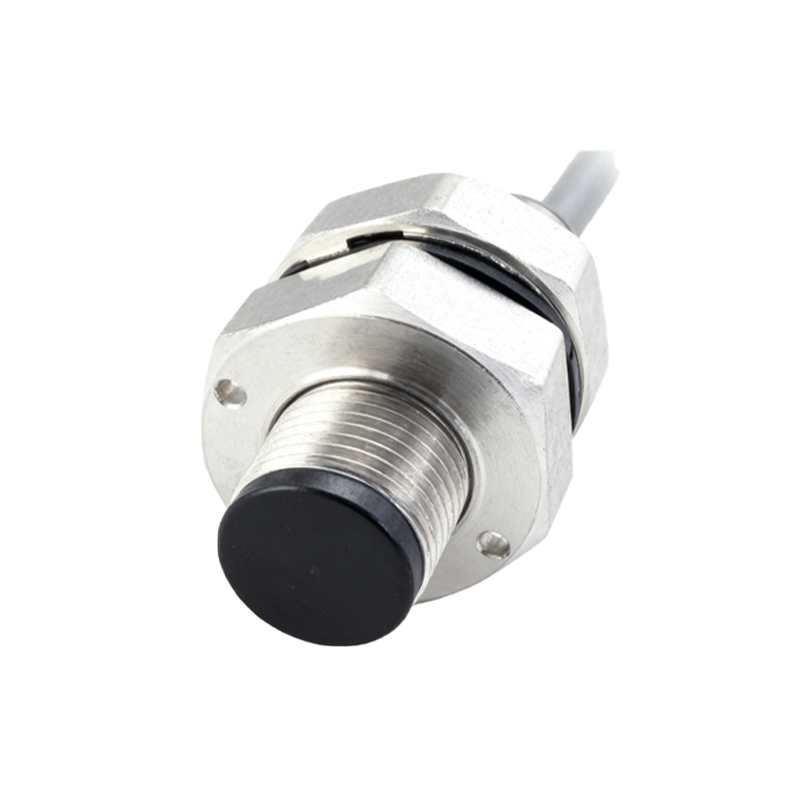
Response Time and Switching Frequency are critical for high-speed applications. Response time refers to how quickly the sensor reacts to the presence or absence of a target, typically measured in milliseconds or microseconds. Switching frequency, measured in Hertz (Hz), indicates how many on/off cycles the sensor can handle per second. Korean sensors designed for automation in semiconductor or packaging industries often boast exceptionally high frequencies.
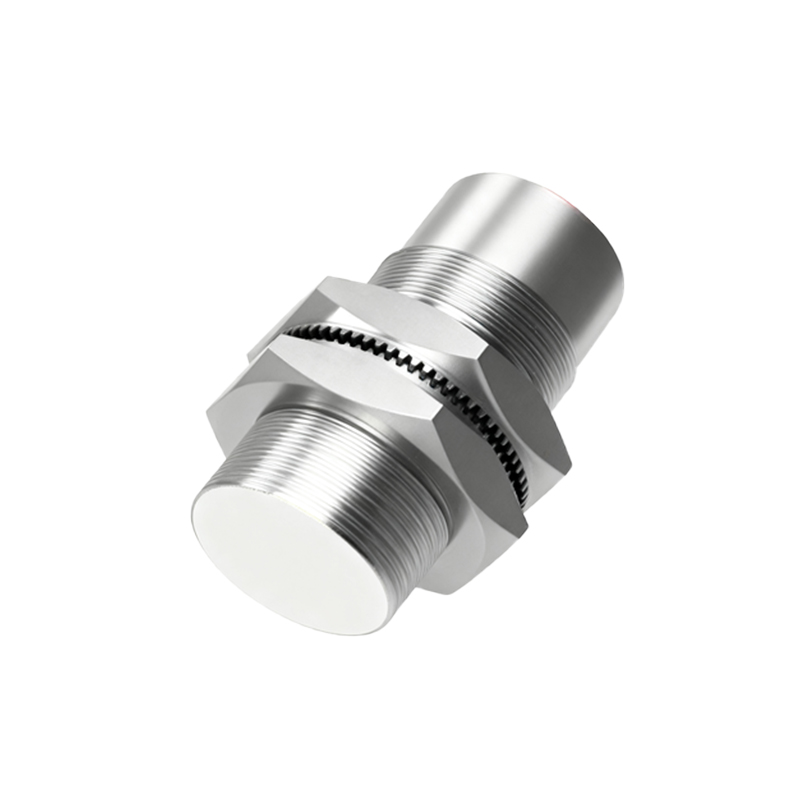
Environmental Ratings are where Korean sensors particularly excel. The Ingress Protection (IP) rating (e.g., IP67, IP69K) indicates the level of protection against dust and water. For harsh environments like automotive washdowns or food processing, a high IP rating is non-negotiable. Similarly, operating temperature range ensures stable performance in cold storage or near hot machinery. Many models are built with robust housings made of PBT or stainless steel to resist chemicals, oils, and physical impact.
Electrical Characteristics must match the supply system. This includes the Supply Voltage range (e.g., 10-30V DC, 20-250V AC/DC) and Current Consumption. The Output Current (load current) specification defines how much current the sensor can switch, which must be compatible with the connected load. Protection against short-circuit, reverse polarity, and overload is a standard feature in quality Korean sensors, enhancing system reliability.
Additional features that are increasingly common include:
Diagnostic Indicators: LED status lights for power, output, and stability.
Shielded vs. Unshielded: Inductive sensors may be shielded (flush-mountable) or unshielded (offer longer sensing distances).
Connection Types: Choices between pre-wired cables, quick-disconnect (M8, M12 connectors), or terminal blocks for flexibility in installation.
When selecting a Korean proximity sensor, a systematic approach is recommended. First, define the application's core requirements: target material, required sensing distance, and required speed. Second, assess the installation environment for factors like temperature, moisture, and potential interference. Third, ensure electrical compatibility with your existing control system. Finally, consider long-term factors like mean time between failures (MTBF), ease of maintenance, and the manufacturer's technical support and warranty.
Leading Korean manufacturers and brands invest heavily in R&D, ensuring their sensors meet international standards and cater to global market demands. Their products are integral components in automotive assembly lines, consumer electronics manufacturing, robotic systems, and smart infrastructure projects worldwide.
In conclusion, the specifications of a proximity sensor are its language. A deep understanding of parameters like sensing distance, output type, environmental ratings, and response characteristics allows for the optimal selection of a Korean proximity sensor. This ensures not only the seamless integration and high performance of an automated system but also its longevity and cost-effectiveness over its operational lifecycle.