In the world of industrial automation and electronic control, proximity switch sensors are indispensable components. These non-contact sensing devices detect the presence or absence of an object within a specific range without any physical contact. Their reliability, speed, and durability make them a cornerstone of modern manufacturing, robotics, and safety systems.
At their core, proximity sensors operate by emitting an electromagnetic field, beam, or ultrasonic waves. When a target object enters this field, it causes a change in the signal. The sensor's circuitry detects this change and triggers an output signal, typically to switch a circuit on or off. This fundamental principle allows for precise, wear-free detection, a significant advantage over mechanical limit switches.
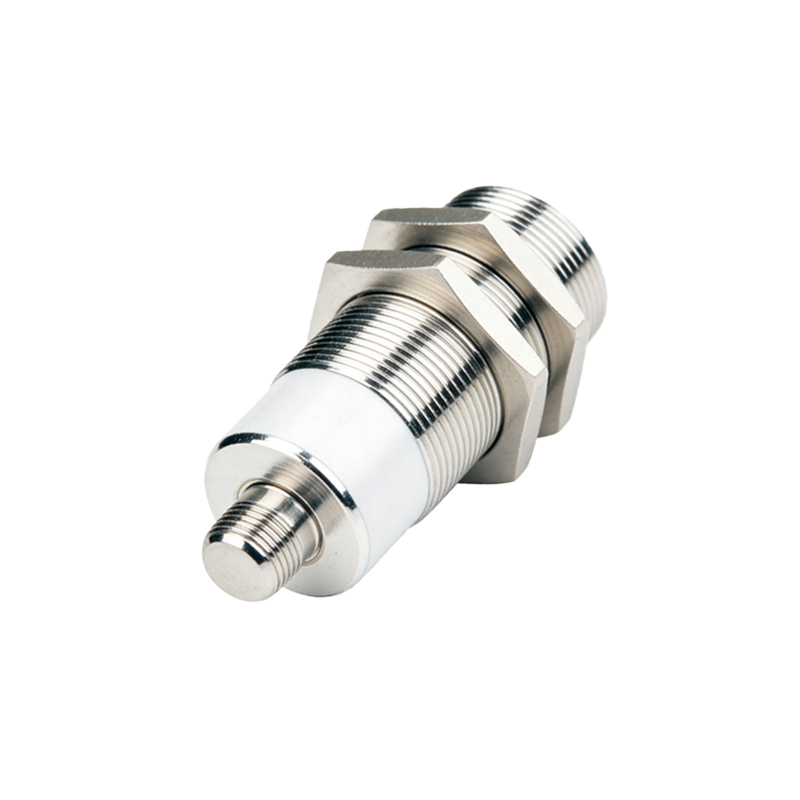
Several primary types of proximity sensors dominate the market, each suited for different materials and environments. Inductive proximity sensors are perhaps the most common. They generate an oscillating electromagnetic field and detect the eddy current losses caused when a metallic object enters the field. Consequently, they are ideal for detecting metals like steel, aluminum, or copper and are widely used in machine tools, automotive assembly, and metal detection applications. Their sensing range is relatively short but highly reliable.
Capacitive proximity sensors, on the other hand, can detect both metallic and non-metallic materials, including liquids, plastics, glass, and wood. They function by measuring changes in capacitance between the sensor and the target object. This makes them versatile for tasks like liquid level detection, material handling of non-metals, and presence detection of packaged goods. They are sensitive to environmental factors like humidity and require careful calibration.
For longer-range detection, photoelectric sensors use a beam of light, often infrared, to sense objects. While not always classified strictly as "proximity switches" in the same family, their function is analogous. Ultrasonic sensors use sound waves and are excellent for detecting objects of virtually any material, as well as measuring distance, making them useful in challenging environments with dust or vapor.
The selection of the right proximity sensor is critical for system performance. Key parameters include sensing distance, which should have a 10-20% safety margin from the actual application distance; the target material and size; the output type (e.g., NPN or PNP transistor, analog); and the environmental conditions. Factors like temperature extremes, presence of chemicals, washdown requirements (IP rating), and electrical noise must be carefully considered. For instance, a stainless-steel housed sensor with a high IP69K rating is necessary for food and beverage processing, while a shielded inductive sensor is preferred in tight spaces to prevent side-interference.
Applications are vast and varied. On factory floors, they provide precise positioning for robotic arms, count products on conveyors, monitor spindle positions on CNC machines, and ensure safety doors are closed. In automotive manufacturing, they verify part placement and control automated welding. Beyond industry, they are found in elevators for floor positioning, in consumer devices like smartphones for screen blanking during calls, and in anti-collision systems.
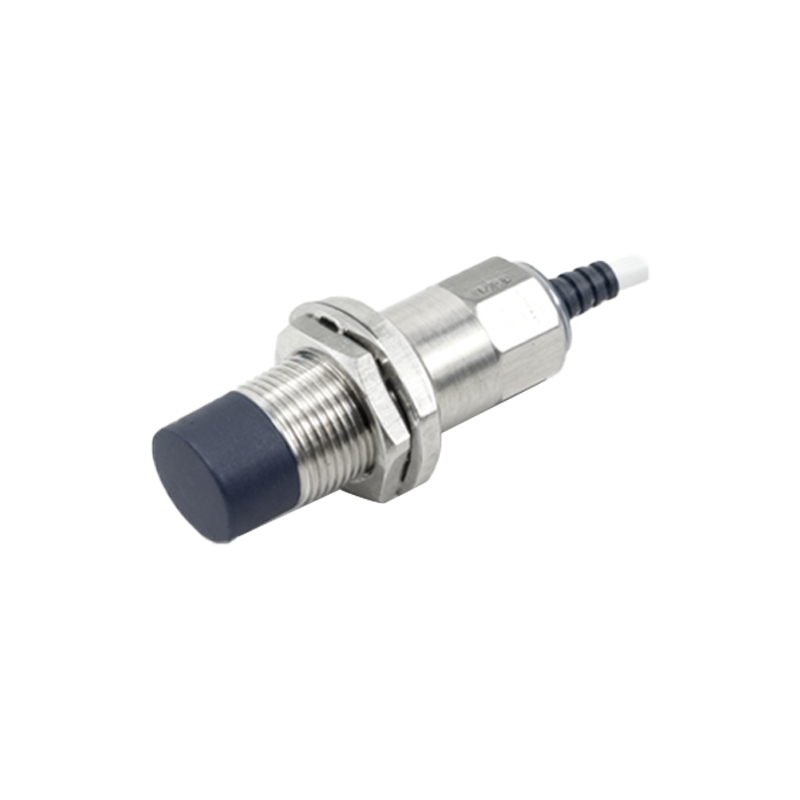
Installation and wiring are generally straightforward, but attention to detail prevents malfunctions. Sensors should be mounted securely, avoiding excessive vibration. Adequate clearance from other metal objects is necessary to prevent false triggering. Proper grounding and the use of shielded cables in electrically noisy environments are essential practices. Regular maintenance involves checking for physical damage, buildup of debris on the sensing face, and verifying the output signal.
Looking ahead, the evolution of proximity sensors points toward miniaturization, increased intelligence, and enhanced connectivity. Modern sensors now integrate IO-Link communication, allowing for parameter setting, remote diagnostics, and process data monitoring directly from the control system. This integration into the Industrial Internet of Things (IIoT) framework enables predictive maintenance and greater operational transparency.
In conclusion, proximity switch sensors are a silent yet powerful force driving efficiency and automation. Understanding their operating principles, types, and selection criteria empowers engineers and technicians to design more robust, reliable, and intelligent systems. From a simple presence check to a complex positional control task, the right proximity sensor provides a critical link between the physical and control worlds, ensuring seamless and uninterrupted operation.