In the rapidly evolving landscape of industrial automation and consumer electronics, the role of proximity sensors has expanded far beyond simple detection. Increasingly, these sophisticated devices are being deployed as direct replacements for older, less efficient, or more cumbersome technologies. This shift is not merely a matter of component substitution; it represents a fundamental upgrade in system intelligence, reliability, and functionality.
Traditionally, many mechanical systems relied on physical limit switches, mechanical levers, or simple contact-based methods to determine the presence or position of an object. While functional, these methods suffer from inherent drawbacks: mechanical wear and tear leading to failure, the need for physical contact which can damage delicate objects, and slower response times. Proximity sensors, which detect the presence of nearby objects without any physical contact, elegantly solve these issues. By emitting an electromagnetic field or a beam of radiation, they sense changes in the field or return signal to identify an object's presence. This non-contact operation is their primary advantage, making them ideal replacements in environments where hygiene, speed, or object preservation is critical.
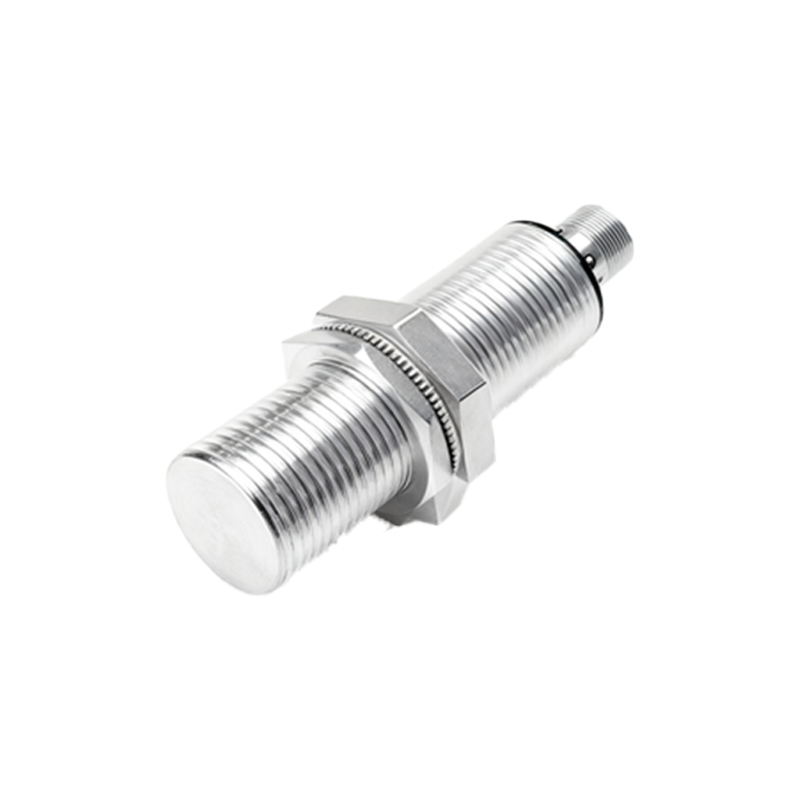
One of the most significant areas of replacement is in manufacturing and packaging lines. Photoelectric sensors, a type of proximity sensor using light beams, have largely supplanted mechanical tripwires and rollers for counting and positioning items on conveyor belts. They offer higher counting accuracy, incredible speed unaffected by inertia, and require no moving parts that can jam or break. Similarly, inductive proximity sensors, which detect metallic objects, are now standard replacements for mechanical limit switches on robotic arms, CNC machines, and automated guided vehicles (AGVs). They provide precise, repeatable positioning feedback for robotic end-effectors, eliminating the bounce and delay associated with physical switches and enabling smoother, more precise movements.
In the realm of automotive engineering, proximity sensors have become indispensable replacements. They form the core of modern parking assistance systems, replacing the driver's reliance on mirrors and estimation. Ultrasonic sensors around the vehicle's bumper create a detailed proximity map, alerting the driver to obstacles with audible cues. This technology has largely replaced simpler, less effective bumper-mounted mechanical rods or purely visual systems. Furthermore, capacitive proximity sensors are now used inside vehicles to replace physical buttons for climate control and infotainment systems, creating sleek, durable, and easy-to-clean surfaces while adding touchless gesture control.
Safety systems have seen profound improvements through sensor replacement. Machine guarding, once dependent on physical cages or mechanical interlocks that could be bypassed, now utilizes safety-rated laser scanners or capacitive sensors. These create invisible "protection fields" around hazardous machinery. If a person or object breaches this field, the system can trigger an immediate machine shutdown—a faster and more reliable response than any mechanical system. This non-contact safety replacement significantly enhances worker protection while allowing for more flexible and efficient workspace layouts.
Consumer electronics provide a clear example of how proximity sensors replace and enhance user interaction. In smartphones, an infrared proximity sensor sits near the earpiece, replacing the old mechanical or capacitive "cheek sensor." During a call, it detects when the phone is held to the face and automatically turns off the display to save power and prevent accidental screen presses. This seamless, invisible operation improves both battery life and user experience. Similarly, in smart home devices, microwave or ultrasonic proximity sensors replace traditional motion detectors (PIR sensors) for lighting control, offering wider coverage and the ability to detect subtle motion, even through thin materials.
The replacement trend is driven by concrete benefits. Proximity sensors offer superior longevity due to their solid-state construction with no moving parts. They enable faster system cycles because their response time is measured in milliseconds, unhindered by mechanical latency. Their non-contact nature reduces maintenance costs and downtime, as there is no physical wear on the sensor or the target object. Furthermore, they provide digital data output that integrates seamlessly with modern Programmable Logic Controllers (PLCs) and Industrial Internet of Things (IIoT) networks, enabling predictive maintenance and advanced data analytics—capabilities utterly impossible with the technologies they replace.
Looking forward, the role of proximity sensors as replacements will only grow. As industries pursue greater efficiency, miniaturization, and connectivity, the demand for intelligent, non-contact sensing solutions will continue to displace older electromechanical paradigms. From enabling the precise navigation of collaborative robots working alongside humans to facilitating touchless interfaces in public spaces, proximity sensors are not just components; they are key enablers of a more automated, safe, and intuitive technological future. Their adoption as direct replacements is a clear indicator of progress, swapping out the physical for the digital, the reactive for the proactive, and the simple for the smart.