Proximity sensors are indispensable components in modern automation, robotics, and countless electronic devices. Their primary function is to detect the presence or absence of an object within a specified distance without physical contact. A fundamental and often misunderstood specification of these sensors is their "sensing range." This term does not represent a single, fixed value but rather a complex performance characteristic influenced by multiple variables. Grasping the nuances of sensing range is crucial for selecting the right sensor and ensuring reliable system operation.
The nominal sensing range, typically listed on a sensor's datasheet, is the maximum distance at which the sensor can reliably detect a standard target under ideal laboratory conditions. This standard target is usually a square of mild steel (like Fe 360) with a side length equal to the sensor's diameter or the diameter of its sensing face. It's vital to understand that this is a benchmark figure. In real-world applications, the effective sensing range can be significantly different.
Several key factors directly impact the actual sensing range of a proximity sensor. The first is the target material. Inductive sensors, the most common type for detecting metals, are calibrated for ferrous metals like steel. Non-ferrous metals such as aluminum, copper, or brass are less detectable. For a given sensor, the sensing range for aluminum can be reduced by 40% to 60% compared to steel. Capacitive sensors, used for non-metallic materials, are also affected by the target's dielectric constant; materials with higher constants (like water or wood) are detected at greater ranges than those with lower constants (like plastics).
The second critical factor is target size and shape. The standard target is a specific size. A smaller target will reduce the effective sensing range. If a target is smaller than the sensor's active face, it may need to be much closer to be detected. Similarly, a thin wire presents a much smaller surface area than a solid block, drastically reducing the range. The target's approach angle also matters; approaching the sensor head-on provides the maximum range, while an angled approach reduces it.
Environmental conditions form the third major influence. Temperature extremes can affect the electronic components and oscillation circuits within the sensor, potentially altering its sensitivity and range. For inductive sensors, the presence of other metals in the vicinity—either as background or as adjacent machinery—can cause electromagnetic interference, leading to false triggering or reduced range. This is known as the "shielding effect." Contaminants like dust, oil, or coolant can coat the sensor face, attenuating the sensing field, especially for capacitive and ultrasonic sensors.
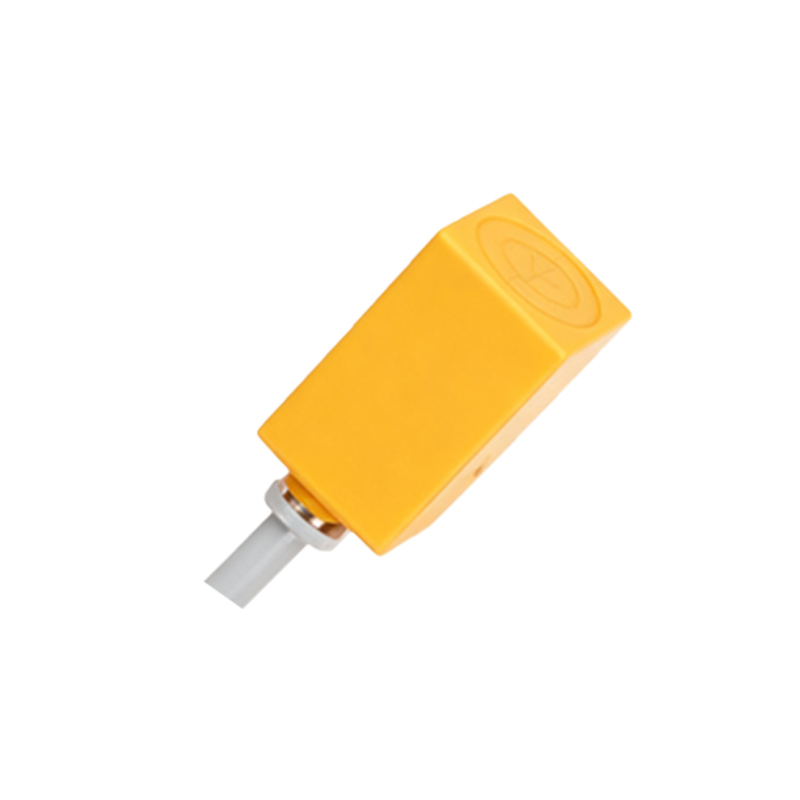
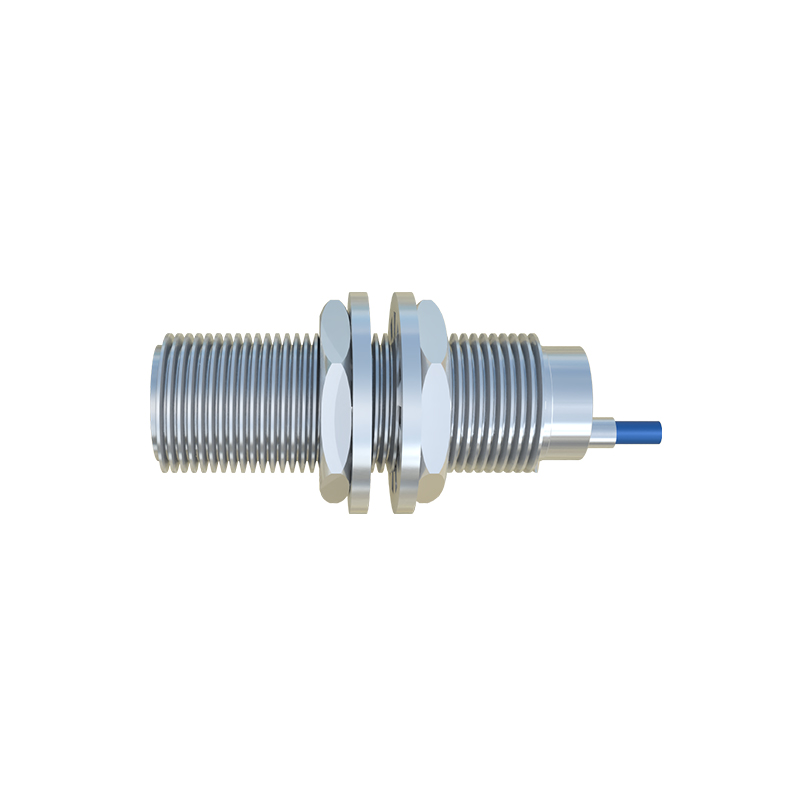
Sensor mounting and installation geometry are equally important. Flush-mountable sensors (shielded) are designed to be installed flush with a metal bracket. Their magnetic field is concentrated in front, making them immune to lateral metal interference but offering a shorter range. Non-flush mountable sensors (unshielded) have a more extended lateral field, providing a longer range but requiring a clear, metal-free zone around them to prevent false actuation.
Finally, electrical factors play a role. Supply voltage variations can affect performance. Most sensors have a specified operating voltage range, and operating at the lower limit might slightly reduce the sensing distance. Load current typically does not affect range, but it's essential for overall circuit design.
To ensure optimal performance, engineers must consider the application's specific context. It is a standard and critical practice to derate the nominal sensing range. A common safety factor is to use only 60% to 80% of the listed nominal range in the actual system design. This derating accounts for material differences, temperature drift, voltage fluctuations, and ensures consistent, reliable detection even under less-than-ideal conditions. Furthermore, regular maintenance to keep the sensor face clean and periodic verification of the detection distance are recommended for long-term reliability.
In conclusion, the sensing range of a proximity sensor is a dynamic parameter, not a static number. Successful implementation hinges on a thorough understanding of the target properties, environmental challenges, and correct sensor selection and mounting. By carefully evaluating these factors and applying prudent derating, designers can build robust, fail-safe automated systems that perform consistently on the factory floor, far from the perfect conditions of a datasheet.