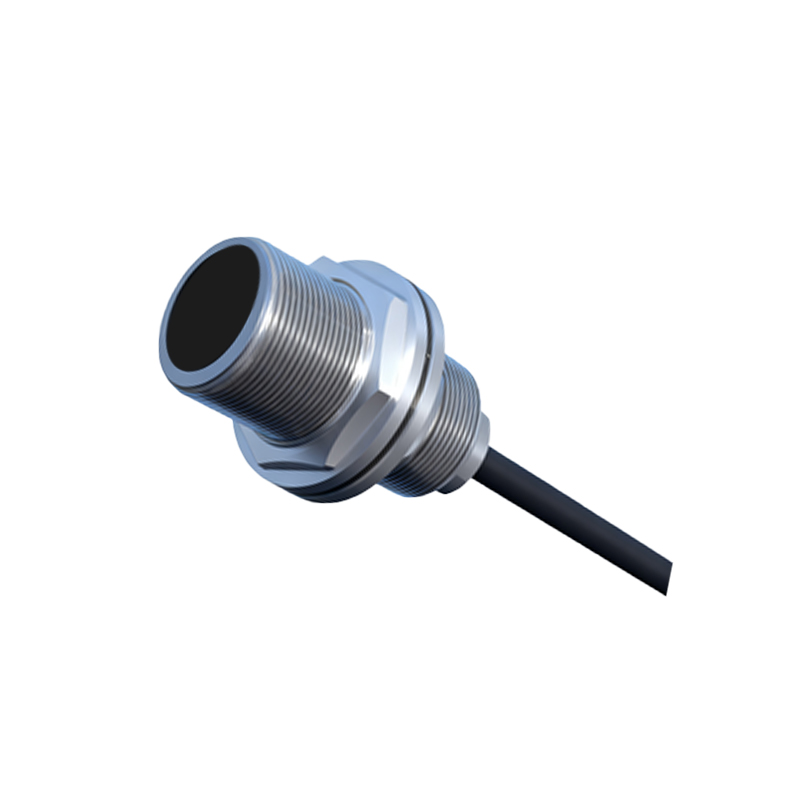
In today's rapidly evolving industrial and consumer electronics landscape, the demand for advanced proximity sensors has surged, driven by applications in automation, automotive safety, and smart devices. New proximity sensor supply is reshaping industries with cutting-edge technologies that offer enhanced accuracy, durability, and energy efficiency. These sensors, which detect the presence or absence of objects without physical contact, are now integral to systems ranging from assembly lines to smartphones.
The latest innovations in proximity sensor technology include improvements in sensing range, response time, and environmental adaptability. For instance, modern sensors utilize infrared, ultrasonic, and capacitive methods to operate reliably in diverse conditions, such as extreme temperatures or dusty environments. Suppliers are focusing on miniaturization, allowing sensors to be embedded in compact devices without compromising performance. This trend is particularly relevant for the Internet of Things (IoT), where small, low-power sensors enable seamless connectivity and data collection.
Market trends indicate a growing emphasis on customization and integration. As industries adopt Industry 4.0 practices, proximity sensors are being designed to interface with AI and machine learning systems, providing real-time data for predictive maintenance and process optimization. Automotive manufacturers, for example, rely on these sensors for collision avoidance and parking assistance, while healthcare applications include non-contact monitoring devices. The supply chain has adapted to meet these needs, with manufacturers offering scalable solutions and robust support services.
Challenges in the supply of new proximity sensors include cost pressures and the need for standardization across global markets. However, advancements in manufacturing processes, such as the use of semiconductor materials and automated production, are helping to reduce expenses and improve quality control. Additionally, sustainability concerns are pushing suppliers to develop eco-friendly sensors with longer lifespans and recyclable components.
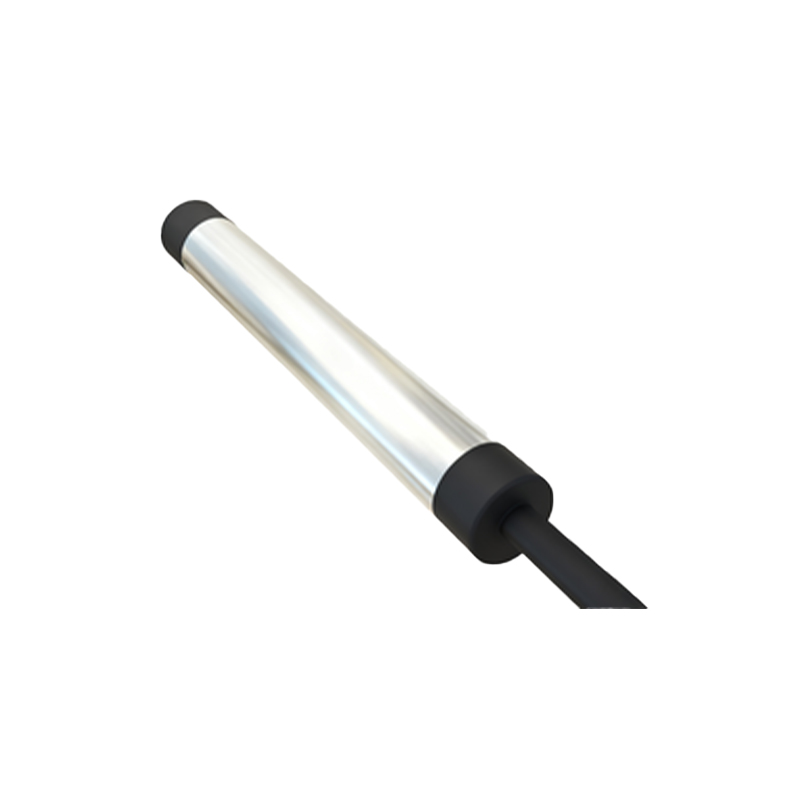
Looking ahead, the future of proximity sensor supply appears promising, with emerging applications in robotics, augmented reality, and smart infrastructure. As technology continues to advance, suppliers must prioritize innovation and collaboration to stay competitive. By delivering reliable, high-performance sensors, the industry can support the next wave of digital transformation, enhancing efficiency and safety across sectors.
In summary, the new proximity sensor supply is a dynamic field marked by technological progress and expanding applications. From industrial automation to everyday gadgets, these sensors play a crucial role in enabling smarter, more responsive systems. As demand grows, ongoing research and development will be key to addressing challenges and unlocking new possibilities.