In the world of industrial automation and machinery, proximity switch sensors are indispensable components for non-contact detection. However, the critical hardware that ensures their reliable and precise operation often goes unnoticed: the proximity switch sensor screws. These fasteners are far from mere accessories; they are fundamental to the sensor's performance, longevity, and the safety of the entire system. Selecting the wrong screw or installing it improperly can lead to sensor misalignment, false triggers, vibration-induced failure, or even catastrophic detachment.
The primary function of these screws is to secure the sensor housing firmly to its mounting bracket or machine frame. This demands a screw that can withstand constant vibration, potential shock loads, and environmental challenges like temperature fluctuations, moisture, or exposure to oils and coolants. Therefore, material selection is the first critical decision. For most general industrial applications, corrosion-resistant materials are paramount. Stainless steel screws, particularly grades like A2 or A4 (304 or 316), offer excellent resistance to rust and many chemicals, making them a versatile and common choice. In environments requiring high strength and durability, such as heavy machinery, alloy steel screws with a protective plating (like zinc or nickel) are often specified. For specialized applications involving extreme corrosion or where non-magnetic properties are necessary, such as near sensitive electronic equipment, brass or specific high-grade stainless steels may be used.
Equally important is the screw's mechanical design. The thread type must match the mounting hole, which is typically a metric coarse thread (e.g., M4, M5, M6, M8). The length must be sufficient to engage enough threads in the host material for a secure hold without being so long that it interferes with internal sensor components. Washers, especially spring washers or star washers, are frequently used in conjunction with these screws. They serve two vital purposes: first, to prevent the screw from loosening due to vibration by maintaining constant tension; second, to ensure proper electrical grounding of the sensor housing if required, by biting into the metal surfaces to create a reliable conductive path.
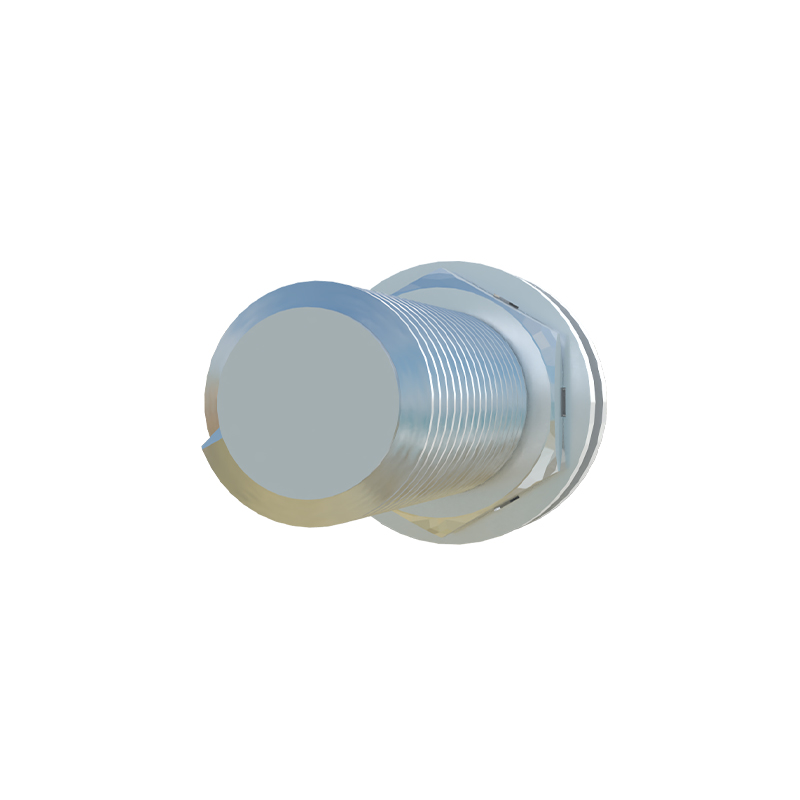
Installation is a process where precision matters. The mounting surface must be clean, flat, and free of burrs to ensure the sensor sits flush. Cross-threading during installation is a common and damaging error that can strip the threads in the mounting bracket, compromising the holding strength. Screws should be tightened sequentially and evenly if multiple are used, following a crisscross pattern to avoid distorting the sensor housing. The torque applied is crucial. Under-tightening leads to loosening; over-tightening can crack the sensor housing, distort its internal geometry, or strip the threads. Always adhere to the sensor manufacturer's specified torque values, which are typically provided in Newton-meters (Nm) or inch-pounds (in-lb). Using a calibrated torque wrench is the best practice for critical installations.
Maintenance involves periodic checks. As part of a routine machine maintenance schedule, technicians should visually inspect the screws for signs of corrosion, damage, or loosening. A gentle check with a torque wrench can confirm they remain at the proper specification. Re-tightening should only be done if necessary and always to the correct torque. When replacing a sensor or its screws, it is highly recommended to use the exact screw type specified by the original equipment manufacturer (OEM) or an engineer-approved equivalent. Substituting with an incorrect grade or size can introduce unforeseen risks.
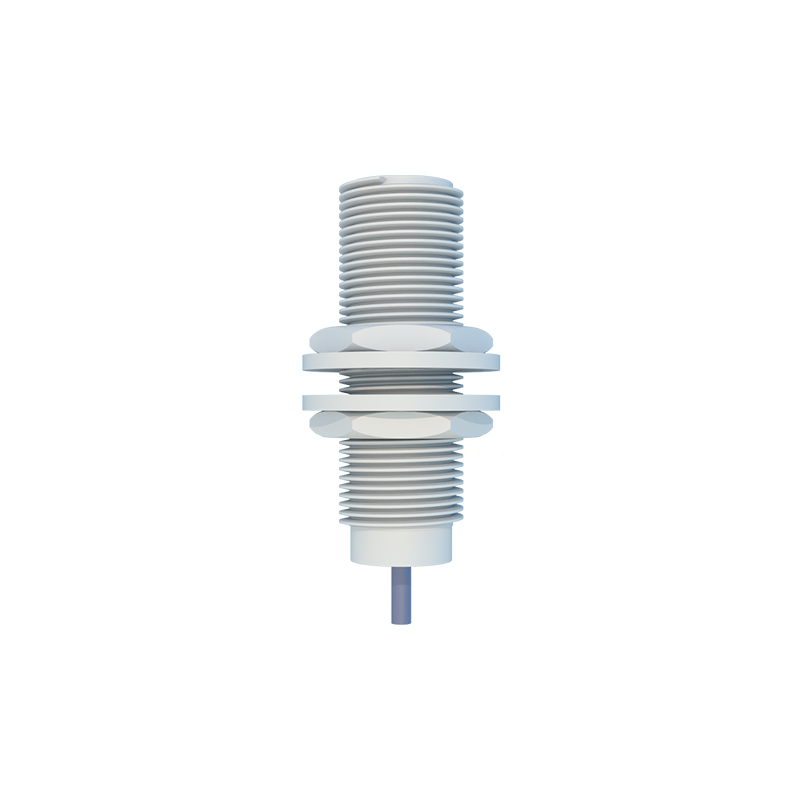
In summary, proximity switch sensor screws are a small component with a massive responsibility. Their correct selection—considering material, size, and auxiliary hardware—combined with meticulous installation and maintenance practices, forms the bedrock of sensor reliability. Ignoring these "simple" fasteners can result in unplanned downtime, costly repairs, and compromised operational safety. By giving these screws the attention they deserve, engineers and maintenance personnel ensure that the sophisticated sensing technology they support performs flawlessly day in and day out.