In the realm of modern technology, light sensors have become ubiquitous, quietly enabling functionalities in devices from smartphones to industrial automation. When exploring this technology through the lens of the Japanese language and Japan's significant contributions to the field, a fascinating intersection of linguistics, culture, and engineering emerges. The Japanese term for light sensor is "光センサー" (hikari sensā), a direct compound of "光" (hikari), meaning light, and "センサー" (sensā), the Japanized pronunciation of the English word "sensor." This term itself reflects a key aspect of modern Japanese technical vocabulary: the seamless integration of native concepts with imported gairaigo (loanwords).
Japan's approach to photoelectric technology is deeply rooted in a history of precision manufacturing and miniaturization. Companies like Hamamatsu Photonics, a global leader, didn't just produce components; they cultivated an entire ecosystem of photonic science. The language around these devices extends beyond the basic term. For instance, a photodiode, a fundamental type of light sensor, is "フォトダイオード" (fotodaiōdo). A more complex Charge-Coupled Device (CCD) sensor, famously pioneered by Sony for imaging, retains its acronym but is pronounced "シーシーディー・センサー" (shī-shī-dī sensā). Understanding these terms requires an appreciation for how Japanese technical language often adopts and adapts international standards while maintaining clarity.
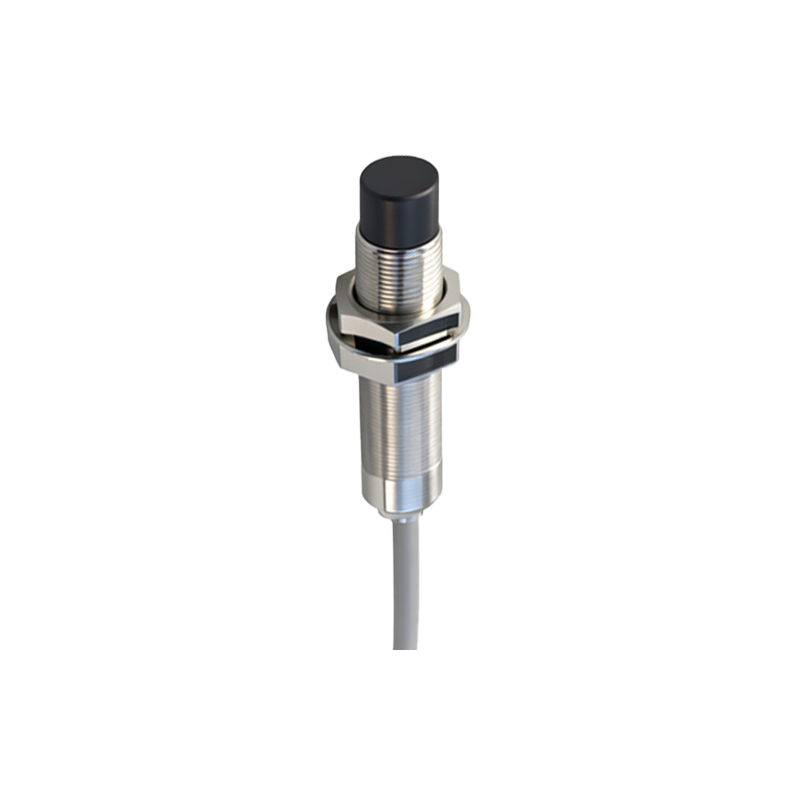
The application contexts further enrich the vocabulary. In automotive systems, where Japanese manufacturers excel, light sensors for automatic headlights might be discussed as "自動ヘッドライト用光センサー" (jidō heddoraito-yō hikari sensā). In consumer electronics, the ambient light sensor that adjusts screen brightness is often referred to as "環境光センサー" (kankyō kō sensā) or simply "輝度センサー" (kido sensā), meaning luminance sensor. This specificity in terminology mirrors the meticulous attention to detail for which Japanese engineering is renowned. It’s not merely a "light sensor"; its name often encodes its precise function.
From a linguistic perspective, discussing these components involves specific verbs and phrases. To describe a sensor "detecting" light, the verb "検知する" (kenchi suru) or "感知する" (kanchi suru) is used. A circuit might "光信号を処理する" (hikari shingō o shori suru) – process the optical signal. This technical jargon operates within a framework of grammatical precision, where particles like "を" (o) and "に" (ni) clearly mark the object and target of an action, leaving little room for ambiguity in technical documentation or research papers.
The cultural dimension is subtle yet significant. The development of advanced light sensing technology in Japan aligns with broader aesthetic and philosophical principles. Concepts like "明るさ" (akarusa, brightness) and "陰影" (in'ei, shadow and light) are not just technical parameters but have deep cultural resonance in art and design. This sensitivity to light and its qualities may intuitively influence the design goals of sensors intended for cameras, displays, and lighting systems, aiming for natural and harmonious reproduction of the visual world.
For professionals and students engaging with Japanese technical materials, mastering this lexicon is crucial. Data sheets, application notes, and research from institutions like the University of Tokyo or companies like Keyence Corporation will be replete with these terms. It represents a gateway to accessing cutting-edge research and high-quality components. Furthermore, the language used is typically direct, factual, and rich in compound nouns, designed for efficient communication of complex ideas without superfluous elaboration.
In practical terms, learning about "光センサー" involves more than translation. It requires understanding the context of keiretsu (business networks) supply chains, the emphasis on reliability and quality (品質, hinshitsu), and the continuous drive for improvement (改善, kaizen) in sensor performance metrics like sensitivity (感度, kando) and response time (応答速度, ōtō sokudo). The language encapsulates this entire philosophy of integrated, incremental technological advancement.
Ultimately, approaching light sensors through Japanese is to engage with a world where terminology is a precise map of both function and intent. The vocabulary serves as a conduit for a vast amount of technical knowledge and industrial practice. Whether one is sourcing components, studying integrated system design, or collaborating on international R&D projects, comprehending terms like "光センサー," "受光素子" (jukō soshi, light-receiving element), and "光電変換" (kōden henkan, photoelectric conversion) is indispensable. It bridges the gap between a simple component and the sophisticated technological