In today's fast-paced industrial automation landscape, proximity sensors are indispensable components. These devices detect the presence or absence of objects without physical contact, ensuring efficiency, safety, and reliability in countless applications. From assembly lines and packaging machinery to robotic systems and automotive manufacturing, the right sensor can significantly impact operational performance. This guide highlights some of the most recommended electromechanical proximity sensors, focusing on key features, typical use cases, and selection criteria to help engineers and procurement specialists make informed decisions.
Inductive proximity sensors remain a staple in metal detection applications. Brands like Siemens, Omron, and Schneider Electric offer robust series known for high switching frequencies and durability in harsh environments. For instance, the Siemens SIMATIC series provides excellent resistance to electromagnetic interference, making it suitable for heavy machinery zones. When selecting an inductive sensor, consider factors such as sensing range, housing material (often stainless steel or nickel-plated brass), and output type (PNP/NPN). These sensors are ideal for detecting ferrous and non-ferrous metals in positions like valve monitoring or conveyor belt systems.
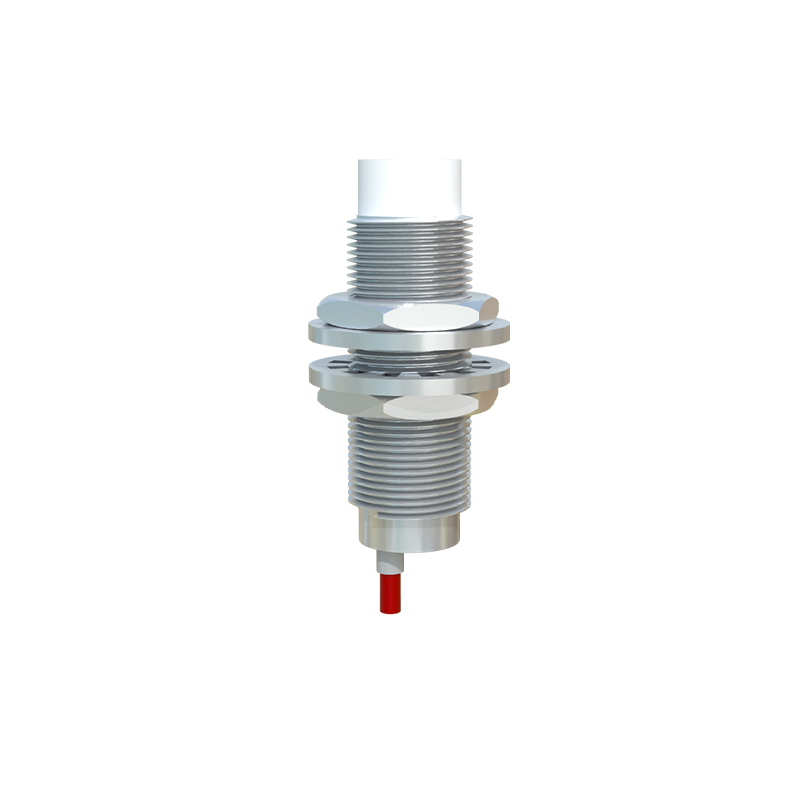
Capacitive proximity sensors, on the other hand, excel in detecting non-metallic materials such as plastics, liquids, or granular substances. Manufacturers like Pepperl+Fuchs and Balluff have developed models with adjustable sensitivity, allowing them to sense through certain barriers—a useful feature for level detection in tanks or material handling. Key recommendations include looking for models with temperature compensation and built-in overload protection. For example, the Balluff BCS series offers reliable performance in humid or dusty conditions, common in food processing or pharmaceutical industries.
Ultrasonic sensors provide versatile long-range detection capabilities, unaffected by color or transparency of objects. Brands like SICK and Banner Engineering are renowned for their precise measurement and consistency. These sensors are frequently employed in parking assistance systems, object counting, and distance monitoring. When choosing an ultrasonic sensor, evaluate parameters like beam angle, response time, and whether analog or digital outputs are needed. The SICK UM30 series, with its compact design and high immunity to acoustic noise, is a popular choice for complex logistical applications.
For applications requiring precise position detection of small components, magnetic proximity sensors (often reed or Hall-effect types) are highly recommended. Companies like Honeywell and Turck produce sensors that respond to magnetic fields, making them perfect for cylinder position sensing in pneumatic systems or safety door monitoring. Key features to prioritize include switching hysteresis and resistance to vibration. The Turck QM30 series, with its rugged thermoplastic housing, ensures longevity even in high-vibration industrial settings.
Photoelectric sensors, though sometimes categorized separately, are worth mentioning for their role in proximity detection via light beams. They are excellent for detecting transparent or reflective objects over longer distances. Omron’s E3Z series and Keyence’s FU series offer advanced models with background suppression technology, minimizing false triggers. These sensors are widely used in packaging, electronics assembly, and automotive painting lines.
When selecting a proximity sensor, always assess the operating environment—temperature extremes, exposure to chemicals, or potential mechanical shocks. Additionally, verify compatibility with the control system (PLC, relay) and consider ease of installation and maintenance. Many leading suppliers provide detailed datasheets, configuration software, and technical support to streamline integration.
In conclusion, investing in high-quality proximity sensors from reputable manufacturers not only enhances system reliability but also reduces downtime and maintenance costs. By understanding the specific requirements of your application—material composition, required sensing distance, environmental conditions, and output needs—you can select the optimal sensor to drive productivity and innovation in your operations. Regular consultation with supplier catalogs and industry benchmarks is advised to stay updated on the latest technological advancements.