Introduction to Photoelectric Sensors
Photoelectric sensors are essential components in modern industrial automation, used for detecting objects, distances, and material presence without physical contact. These sensors operate by emitting a beam of light, typically from a LED or laser diode, and analyzing the reflected or interrupted signal. A critical concept in their operation is the distinction between light and dark channels, which directly influences sensor reliability and application suitability.
What Are Light and Dark Channels?
In photoelectric sensors, the light channel refers to the path of the emitted light beam from the source to the receiver. The dark channel, conversely, represents the condition when the light beam is blocked or interrupted by an object. These two states define the sensor's logic output: in a light-on mode, the sensor activates when the light beam reaches the receiver; in a dark-on mode, activation occurs when the beam is blocked. This binary operation, while simple, requires careful calibration to avoid false triggers in environments with ambient light or reflective surfaces.
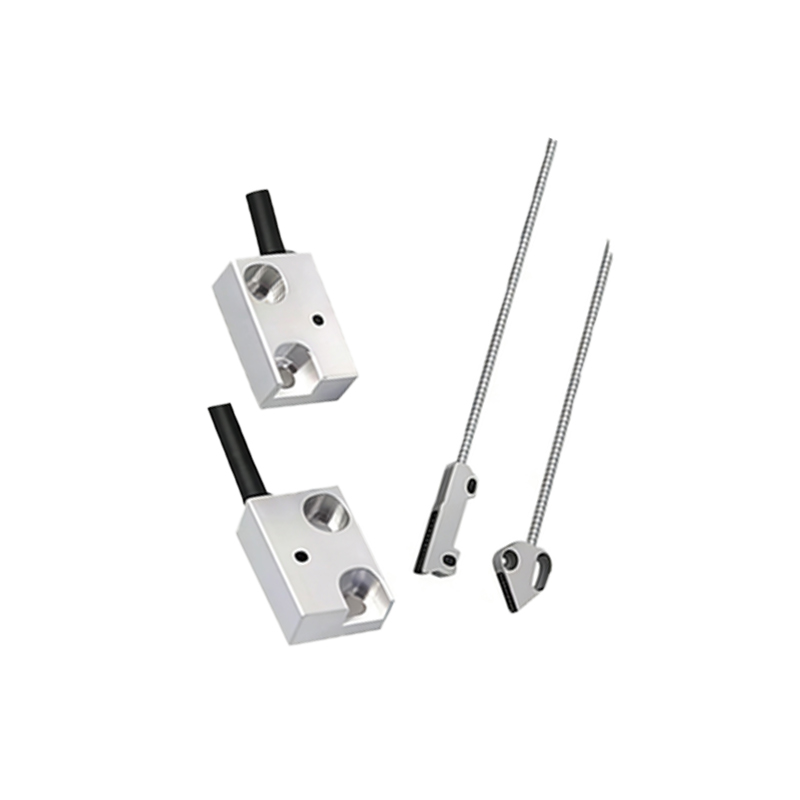
Key Working Principles
The sensor's emitter produces a modulated light signal to distinguish it from ambient light. When an object enters the light channel, it either reflects the beam (in diffuse sensors) or blocks it (in through-beam and retro-reflective types). The receiver detects changes in light intensity, comparing it to a threshold. For dark channel applications, the sensor must filter out noise from stray reflections or vibrations. Engineers often adjust sensitivity and hysteresis to optimize performance in dusty or high-glare conditions.
Industrial Applications and Benefits
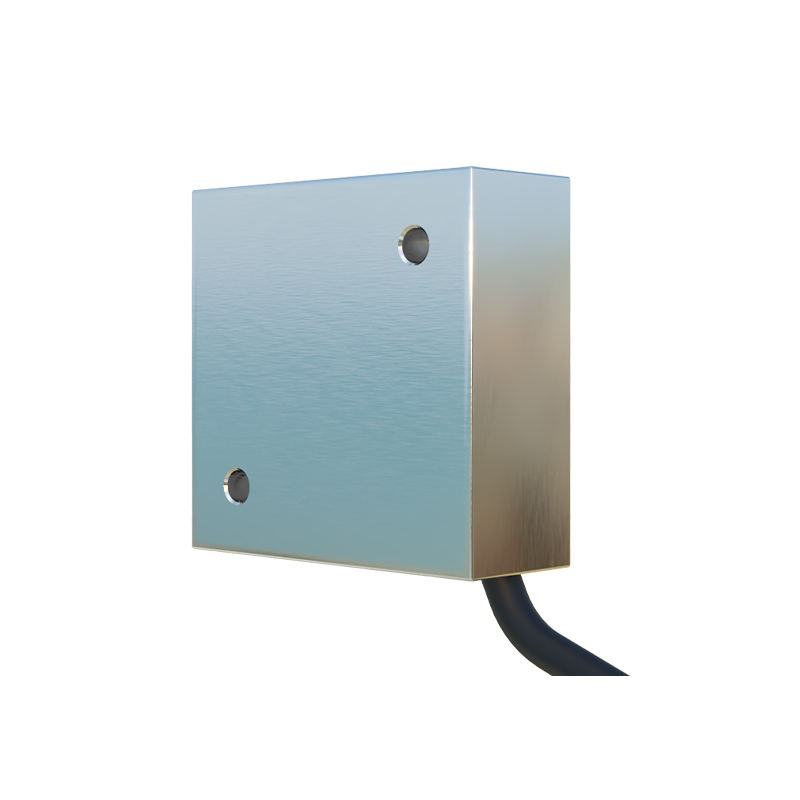
Light and dark channels are leveraged across various industries. For example, in packaging lines, through-beam sensors use the dark channel to detect transparent objects like glass bottles, where light passes through but is partially blocked. In logistics, retro-reflective sensors employ the light channel to sense shiny metal surfaces without false signals. Benefits include high-speed detection, non-contact operation, and minimal wear, making them ideal for harsh environments like automotive assembly or food processing.
Design Considerations for Engineers
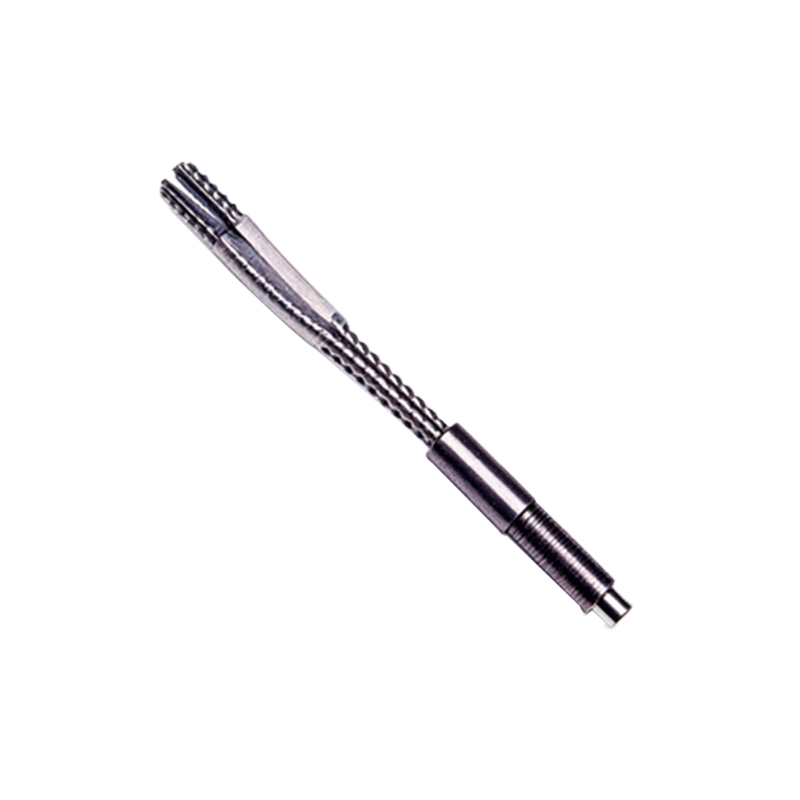
When selecting photoelectric sensors, engineers must evaluate factors such as sensing range, beam type (visible red, infrared, or laser), and output configuration (PNP/NPN). For light channel setups, ensure the emitter and receiver are aligned within 5 degrees to prevent mis-detection. For dark channel scenarios, use sensors with built-in ambient light suppression, especially in outdoor or variable lighting. Additionally, choose a housing with IP67 rating for washdown areas and consider response time below 1 ms for high-speed lines.
Troubleshooting Common Issues
Common problems include false triggers due to dust accumulation on lenses or conflicting light sources. Regular cleaning with anti-static cloths and using modulated light reduces interference. If the dark channel fails to detect objects, check for alignment shifts or reflective backgrounds. For light channel drift, recalibrate the sensitivity pot or switch to a laser-based sensor for longer ranges. Always log performance data to predict failures in preventive maintenance schedules.